Can a New Credit Rating Agency Help Africans Borrow at Better Rates?
The African Union is challenging the big three rating agencies’ approach to assessing African borrowing risk.
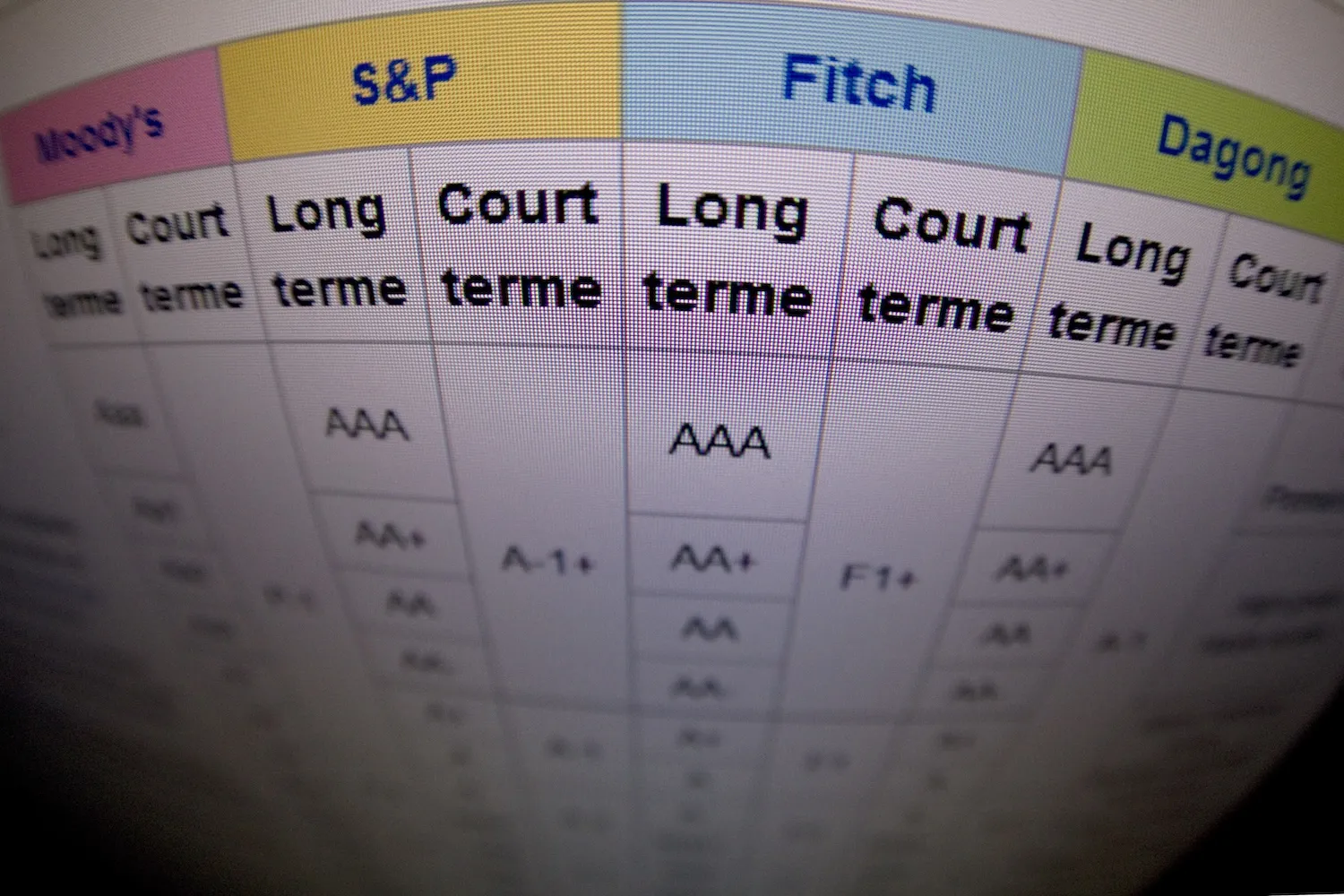
The African Union (AU) has launched its new credit rating agency, the Africa Credit Rating Agency (AfCRA), on October 7, aiming to address the issue of excessive borrowing costs for African states and institutions. This move follows a broader trend of African nations striving for greater self-sufficiency on the global stage. However, the effectiveness of AfCRA remains a subject of debate among experts.
Currently, the “big three” Western credit rating agencies—Moody’s, Standard & Poor’s (S&P), and Fitch—dominate the credit rating landscape, shaping borrowing costs for over 95 percent of the world's rated debt. These agencies began providing credit ratings to African sovereigns in 1994, with the United Nations Development Program (UNDP) partnering with S&P to offer ratings to 13 African countries in 2003.
While the introduction of Western CRAs has improved Africa's access to global financing and opened the door to the Eurobond market, 21 African countries have issued Eurobonds since 1997, totaling more than $150 billion in financing. Nevertheless, the majority of African countries and corporations have consistently received poor ratings, leading to excessively expensive borrowing costs.
According to a UNDP report, external credit ratings have resulted in a loss of $75 billion annually for Africa due to inaccessible lending policies and disproportionate interest payments. Moreover, in 2024, nearly half of all global sovereign credit downgrades occurred in Africa, with 56 percent of rated African nations experiencing downgrades during the COVID-19 pandemic, compared to the global average of 31.8 percent.
African policymakers argue that the “big three” agencies fail to understand the continent's economic, political, and institutional realities, leading to misidentification of risks and forcing Africans to pay higher interest rates on debt than those with similar profiles outside the continent—known as the "Africa premium." The AU remains committed to the launch of AfCRA, despite differing views on its efficacy.
Written by urgent.news from Foreign Policy's reporting — not their text. Machine-written — may contain errors; check the original before relying on it.