Brain replays motor skills during sleep without help from the memory center
During sleep, the brain replays the day's events to lock in memories. A new study reveals that the brain networks governing physical habits can run these offline rehearsals entirely on their own, challenging classic theories of memory.
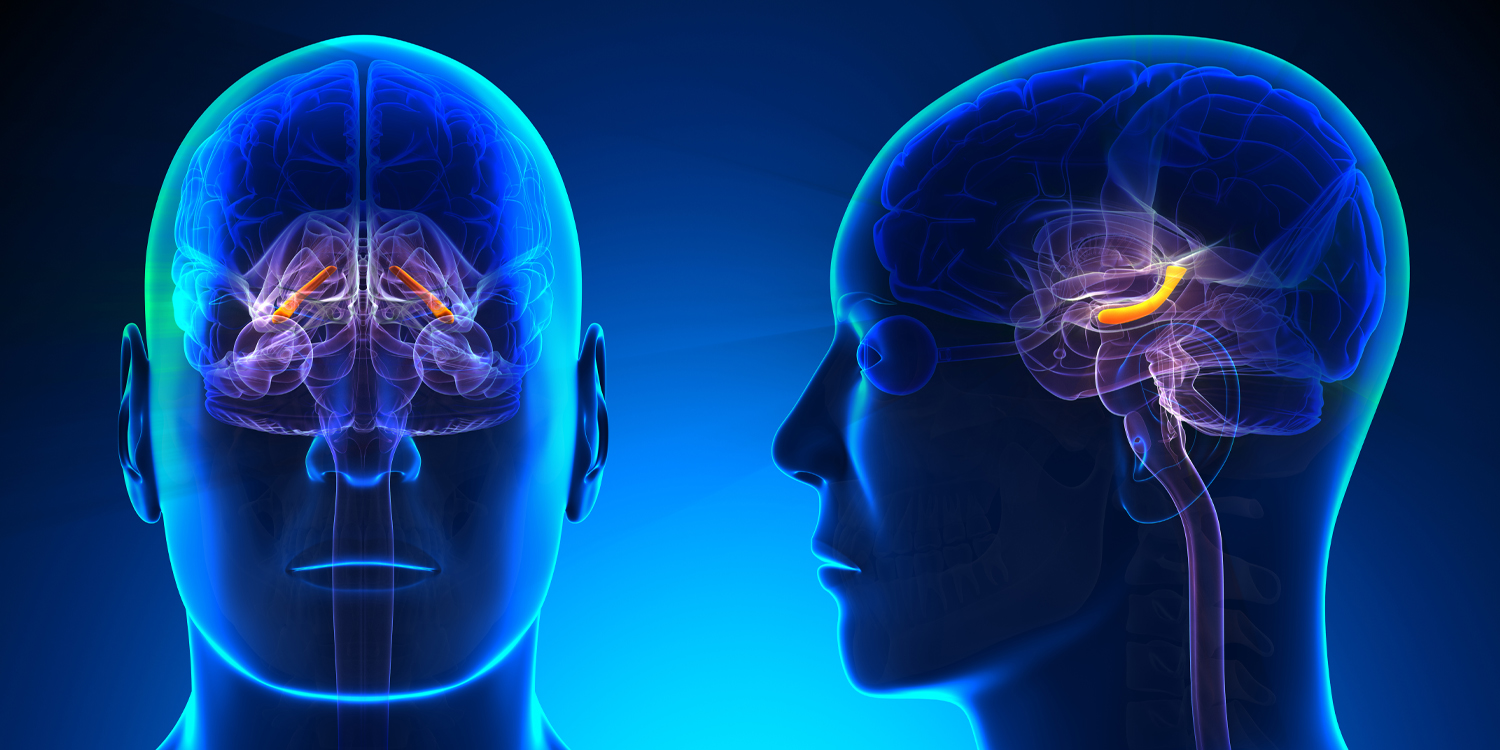
A new study in mice reveals that the brain can independently generate sleep replays of motor skills and habits without the help of the hippocampus, a region previously thought to be central in this process. The findings, published in Nature Neuroscience, suggest that different memory systems within the brain can function and reinforce themselves separately.
Researchers at University College London designed a physical task for mice to learn a sequence of five ports to receive a water reward. They then disabled the dorsolateral striatum, a brain area involved in coordinating movement and processing rewards, to determine if the hippocampus was essential for learning. Mice with a disabled dorsolateral striatum failed to learn the sequence from memory and performed poorly on the task the next day.
Blocking chemical receptors for neural plasticity in the dorsal striatum during sleep also hindered the mice's performance the following day. However, when the team implanted high-density electrodes to monitor individual brain cells in the dorsal striatum during sleep, they discovered that the exact neural sequences reactivated, known as replay.
This offline replay occurred at normal speeds, often in compressed time, and prioritized task-related sequences, including those associated with rewards. The study confirmed that the hippocampus is not required to learn or perform this specific motor skill, as mice without a hippocampus still learned the five-step sequence with the same speed and accuracy.
While these results show that procedural memory replay can occur independently of the hippocampus, the researchers emphasize that this does not imply the hippocampus is universally uninvolved in motor learning. Future studies will need to confirm these findings in humans and identify the triggers for this independent replay in the striatum.
Written by urgent.news from PsyPost's reporting — not their text. Machine-written — may contain errors; check the original before relying on it.