Black holes could have planets, new simulations suggest
New simulations by 2 astrophysicists suggest that supermassive black holes could have planets orbiting them, much like planets orbit stars. The post Black holes could have planets, new simulations suggest first appeared on EarthSky .
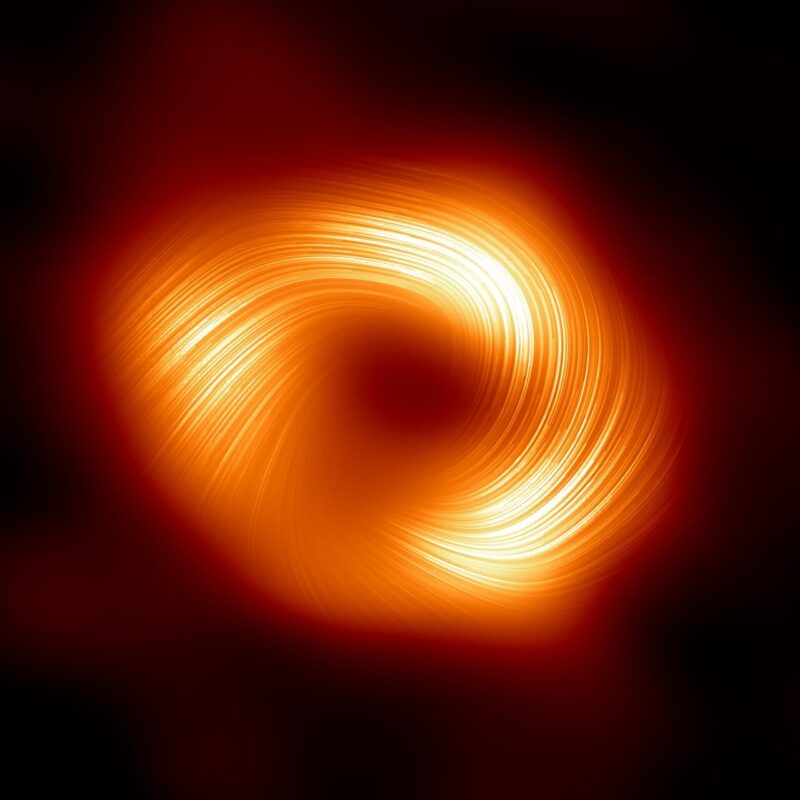
New simulations suggest that supermassive black holes could have planets orbiting them, according to research published in The Astrophysical Journal on June 29, 2026. Astrophysicists Bhupendra Mishra and Wladimir Lyra presented the findings on a SETI livestream on September 21, 2026. They propose that massive planets could form in the dusty outer regions around these black holes, much like planets form around stars.
The process involves dust grains accumulating into dense concentrations through streaming instability, forming baby planets that could grow beyond the planet stage and become brown dwarfs, or even true stars. These black hole planets might face a grim fate, however, as gravity from the black hole could pull some of them inward, causing them to disintegrate and create more dust.
Despite the challenges in detecting these planets, the researchers estimate that a single active episode of an active galactic nucleus could spawn millions of planets, with the possibility of this process happening many times throughout a black hole's lifetime.
Written by urgent.news from EarthSky's reporting — not their text. Machine-written — may contain errors; check the original before relying on it.