Bit by bit, the Taliban is losing control of Afghanistan
Five years after seizing Kabul, the Taliban’s strongest argument for international acceptance rests on control. The Taliban governs every provincial capital and faces no conventional army capable of marching on Kabul. It repeatedly cites improved security as proof that Afghanistan’s post-2021 order is settled. But armed resistance is becoming more geographically dispersed, more organizationally…
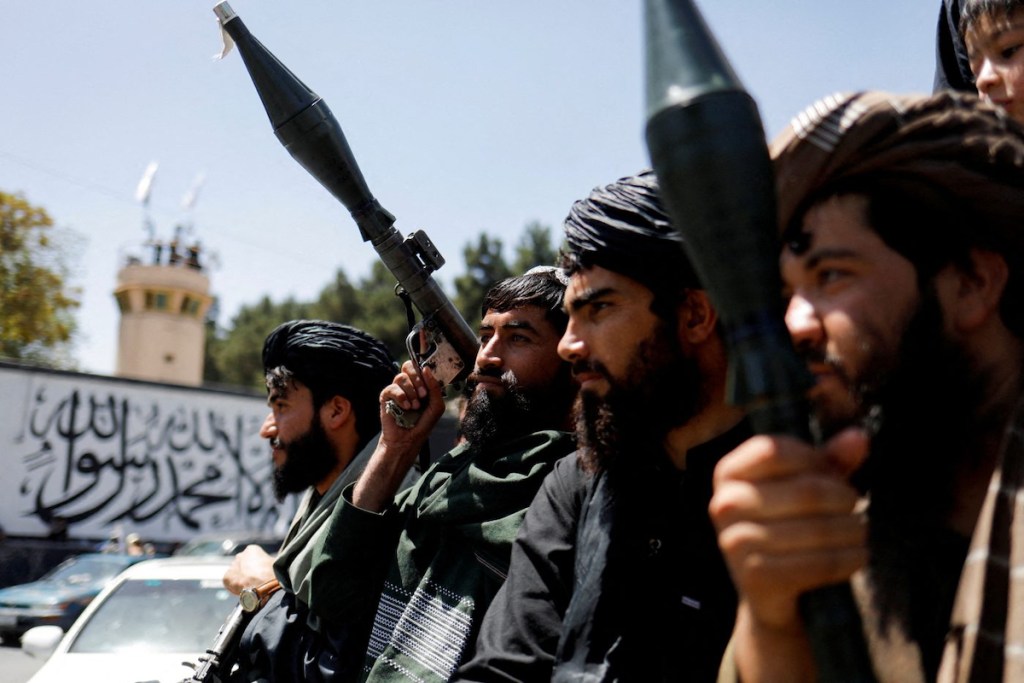
Dr. Nigar Nangrahari, an obstetrician-gynecologist, vividly recalls the U.S.-led invasion of Afghanistan 25 years ago. The invasion, aimed at dismantling al-Qaida, brought about significant changes in Afghanistan's landscape. Nangrahari witnessed residents taking revenge on Taliban members and the restoration of freedoms for many, but also saw the Taliban's harsh rule which saw the oppression of women and the eradication of public life for them.
Afghanistan, a deeply conservative Muslim society, underwent a significant transformation with the U.S. presence. While there were improvements in women's education and employment opportunities, the country also suffered from pervasive corruption and military tactics that bred resentment. The return of the Taliban, now 25 years after the invasion, has reinstated many draconian restrictions, particularly on women and girls.
Despite security improvements, the loss of personal freedoms, especially for women, has been a significant setback for many. The future remains uncertain, with women worrying about the impact on their education and participation in governance, which they view as crucial for Afghanistan's future.
Rewritten by urgent.news; may contain errors — check the original.
Sources: asiatimes.com · toronto.citynews.ca