Bersama’s budget proposal is a breath of fresh air
The Rafizi Ramli-led party has the economic agenda for GE16 with a bold new social contract, which is the economic new deal Malaysia needs to face the next 10 years.
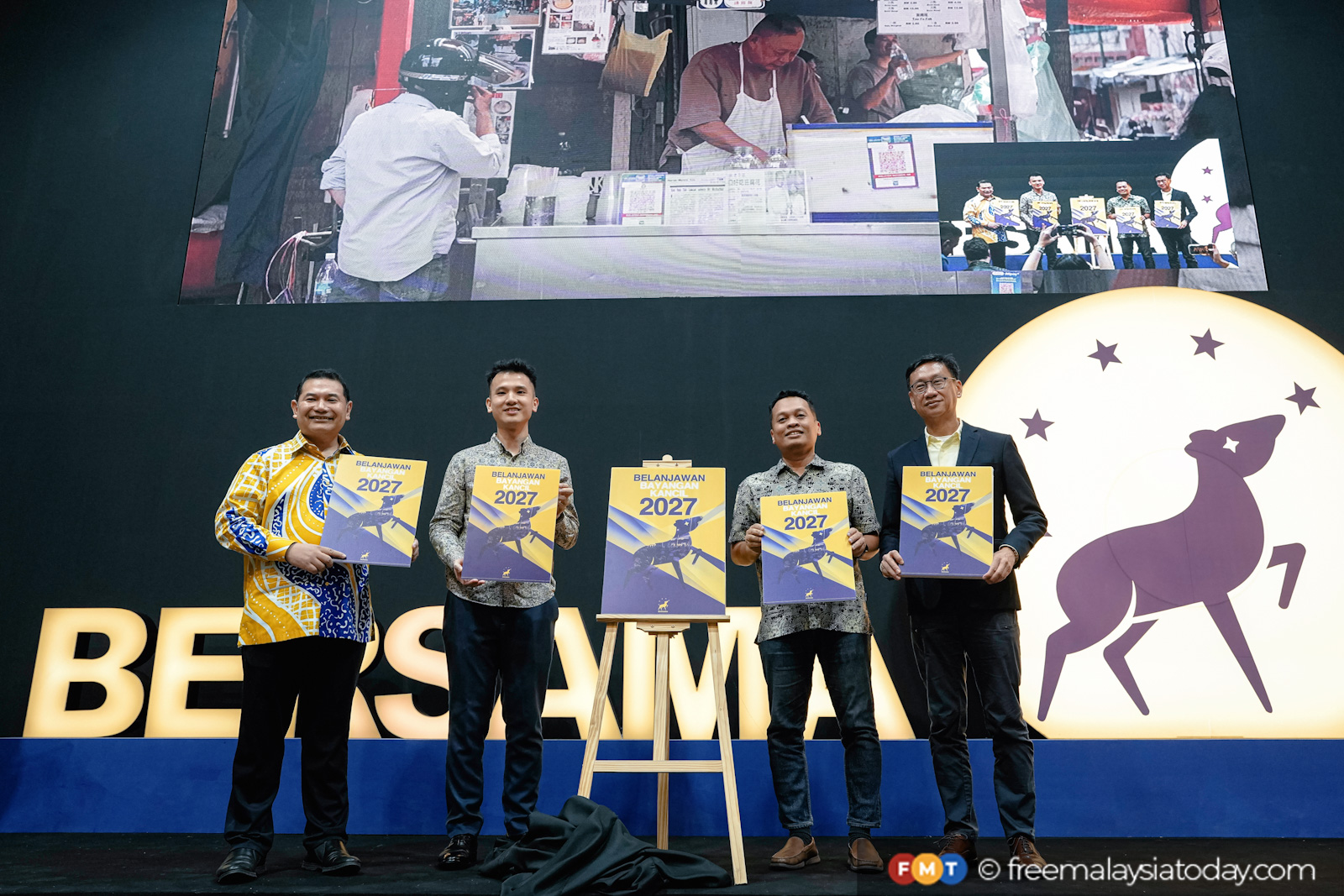
Bersama's 2027 budget proposal offers a fresh perspective on fiscal responsibility and social justice. Former economy minister Rafizi Ramli and the group's economics lead, Sum Dek Joe, outline a 10-year plan for a balanced budget and a "generational new deal." The proposal projects a 5.2% GDP growth in 2026, with a fiscal deficit of 3.5% of GDP and federal debt at 64.9% of GDP, with expectations of growth to 4.0-5.0% for the following year.
Key goals include reducing the fiscal deficit to 1.8% and federal debt to 56.4% of GDP by 2031, and achieving a surplus by 2035.
Bersama seeks to address structural financial issues by reducing the fiscal deficit and federal debt. To broaden the tax base, the group proposes replacing the Sales and Services Tax (SST) with a 5% Goods and Services Tax (GST), while the most innovative idea is the Retail Electronic Payment Tax (REPT), a 0.5% levy on digital transactions starting in 2030. This plan could generate RM9.1 billion annually from an estimated RM1.82 trillion digital economy.
Incorporating tax-earmarking, Bersama ensures that specific revenues are dedicated to vital public needs, such as allocating 100% of RM3 billion tobacco excise duties directly to public health. The proposal replaces wasteful bulk fuel subsidies with institutionalized social safety nets, saving RM19.9 billion annually, which is then redistributed to families.
Other proposals include a universal child allowance of RM50 per month for children under 18, benefiting 8.3 million children, and a universal cost of living allowance of RM200 per month for B60 households.
To guarantee sustainability, Bersama introduces structural checks, including an independent public finance commission (PFC) to serve as a constitutional fiscal watchdog. The PFC will independently verify budget assumptions, scrutinize mega-procurements, and evaluate electoral manifestos. Additionally, Bersama scales up Rafizi's progressive wage policy (PWP) to RM1.8 billion, covering 2.5 million low-to-mid wage workers, and aims to establish a universal basic income (UBI) system.
The main strength of Bersama's proposals lies in their net financial impact, disproving the notion that cutting fuel subsidies hurts ordinary people by providing concrete evidence of the benefits to different income groups.
Written by urgent.news from Free Malaysia Today's reporting — not their text. Machine-written — may contain errors; check the original before relying on it.
This story
This is one outlet's version. Read the fullest account.
- Bersama’s budget proposal is a breath of fresh air freemalaysiatoday.com