Badenoch puts Tories on difficult path to the right destination
Party conference season has come to an end, having barely registered for most voters beyond an extra dose of politics on the news and in their feeds. Party leaders always have to balance two audiences: their supporters in the hall and the sceptics at home. As a new Prime Minister, Andy Burnham’s conference speech was [...]
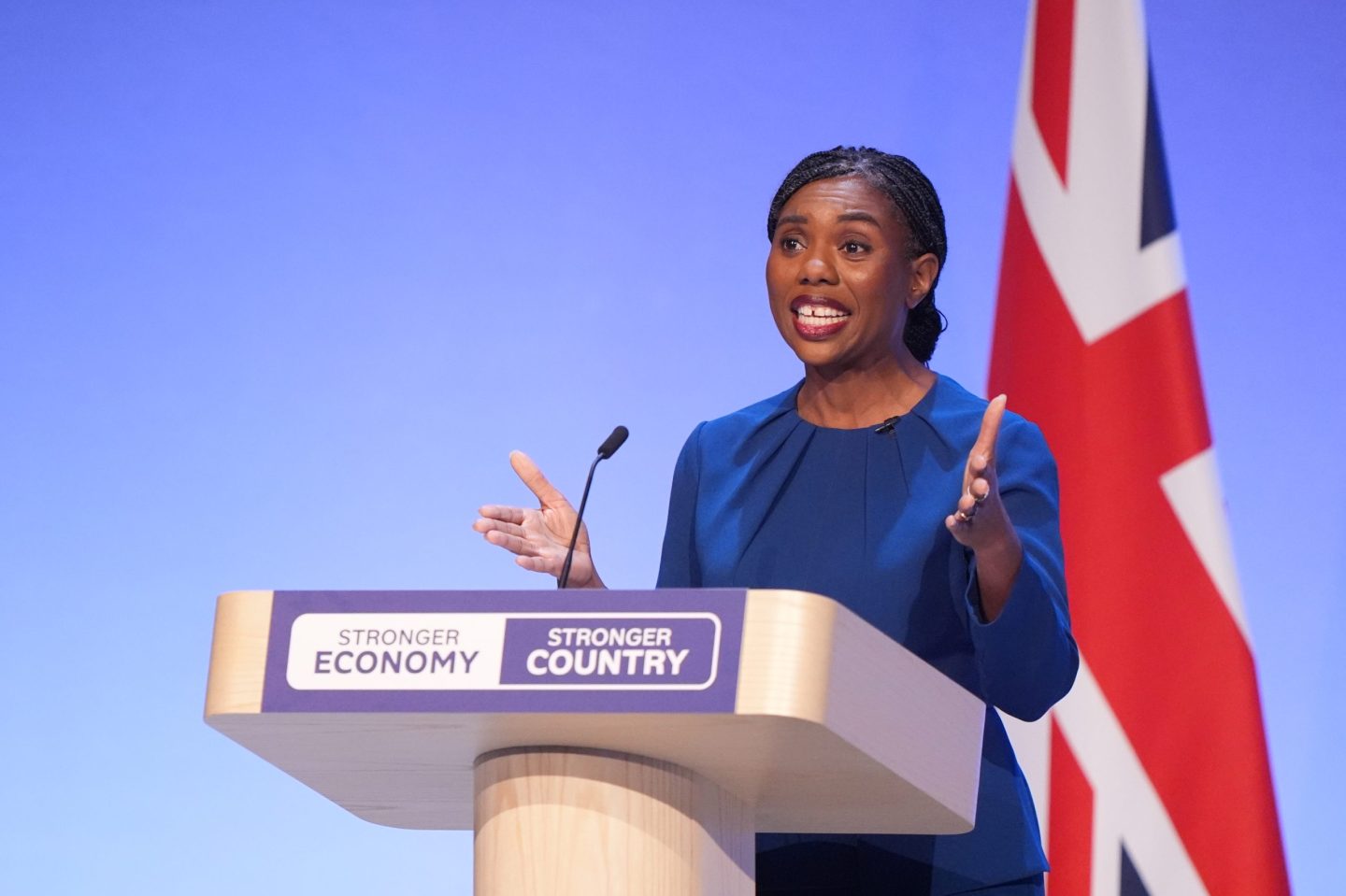
The end of party conference season has largely gone unnoticed by voters, save for a surge in political chatter. Party leaders, Andy Burnham of the Labour Party and Kemi Badenoch of the Conservatives, face the challenge of appealing to both their supporters and the electorate at large. Burnham's speech at the Labour conference was a fervent defense of his vision for socialism, while Badenoch capitalized on her conference to outline her more traditional Conservative policies.
The two leaders painted starkly contrasting images of their respective parties. Burnham advocated for state ownership of utilities and higher taxes, while Badenoch championed reducing the tax burden and opposing inheritance tax on homes. Despite inheriting a tax many find unjust, Badenoch believes her policies encapsulate the public's desires. Both leaders, however, maintain that their policies resonate with what the nation wants.
Burnham believes the state should shoulder more responsibility for people's well-being, providing essentials like water, rail, energy, and housing. In contrast, Badenoch views the state as an obstacle to economic progress, arguing it incurs undue costs. For the Conservatives, Badenoch's proposal of eliminating stamp duty, mansion tax, and inheritance tax on family homes could be a game-changer – a radical shift akin to nationalising utilities.
The core of the Tory ideology hinges on this inheritance tax reform, a move the party believes is deeply unpopular with the public. However, implementing such reforms will necessitate a robust economic recovery coupled with significant cuts to public spending. Badenoch highlights the welfare budget as a potential target for austerity, though excludes the state pension's "triple lock."
Opponents may argue the inconsistency of such an approach, but the onus remains on Badenoch to convince the public, experts, and markets that her ambitious agenda is achievable.
Written by urgent.news from City AM's reporting — not their text. Machine-written — may contain errors; check the original before relying on it.