Australia’s new eco police flexes muscles with major wildlife trafficking bust
Australian authorities have disrupted an alleged wildlife trafficking syndicate, uncovering a clandestine operation where smuggled native animals were hoarded alongside caches of cash and gold, reports contributor Johan Augustin for Mongabay. The operation reportedly seized 28 native and a few exotic species alongside approximately A$300,000 (nearly $210,000) in cash, gold, and silver bullion on…
Australian authorities have dismantled a suspected wildlife trafficking ring, seizing 28 native and a few exotic animals, along with around A$300,000 in cash, gold, and silver bullion on July 16, according to Mongabay contributor Johan Augustin. This marks the first major wildlife crime investigation conducted by the new National Environmental Protection Agency (National EPA), Australia's first independent federal environmental regulator, which came into existence on July 1.
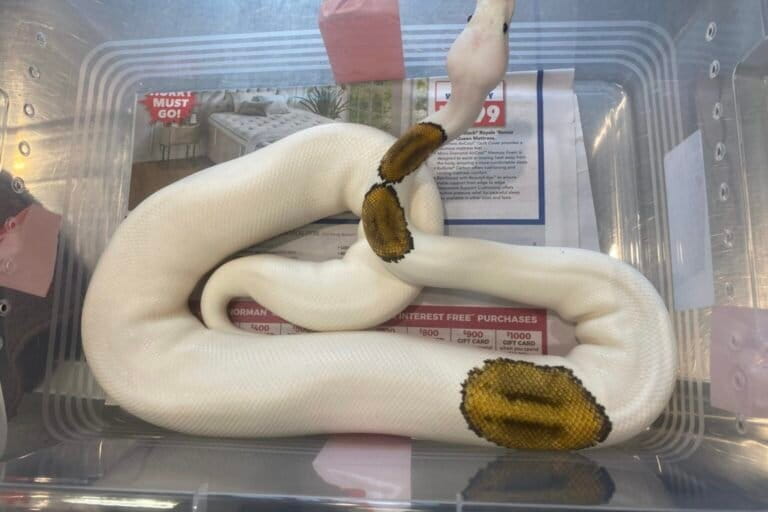
The captured animals included 28 native Australian reptiles, such as shingleback lizards, spiny-tailed skinks, and lace monitors, along with nonnative species like a North American hognose snake and a ball python. Prosecutors allege that the native species were being supplied to foreigners for illegal export. Dani Yannopoulos, head of the National EPA's environmental permitting and compliance division, stated in a media release published on August 22 that illegal trade of Australia's native wildlife is a serious crime and that Australia's native wildlife is precious.
Under Australian federal environmental law, exporting native animals or eggs without a permit can lead to up to 10 years in prison and fines of up to A$364,000 ($253,000). Despite the severe penalties, illegal wildlife trade remains lucrative.
Written by urgent.news from Mongabay's reporting — not their text. Machine-written — may contain errors; check the original before relying on it.