At 94, Indian Air Force is looking beyond fighter jets: What comes next
The Indian Air Force marked its 94th anniversary, emphasizing its growth since 1932. Air Chief highlighted the significance of training and readiness, as showcased in various exercises this year. Technologies such as artificial intelligence and autonomous systems are shaping modern warfare and enhancing decision-making. The IAF's self-reliance strategy promotes development of indigenous aircraft…
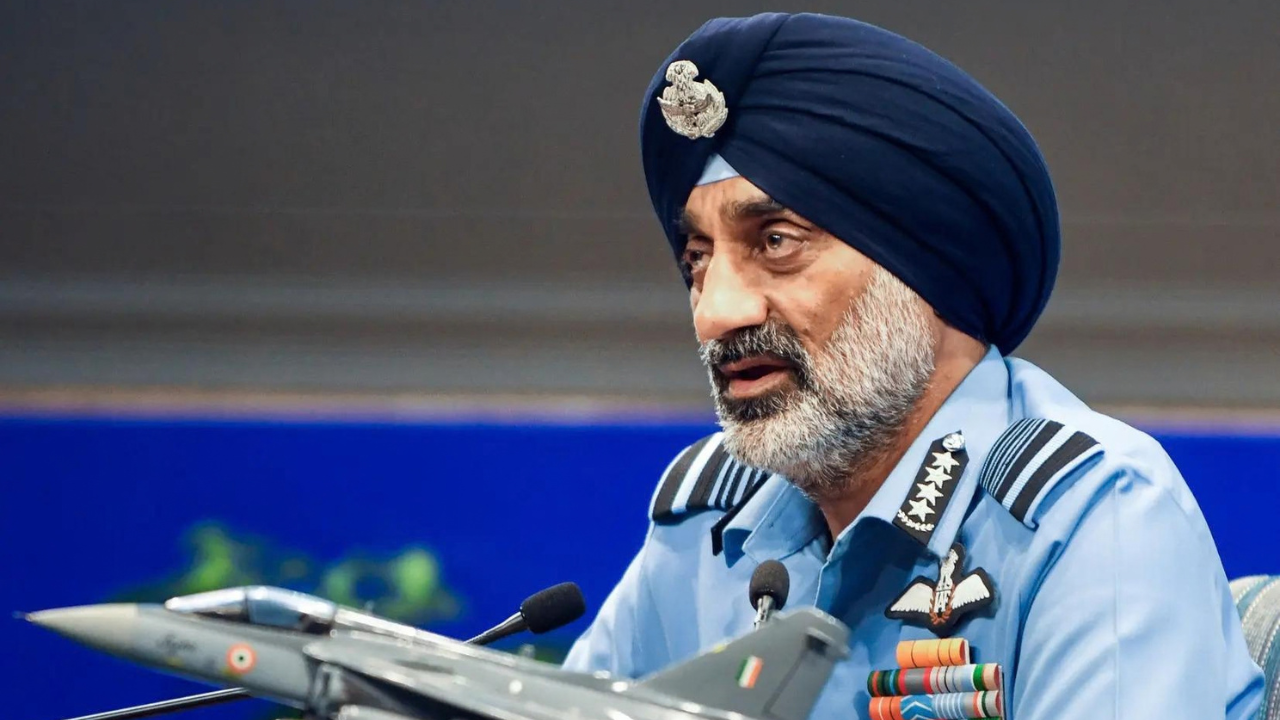
On Thursday, the Indian Air Force celebrated its 94th anniversary under the leadership of the Air Chief, who reflected on the force's journey, the lessons from Operation Sindoor, and future technologies that will shape its capabilities. The IAF, described by the Air Chief as one of the most capable and professional air forces globally, draws its strength from its airmen and airwomen, not just modern aircraft.
The force has evolved from four aircraft in 1932 to a network-centric, multi-domain force. The Air Chief honored veterans and those who made the ultimate sacrifice, emphasizing their foundational role in shaping today's IAF. Operation Sindoor, a recent conflict, showcased the Air Force's speed, precision, and operational capability, with effective strike capabilities and air defense operations.
The Air Chief stressed that modern warfare success hinges on quick decision-making, accurate actions, and joint military coordination, rather than just weapons. The IAF's motto of perfection, invulnerability, and precision reflects its readiness and resolve. Training remains the cornerstone of readiness, with the principle of "we train as we fight" ensuring aircrew and ground crew prepare to the standard of real missions.
This year, preparation included Exercise Vayu Shakti, Droneathon, and the multinational air exercise Tarang Shakti, aimed at testing capabilities and accelerating the induction of new technology. Technology is transforming warfare, with AI, autonomy, and digital innovation playing more significant roles. AI assists in data analysis for better commander decisions, while autonomous systems are developed with human control intact.
The aim is to achieve a technology-driven yet human-centric force. Self-reliance remains the top priority, with the IAF having developed aircraft like the Tejas and helicopters like Dhruv and Prachand, along with missiles like Astra and Akash, and space systems through collaborations with ISRO and other domestic space agencies. The IAF is actively involved in domestic and international disaster relief, highlighting its growing coordination with the Army and Navy through joint planning and integrated operations.
Written by urgent.news from Times of India's reporting — not their text. Machine-written — may contain errors; check the original before relying on it.