Ashanti Region records 561 breast cancer cases in 2024; health authorities push early detection
Regional health data show that 234 cases were recorded in 2022, rising to 292 in 2023 before reaching 561 in 2024. The figure subsequently fell to 351 cases in 2025.
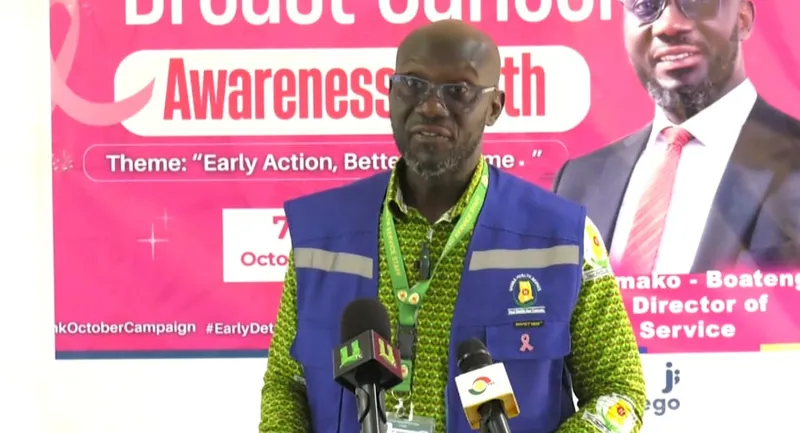
In 2024, the Ashanti Region in Ghana recorded 561 cases of breast cancer, a significant increase from the 292 cases reported in 2023 and nearly double the 234 cases from 2022. This surge in breast cancer cases has prompted health authorities to emphasize the importance of early detection and timely treatment. Despite potential improvements in detection and reporting, the Ashanti Regional Health Directorate maintains that these figures highlight the necessity for ongoing investment in preventing, diagnosing, and treating breast cancer.
Dr Fred Adomako-Boateng, the Ashanti Regional Director of Health Services, launched the breast cancer month and expressed concern that more than 80% of breast cancer cases in Ghana are diagnosed in advanced stages. He urged women to become familiar with warning signs such as lumps, changes in breast size or shape, skin dimpling, and unusual nipple discharge.
However, Dr Adomako-Boateng cautioned against self-diagnosis, stressing that only a professional medical assessment can accurately determine if a lump is cancerous or benign.
The Ghana Health Service is urging women to engage in regular self-breast examinations, clinical breast exams, and mammography screening from age 40. They also recommend maintaining a healthy lifestyle and promptly reporting any changes to a healthcare professional. Dr Adomako-Boateng called on the media to play a crucial role in educating the public, dispelling myths and stigma surrounding breast cancer, and encouraging prompt medical attention.
Nationwide, breast cancer accounts for 31.4% of all female cancers in Ghana, with the disease responsible for 41.2% of female cancer-related deaths. The Ashanti Regional Health Directorate is actively implementing the Beat Breast Cancer project, a collaborative effort with support from the Ghana Health Service Headquarters, the NCD team, JHPIEGO, and the Pfizer Foundation. This initiative aims to enhance professional capacity, community awareness, and access to breast health services in the region.
Rewritten by urgent.news; may contain errors — check the original.
Source: 3news.com