Anne Carson’s Seductive Strangeness
The winner of this year’s Nobel Prize in Literature makes ancient texts feel tantalizingly new.
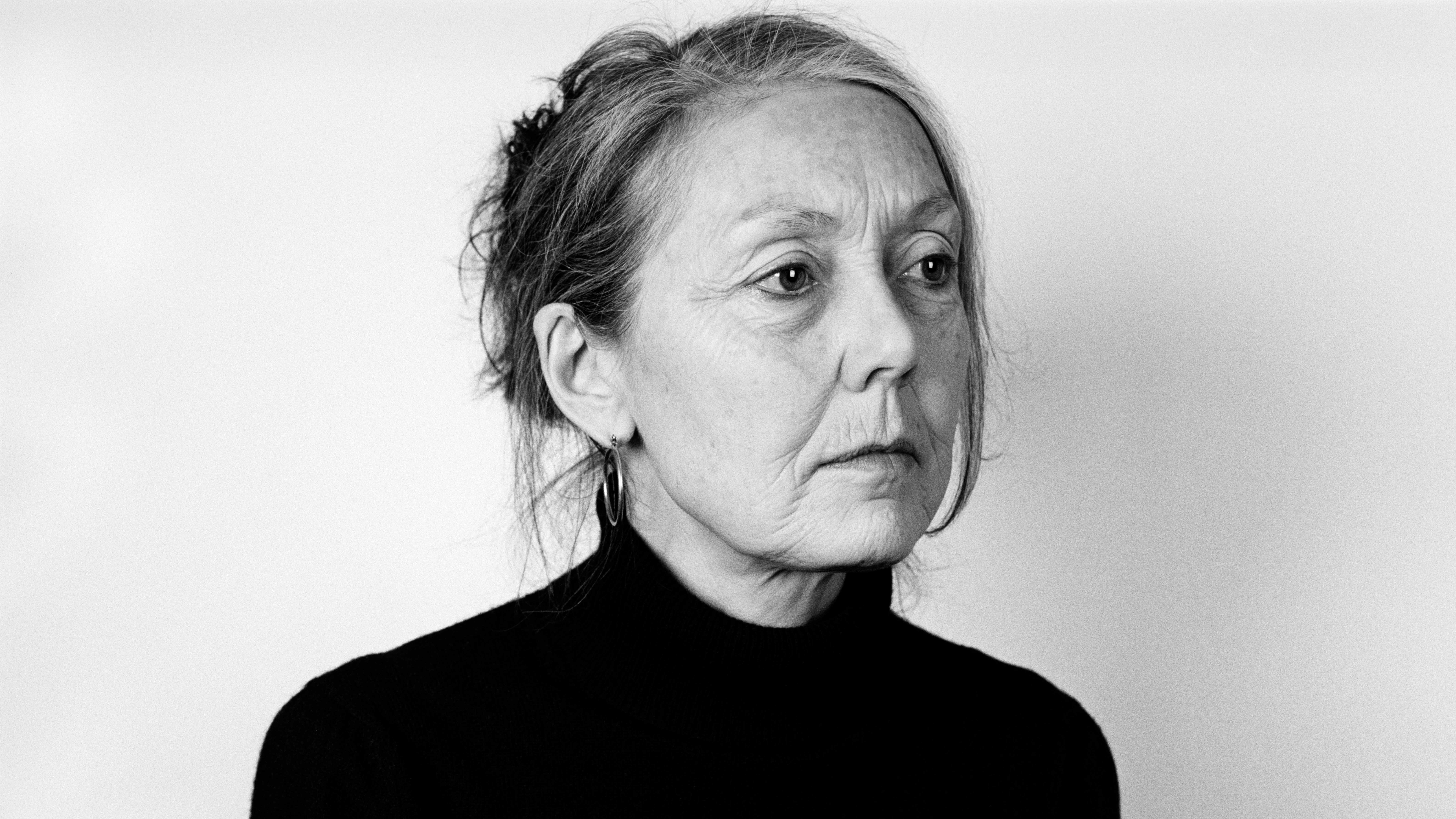
Anne Carson, the recipient of the 2026 Nobel Prize in Literature, is not a masterful wordsmith or a purveyor of lengthy literary works. She eschews the emulation of great works, including those of past laureates, despite her background as a classicist and a skilled translator. Carson’s true calling lies in her role as a poet, albeit one who, at her core, is an archaeological figure, meticulously examining the cultural remnants of our time to reveal their inherent beauty.
She harnesses fragments as the building blocks for her poetry, drawing inspiration from luminaries such as Sappho, Samuel Beckett, Franz Kafka, Michelangelo Antonioni, and Simone Weil. These influences often imbue her work with an air of experimental rigor that, upon closer examination, transforms into a delightful and engaging experience.
While you may not be familiar with figures like Heloïse and Abelard, Carson’s rendition of their contentious argument in a hotel room during her 2005 "spoken-word opera," Decreation, is guaranteed to captivate you. The pervasive "twee-punk 'don't give a damn' attitude" runs through Carson’s reinterpretation of ancient texts, as she embraces creative fantasy over adhering to tradition and literal interpretation.
This approach yields a surprisingly low barrier to entry for her poetry—especially considering the occasional presence of footnotes in her books. Carson earned her Ph.D. in classics from the University of Toronto, her birthplace, where she authored a reimagining of obscure Greek mythology entitled Autobiography of Red in 1998. Some of her poetry diverges from traditional poetry, blending elements of essays, screenplays, and even oratorios.
Her 2010 elegy for her brother, Nox, arrives packaged in an accordion-like box, symbolizing her fluid approach to literary forms. Carson’s classical affinity does not tame the raw, strange essence of her work; rather, it accentuates the astonishing strangeness of putting words on a page, aiming to capture the human condition. The key to Carson’s enduring relevance lies in Sappho’s enduring allure—a poet who left behind only fragments of her work, primarily centered around themes of love and longing.
Carson’s approach to Sappho’s poetry defies the typical expectation of finding direct relevance in the past. Instead, she uncovers subtle similarities embedded in profound otherness. This perspective encapsulates the very essence of poetry—a medium adept at interweaving the familiar with the novel. Carson’s ability to intertwine abstract thought with concrete emotion and make it relatable to the audience is what sets her apart as one of the most accomplished poets of her generation.
Her poetry invites us to traverse the chasm of time, immersing ourselves in a romance between Geryon, a winged monster, and Herakles that defies conventional expectations. Despite the fragility of their source material—an ancient fragment featuring a tale of love between a monster and a god—Carson creates a narrative where love transcends the ordinary, revealing itself to be both alien and deeply recognizable.
It is Carson’s playfulness, humor, curiosity, and tenderness that turn her poetry into a potent antidote to the cold and coarse nature of contemporary society, while also addressing the apprehension of modern audiences about the preservation of classics in an ever-evolving world. At the heart of Carson’s work is her extraordinary capacity to transform abstract concepts into tangible emotions, enabling readers to experience these feelings firsthand.
As the young Geryon grapples with the notion of distance, Carson poetically reflects, “It extends from a spaceless within to the edge of what can be loved.” Whether contemplating the separation from a loved one, gazing down a path, or pondering the vast expanse between the present and the past, Carson’s words resonate deeply, offering a profound understanding that transcends the confines of time and culture.
Written by urgent.news from The Atlantic's reporting — not their text. Machine-written — may contain errors; check the original before relying on it.