An experimental tour-de-force: Entanglement between glass bead and light
Getting a glass bead to act like a quantum object by entangling it with light.
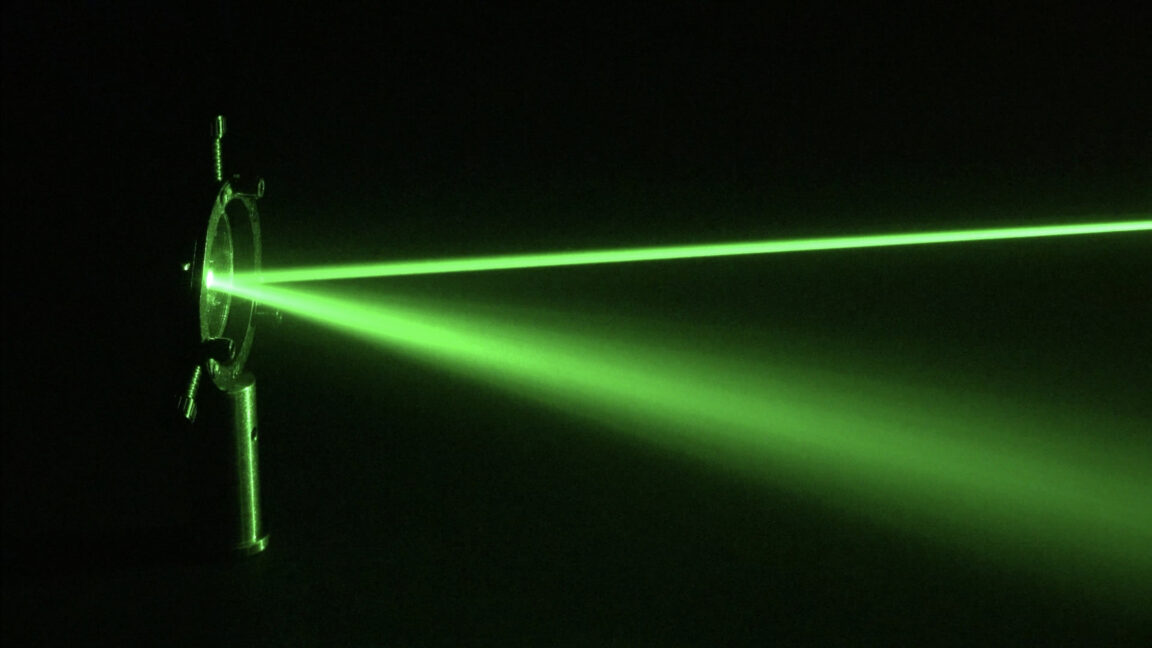
Quantum entanglement, a perplexing phenomenon, is often described as mysterious, ghostly, spooky, and weird. However, it is neither of these descriptors nor simply a superposition of such terms. Recently, a team of researchers managed to entangle a light beam with a glass bead—a remarkable accomplishment. Entanglement is simply the idea that if two objects are linked, their behavior will be correlated in some way.
To illustrate, consider the elbow as the connector between one's upper and lower arm. No one is surprised by this, as both limbs form a single entity. Similarly, two photons can become linked, sharing correlations. This is surprising for three reasons. First, photons are commonly thought of as independent entities that cannot form connections.
This misconception is an error in understanding. Second, when connecting photons, the correlation is limited, with the photons either being uncorrelated in terms of polarization or strongly correlated in terms of energy.
Written by urgent.news from Ars Technica Science's reporting — not their text. Machine-written — may contain errors; check the original before relying on it.