American helped bring spacing to Hangeul
When it comes to Hangeul, the Korean alphabet, two figures are often mentioned: King Sejong (1397-1450), who initiated its creation, and linguist Ju Si-gyeong (1876-1914), who helped develop and systematize Korea's modern grammar and writing system. Last year, Yoo Hong-june, director of the National Museum of Korea and a historian, highlighted another important contributor to the development of…
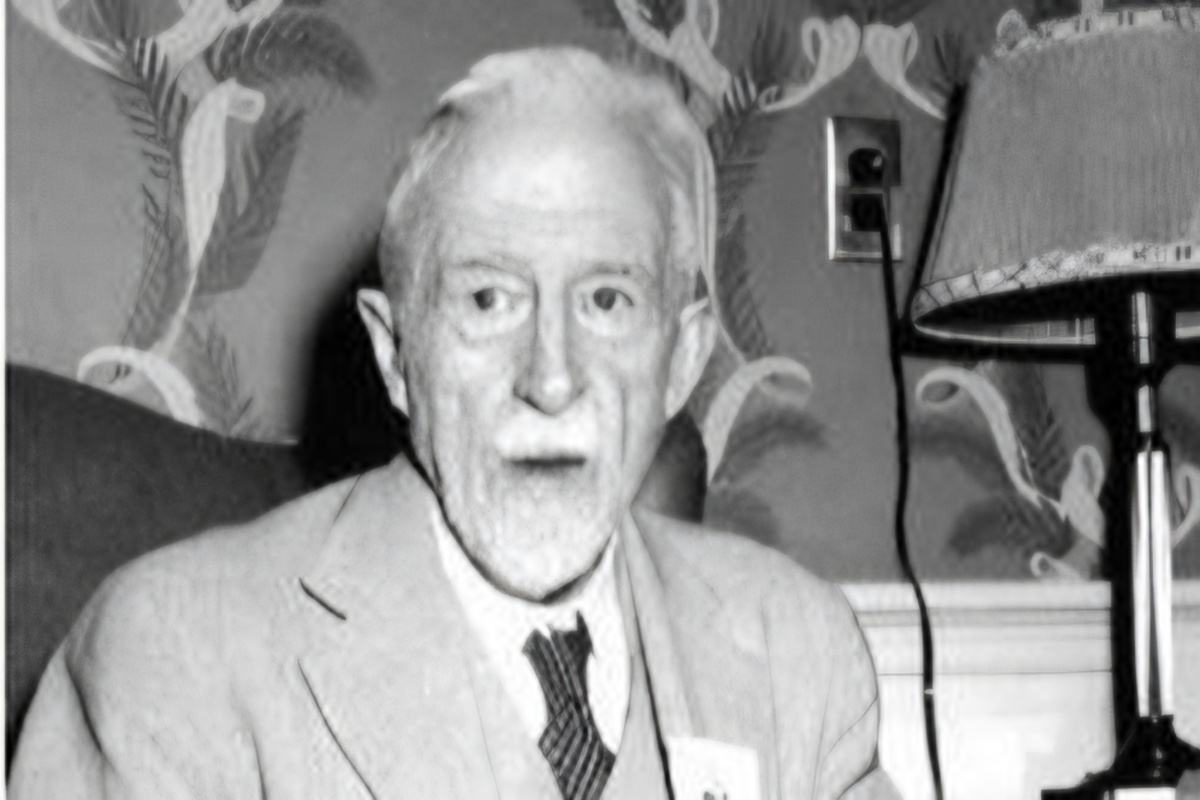
Hangeul, the Korean alphabet, owes its modern structure to the efforts of several key individuals. King Sejong, who reigned from 1397 to 1450, initiated the creation of the script. However, linguist Ju Si-gyeong (1876-1914) played a crucial role in developing and systematizing Korea's modern grammar and writing system. Historian Yoo Hong-june recently highlighted the significant contribution of Homer Hulbert, an American educator, Christian missionary, and scholar.
Hulbert's recommendation for using spacing in Hangeul writing was accepted by Ju Si-gyeong, a decision Yoo believes was the most pivotal in the evolution of the alphabet. Hulbert's influence on Hangeul was recognized by Kim Dong-jin, chairman of the Hulbert Memorial Society, who cited historical records as proof of his impact. Hulbert arrived in Korea in 1886 as an instructor at Yugyeong Gongwon, also known as the Royal English School, one of the nation's earliest modern educational institutions.
Written by urgent.news from The Korea Times's reporting — not their text. Machine-written — may contain errors; check the original before relying on it.
This story
This is one outlet's version. Read the fullest account.
- American helped bring spacing to Hangeul koreatimes.co.kr