AMD seeks 'broader partnership' with Samsung as it looks to secure memory supply
AMD is pursuing a 'broader partnership' with Samsung as memory company wants to tie advanced memory supply to its orders at its foundry unit.
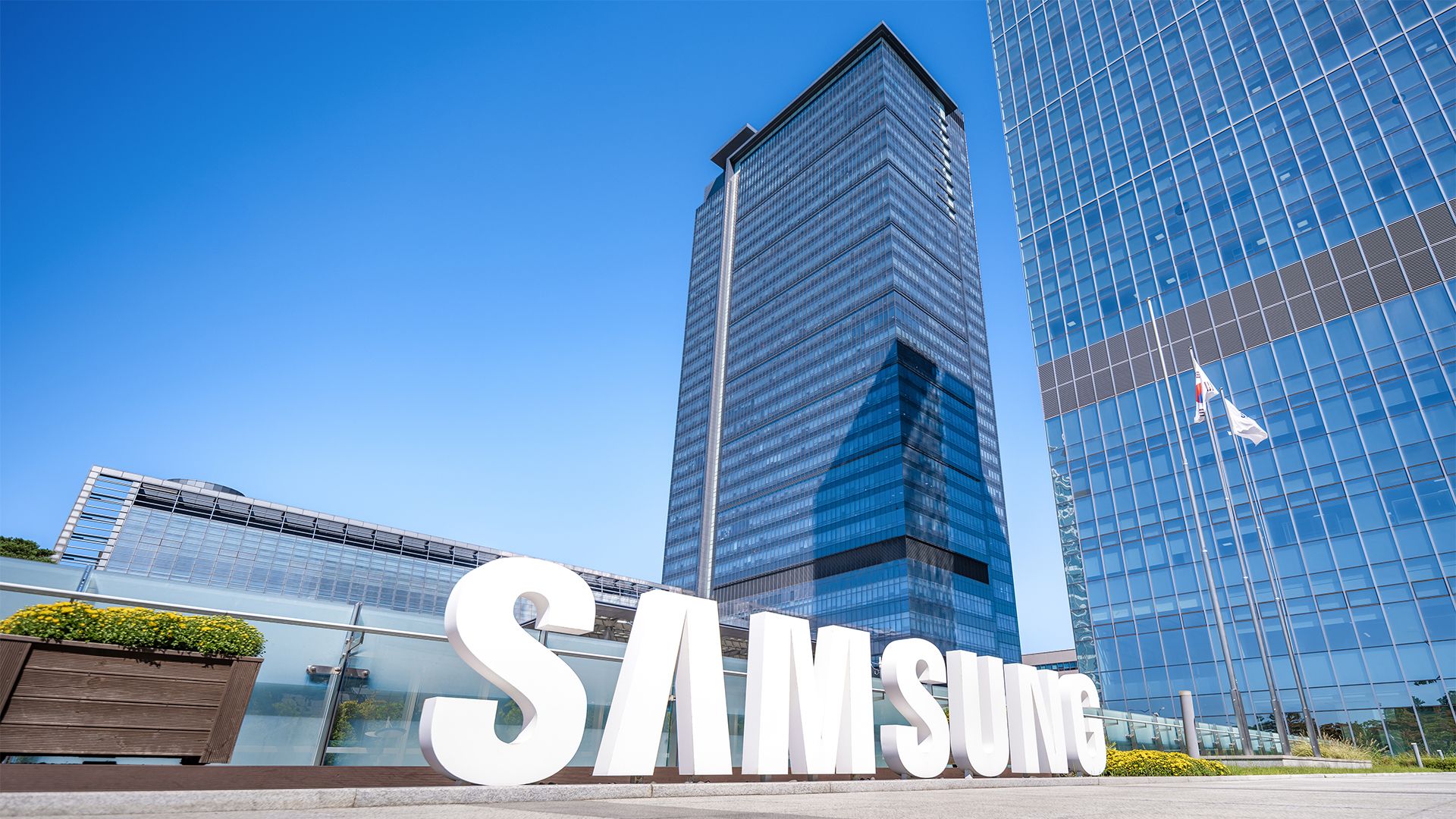
Less than seven months after signing a memorandum of understanding (MOU) for memory supply and collaboration with Samsung, AMD CEO Lisa Su is currently in South Korea to secure more HBM memory for AI accelerators, according to Chosun.biz. Samsung is seeking a broader partnership and aims to turn its memory supply relationship with AMD into foundry chip production orders, the report suggests.
During her visit, Lisa Su expressed her intention to discuss a "broader partnership" with Samsung executives. She affirmed that AMD has numerous partners at Samsung and emphasized the significance of data center-grade DDR5 and HBM memory for the company's AI and data center businesses. Both AMD and Samsung are key supply-chain partners in the industry, with the former relying heavily on the latter for HBM4 memory in its Instinct MI400-series accelerators.
The non-binding MOU signed between AMD and Samsung this March encompassed four areas and was set to last for three years. These included the supply of next-generation memory products, co-development and optimization of memory solutions for AI and high-performance computing systems, exploration of foundry manufacturing opportunities for future AMD platforms, and co-optimization of advanced packaging and related semiconductor technologies.
However, expanding the collaboration beyond memory supply is a complex process that involves designing chips for Samsung Foundry's process technologies and bearing the risks associated with a product ramp at a new contract chipmaker.
AMD has already begun shipping its Instinct MI455 accelerators with 432GB of HBM4 memory onboard and rack-scale Helios AI systems to interested parties. Lisa Su stated that these systems utilize HBM4, indicating that AMD is actively negotiating for more memory supply. Whether AMD will take the risk of adopting Samsung Foundry for more advanced products to secure additional high-bandwidth memory and boost sales of its AI accelerators remains to be seen.
Written by urgent.news from Tom's Hardware's reporting — not their text. Machine-written — may contain errors; check the original before relying on it.