AI can optimise Bengaluru’s bus network, but governance remains a bigger challenge
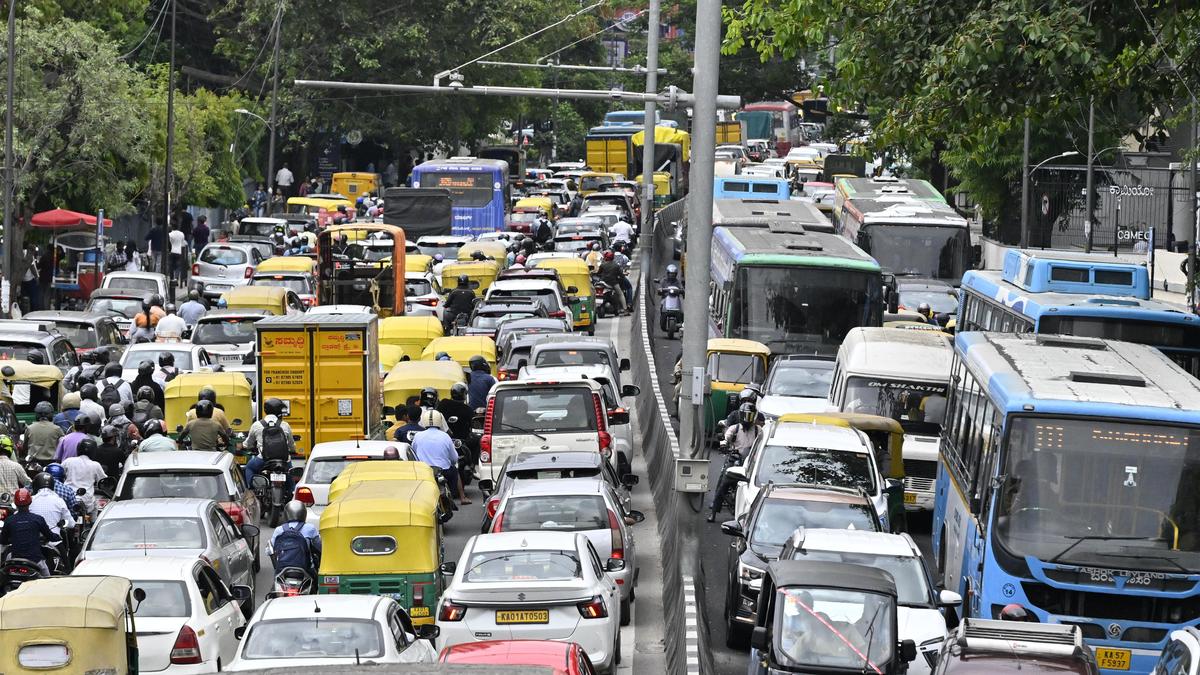
Artificial intelligence (AI) holds promise for optimizing Bengaluru's public transportation network, from designing efficient bus routes to adjusting services based on passenger demand. However, experts at the Mobility Symposium 2026 cautioned that effective governance and implementation remain significant hurdles. Sreenivas Bhandari, vice-president of transit at ONDC, noted that AI could move public transport agencies away from rigid schedules and make services more responsive to demand by analyzing data on passenger movement.
He emphasized the importance of open data, common standards, and application programming interfaces (APIs) for integrating various modes of transport. A unified digital framework could enable commuters to plan, book, track, and complete an end-to-end journey using a single application. Despite these AI-driven possibilities, Ashwin Mahesh, founder of LVBL Accelerator, stressed that technology alone would not resolve Bengaluru's mobility challenges.
He highlighted the need for governments to possess the necessary institutional capacity, planning systems, and trained personnel to implement such solutions. Mahesh also pointed out the broader urban planning challenge, citing Bengaluru's concentration of jobs in specific areas and high housing costs as factors that make concepts like the "15-minute city" difficult to implement without changes in employment and housing patterns.
Nikhil Maroli, co-founder and director of RoadMetrics, suggested that computer vision and AI could be employed to identify road defects, footpaths, and lane markings from road imagery, aiding authorities in monitoring infrastructure and planning maintenance.
Rewritten by urgent.news; may contain errors — check the original.
Source: thehindu.com