A Tax-Side Agenda for Addressing US Budget Deficits
Om 2026, the federal government is on track to spend $7.4 trillion, and $1.9 trillion–about one-quarter of the total–will be newly borrowed money. It’s one thing to have deficit spending during a pandemic or a recession, but neither situation applies here. The accumulated federal debt owed to the public is now equal to 100% of … Continue reading A Tax-Side Agenda for Addressing US Budget Deficits…
The federal government is projected to spend $7.4 trillion in 2026, with $1.9 trillion—approximately a quarter of the total—being borrowed money. This deficit spending, unlike during pandemics or recessions, is occurring in a period where the accumulated federal debt owed to the public equals 100% of US GDP, mirroring the peak reached during World War II.
To address this issue, Kimberly Clausing and Natasha Sarin propose a discussion on tax increases as a solution. They present five "buckets" of tax revenue that would primarily impact those with higher incomes and wealth. These include reforms to the corporate tax, expansion of the Internal Revenue Service's audit rates for high-income taxpayers, and the introduction of new "sin" taxes on gambling and carbon emissions.
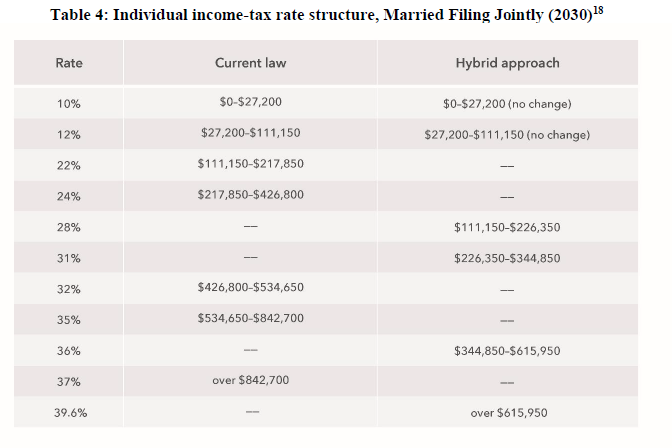
Additionally, they suggest returning income tax brackets to 1997 levels and reforming capital income taxation. The tax increases, amounting to about 3.3% of GDP, or around $1 trillion, are necessary given the large federal debt and relatively low tax revenues.
Written by urgent.news from Conversable Economist's reporting — not their text. Machine-written — may contain errors; check the original before relying on it.