A century of Hangeul Day: From cultural independence to AI challenge
When King Sejong of the Joseon Dynasty (1392-1910) created “Hunminjeongeum,” the Korean alphabet now known as Hangeul, in 1443, it did not immediately replace the Chinese characters which Koreans had used for centuries. For centuries afterward, it was largely shunned by the dynasty's aristocrats and intellectuals, who favored the use of Chinese characters. It wasn't widely popular among ordinary…
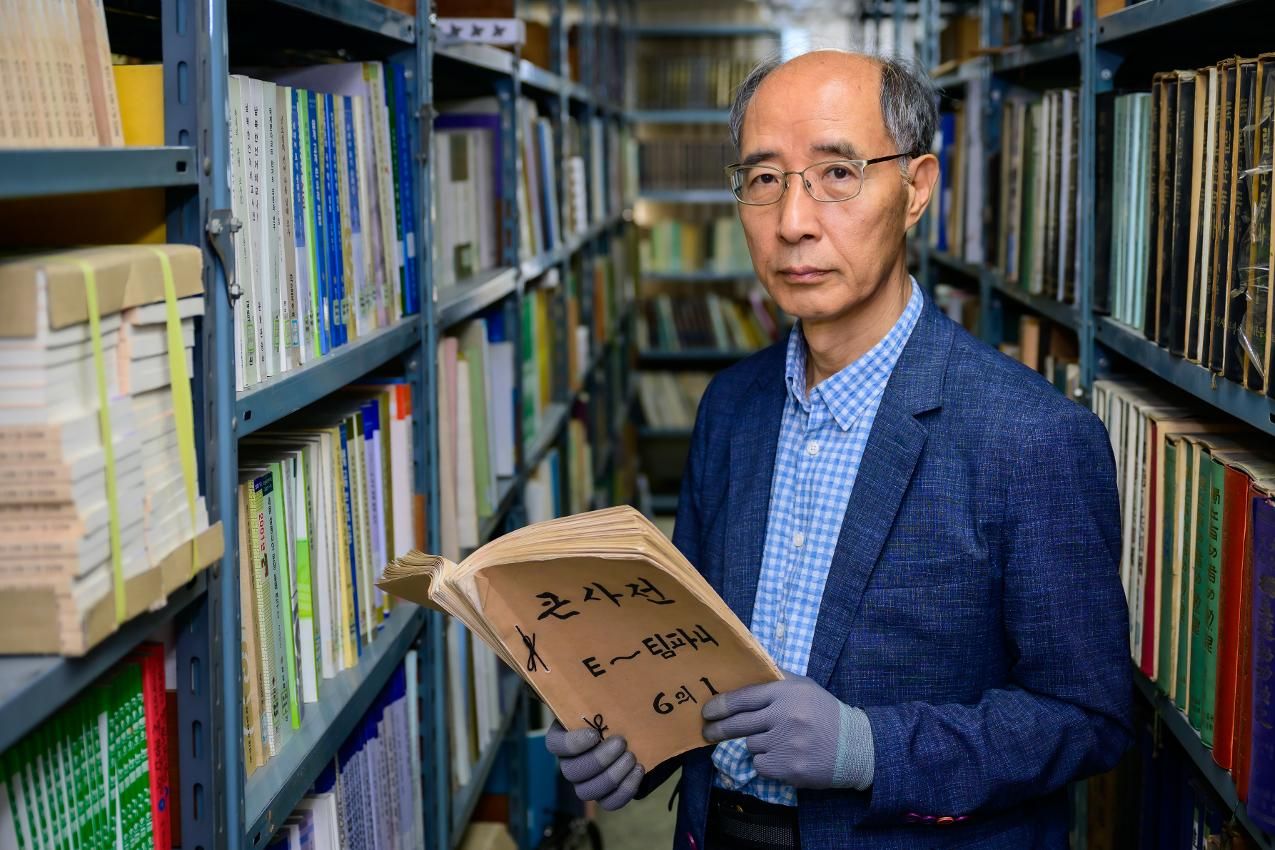
In 1443, King Sejong of the Joseon Dynasty introduced Hangeul, the Korean alphabet, although it initially did not replace the widely used Chinese characters. For many years, Hangeul faced opposition from the aristocracy and intellectuals who preferred Chinese characters. It also did not gain significant popularity among the general populace.
A turning point arrived in 1894 when King Gojong declared Hangeul the official writing system of the country. Nearly three decades later, in December 1926, a gathering of Korean linguists and independence activists began celebrating Gagya Day, which later evolved into Hangeul Day. This day marked the acknowledgment of the Korean alphabet's importance in the nation's cultural identity.
Hangeul Day, initially set on September 29 according to the lunar calendar, was later moved to October 9 in 1940. The celebration of Hangeul Day, then known as Gagya Day, was a significant step towards cultural independence for Korea. A century later, on October 9, the anniversary of Hangeul Day is commemorated, emphasizing the enduring value of this unique writing system in the face of modern AI challenges.
Written by urgent.news from The Korea Times's reporting — not their text. Machine-written — may contain errors; check the original before relying on it.
This story
This is one outlet's version. Read the fullest account.
- A century of Hangeul Day: From cultural independence to AI challenge koreatimes.co.kr