57th GST Council Meeting Today: Faster Refunds, ITC Reforms And Removal Of Arrest Powers On Agenda
The 57th Goods and Services Tax (GST) Council meeting in New Delhi on Oct 8 is expected to discuss major reforms aimed at simplifying compliance, accelerating refunds and reducing regulatory burdens on businesses. According to media reports, the agenda includes easier registration, streamlined Input Tax Credit (ITC) procedures, decriminalisation of offences and changes to the definition of…
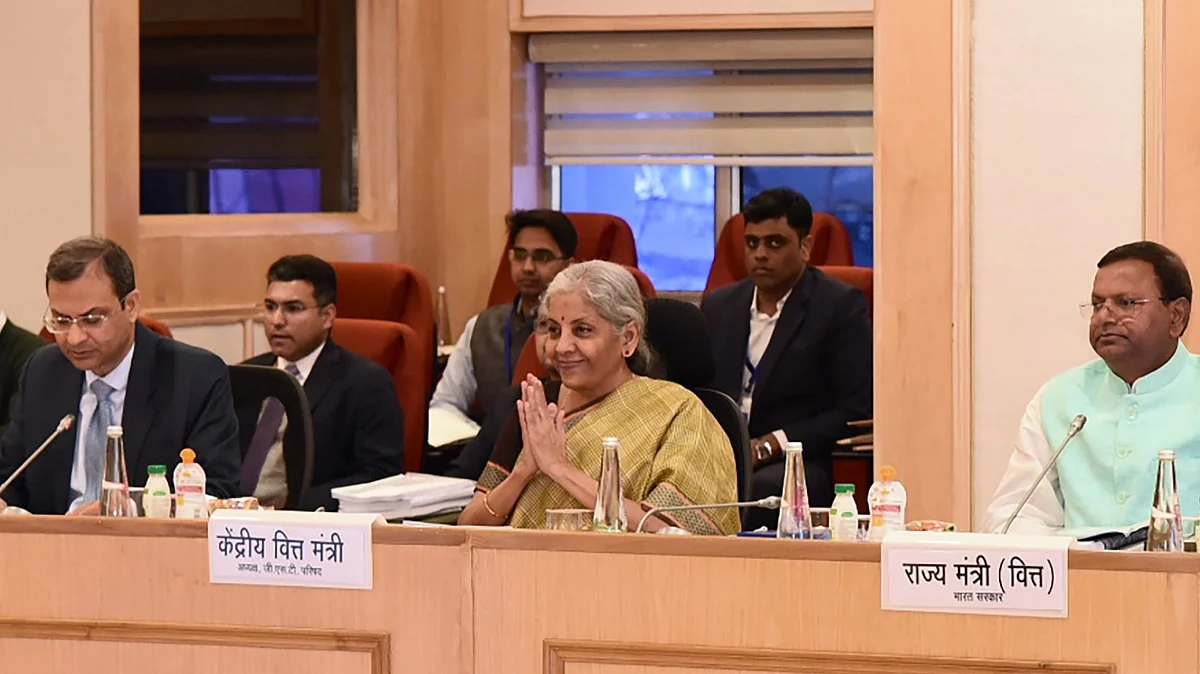
The 57th Goods and Services Tax (GST) Council meeting, held in New Delhi on October 8th, is set to address critical reforms for streamlining compliance, expediting refunds and easing regulatory burdens on businesses. The proposed changes include simplified GST registration, a streamlined Input Tax Credit (ITC) process, decriminalisation of offenses and modifications to the service export definition.
These reforms are anticipated to benefit businesses across various sectors, including agriculture, manufacturing, exports and MSMEs.
One of the significant proposals is the removal of the standalone arrest provisions under Section 69 of the Central GST Act, as reported by Moneycontrol. Currently, the GST commissioner holds arrest powers when there's a reason to believe that specified offenses, such as fraudulent invoicing, wrongful ITC claims and tax evasion, have taken place. The council is expected to discuss withdrawing these powers from tax authorities during investigations.
Another proposal aims to expand the definition of service exports. Under the proposed amendments, Indian companies could maintain export status when billing overseas clients via foreign branches. Services rendered in India for international clients could also be classified as exports. This move could alleviate tax liabilities for global capability centers (GCCs), which provide engineering, product development and testing services to multinational corporations.
Some such services currently incur an 18% GST due to the place of supply rules. Qualifying them as exports could eliminate this tax burden.
The council is also anticipated to consider measures to accelerate GST refunds and improve business cash flow. While existing legislation allows for refunds within 60 days, the proposed system would expedite applications to be acknowledged within 10 days and release 90% of eligible claims after a risk assessment. Automated verification would draw information from customs and banking systems.
Additionally, a proposal could enable 61% of taxpayers to obtain GST registration within three working days without the involvement of tax officers. For other applicants, the process could be streamlined to minimize unnecessary queries and rejections. The council may also explore allowing eligible small businesses that supply exclusively to consumers to file GST returns annually instead of monthly.
These proposed reforms aim to enhance the efficiency, technological proficiency and predictability of the tax administration for businesses.
Written by urgent.news from Free Press Journal's reporting — not their text. Machine-written — may contain errors; check the original before relying on it.
This story
This is one outlet's version. Read the fullest account.