Yoga, exercise, sleep: Why old health practices are being rebranded as ‘neurowellness’
For years, wellness has primarily focused on physical health—eating well, exercising, losing weight, and building muscle. However, recent discussions have shifted to encompass mental wellbeing. People are now questioning issues like poor sleep, constant overwhelm, fragmented attention, and difficulty in switching off even during rest.
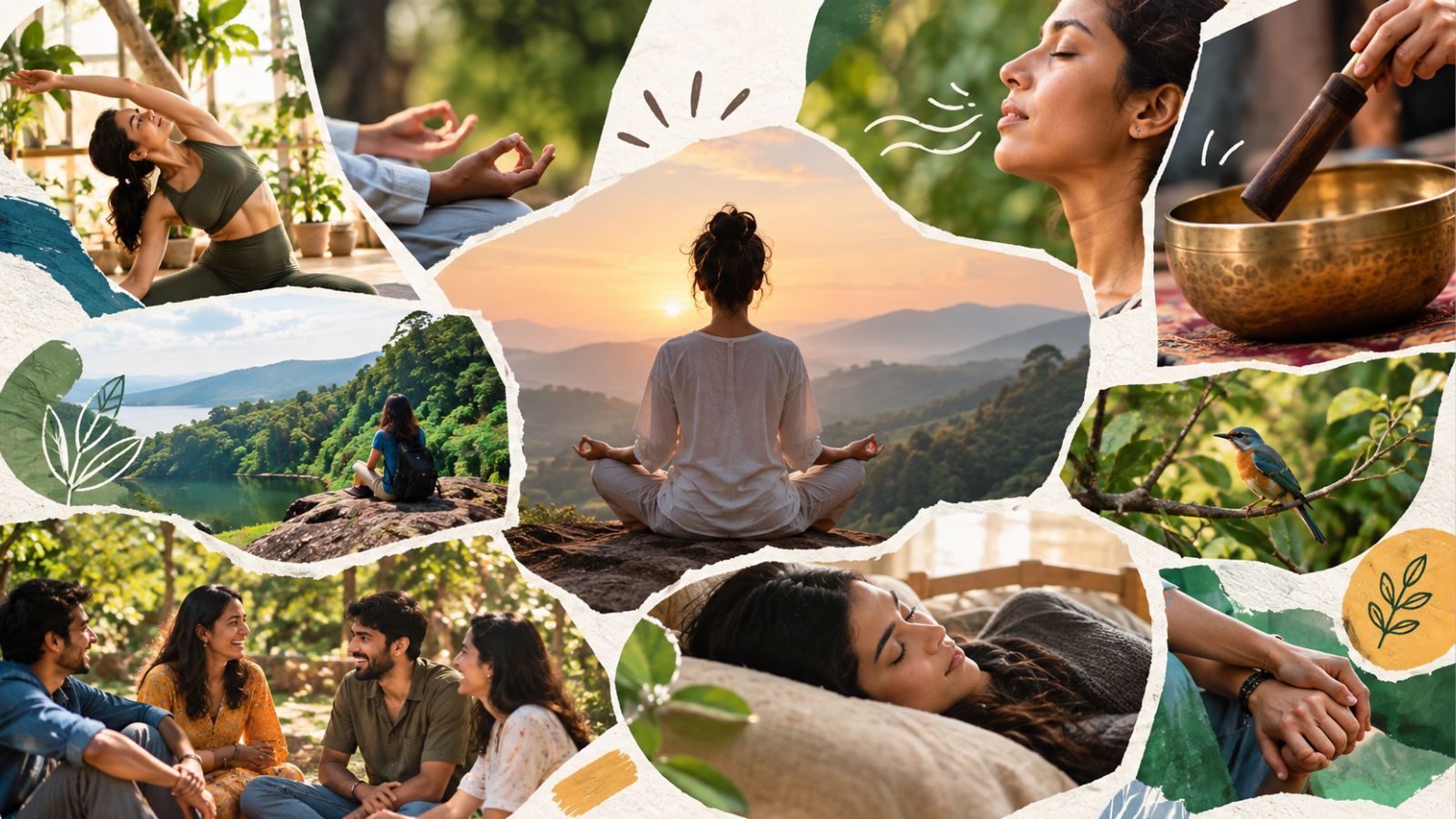
This search for answers has led to the emergence of a new wellness concept: neurowellness. While the term is relatively new, many of its elements are not unfamiliar. Practices such as meditation, yoga, pranayama, breathwork, nature immersion, social connection, and rest have been around for a while. So, what sets neurowellness apart? Furthermore, why are these well-known practices now marketed as brain and nervous system care?
Dr Munia Bhattacharya, a Senior Consultant Clinical Psychologist at Marengo Asia Hospitals in Gurgaon, describes neurowellness as an emerging term within the wellness industry rather than a formally recognized clinical concept. While the term might be new, the underlying need has always existed. She explains that neurowellness refers to caring for the brain as part of overall wellbeing—addressing sleep, concentration, emotional regulation, stress management, and recovery.
This perspective is particularly relevant in today's world where people often dedicate ample time to physical fitness but neglect their mental health. Dr Bhattacharya highlights that in modern society, the brain is frequently overloaded with information such as notifications, emails, social media, work demands, family responsibilities, and an incessant stream of data.
She notes that people can seem physically fine while still experiencing mental fatigue. "In my clinical practice, I increasingly encounter individuals who aren't showing symptoms of a diagnosable psychological disorder but are still functioning at a suboptimal level. They may express feelings like their mind won't shut off, difficulty concentrating, or an overwhelming sense of exhaustion even after a good night's sleep," she explains.
Another significant aspect of neurowellness is its appeal to contemporary lifestyle challenges. Tarun Gulati, Director of Ganga Kinare Resorts and Hotels, observes that while meditation, yoga, pranayama, sound healing, and nature time have long been part of people's routines, the new aspect lies in what individuals seek from these practices. They now aim to improve sleep, switch off from work, quiet the mind, and experience reduced overwhelm.
Shane Gunasekara, Director of Kurundu Wellness at Cinnamon Life in Colombo, Sri Lanka, observes a similar trend among his clientele. "In today's environment, we are constantly connected to our phones, face work pressure and deadlines, travel frequently, and experience disrupted sleep patterns. Even when we rest, our minds remain active," he observes.
This shift changes the motivation behind seeking out traditional practices. People are no longer solely visiting spas for physical relaxation or massages; they recognize the need for mental calmness, stress reduction, and overall wellbeing beyond just muscle relaxation.
To cater to these evolving needs, Kurundu Wellness has introduced programs like 'Traditional Himalayan Sound Healing' and developed 'Sleep Enhancement Rituals.' Dr Chandni Tugnait, a Psychotherapist and Founder of Gateway of Healing, notes that the growing scientific understanding of practices like meditation and breathwork has provided clearer insights into their effects on the body.
"Meditation and breathwork are now recognized not just as mental exercises but as methods that genuinely calm the nervous system," she explains. This scientific validation has made these practices more appealing, especially to younger generations who might have previously avoided anything labeled as spiritual. Dr Tugnait acknowledges that while the practices themselves remain unchanged, the rebranding has succeeded in attracting a broader audience by providing a more tangible and scientifically supported framework.
Written by urgent.news from The Indian Express's reporting — not their text. Machine-written — may contain errors; check the original before relying on it.