World shares, euro slide as high oil prices, fiscal worries linger
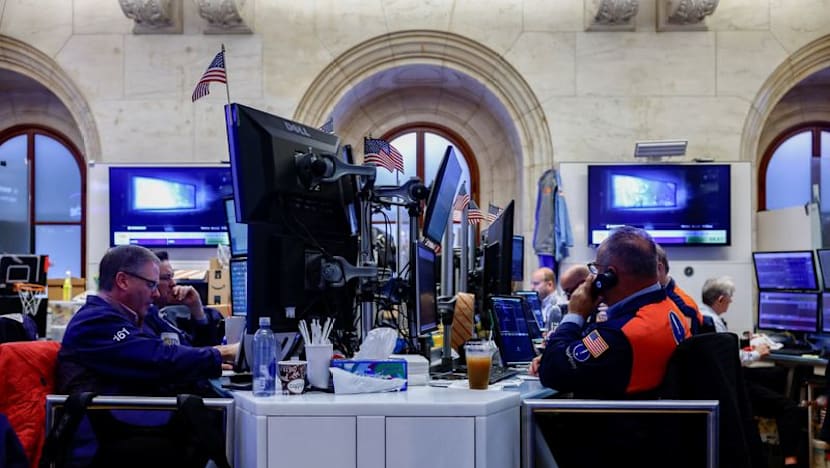
Global stocks and the euro fell on Wednesday due to high oil prices, rising concerns about U.S. Federal Reserve policy, and France's fiscal situation. The S&P 500 and tech-heavy Nasdaq both dropped about 0.2%, following a record-high performance the previous day. The pan-European STOXX 600 ended 1% lower, erasing most of its gains over the past three sessions.
Banks experienced another downturn, falling 3.3%. MSCI's global stock index decreased by 0.6%. Oil prices dropped on Wednesday after the International Energy Agency pledged to accelerate oil stock releases and prioritize diesel to curb record-high fuel costs amid Middle East tensions. Brent crude futures fell by 38 cents, or 0.38%, to $100.20 a barrel.
The Federal Reserve's rate policy remains a focal point, with minutes from the previous month showing divided opinions. While some believed a rate hike was necessary to mitigate energy and other price shocks, a more hawkish core argued it was crucial to counter potential demand-driven inflation. BlackRock's deputy chief investment officer, Russ Brownback, stated that the recent rate increase does not indicate an impending tightening cycle.
Instead, he emphasized the Federal Reserve's commitment to vigilance rather than a sustained tightening campaign. US Treasuries gained ground in the afternoon, with yields easing from recent highs and a robust $39 billion auction of 10-year notes reassuring investors about the demand for long-term government debt despite recent market turmoil.
The euro suffered further, declining by 0.6% to $1.119, its lowest point in 17 months against the dollar. The dollar index rose by 0.37% after a 0.27% dip the previous day. French bonds faced additional pressure due to expectations of higher European Central Bank rates and political uncertainty ahead of the 2027 election, raising doubts about France's fiscal stability.
Wider yield spreads in the euro area contribute to the single currency's decline by heightening expectations of ECB monetary easing, sparking concerns over fiscal sustainability, and promoting fears of heightened fragmentation within the euro area. Georgette Boele, a senior currency and oil strategist at ABN AMRO, expressed skepticism about the extent of rate increases by the Federal Reserve and the European Central Bank, stating that financial markets may be pricing in excessive hikes.
Written by urgent.news from CNA - Business's reporting — not their text. Machine-written — may contain errors; check the original before relying on it.