World shares, euro slide as energy shock, fiscal worries bite
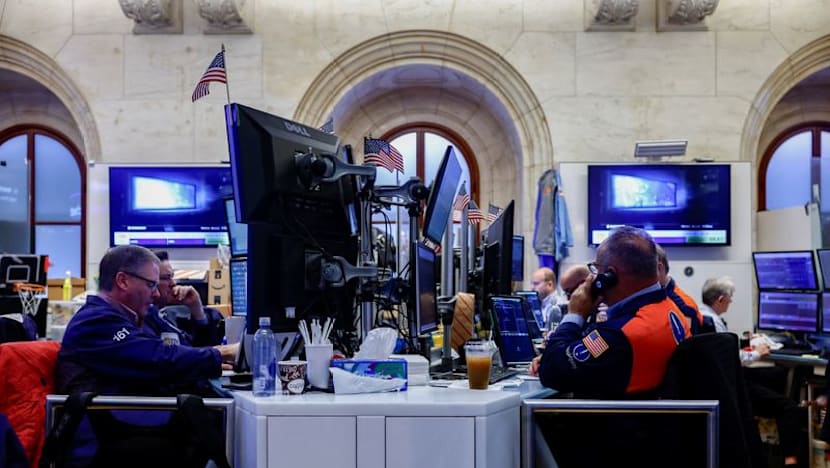
Global stocks and the euro plummeted on Wednesday as oil prices lingered near $100 per barrel due to escalating tensions in the Middle East, coupled with uncertainty surrounding the US Federal Reserve's rate policy and France's fiscal situation. The S&P 500 and tech-focused Nasdaq both declined by approximately 0.2 percent, following a record high the previous day.
The pan-European STOXX 600 index also fell by 1 percent, erasing most of the gains from the past three sessions. Banks experienced further losses, declining by 3.3 percent. Major stock indices, such as MSCI's main global stocks index, dropped by 0.6 percent. Oil prices eventually retreated on Wednesday after a turbulent session, as the International Energy Agency agreed to accelerate the release of oil reserves and prioritize diesel to address record-high fuel prices triggered by the Iran conflict, which has constrained global supplies.
Brent crude futures closed 38 cents, or 0.38 percent, lower at $100.20 per barrel. Analysts remain concerned about the direction of interest rates. Minutes from the Federal Reserve's recent meeting revealed divided opinions among policymakers about the need to raise interest rates, with some arguing it was necessary to counteract energy and other price shocks, while a more hawkish faction viewed it as essential to protect against inflation driven by demand.
Russell Brownback, BlackRock's deputy chief investment officer for global fixed income, stated that the latest rate hike did not signal an impending tightening cycle, emphasizing the committee's commitment to vigilance rather than a sustained tightening campaign. US Treasury yields edged up in the afternoon, with the benchmark 10-year note yield settling at 5.284 percent.
The euro weakened further, dropping 0.6 percent to $1.119, reaching a 17-month low against the dollar at $1.1161. A stronger dollar index, up 0.37 percent, followed a 0.27 percent decline the day before. France's bonds are facing pressure due to expectations of higher European Central Bank rates and political uncertainty leading up to the 2027 election, which raises doubts about France's fiscal stability.
Wider yield spreads across the euro area are putting downward pressure on the single currency by raising expectations of potential ECB monetary easing, heightening concerns about fiscal sustainability, and fueling fears of growing fragmentation within the euro area. The widening interest rate gap between Germany and the US is bolstering the US dollar against the euro, according to Georgette Boele, a senior currency and oil strategist at ABN AMRO.
Rewritten by urgent.news; may contain errors — check the original.
This story
This is one outlet's version. Read the fullest account.
- World shares, euro slide as energy shock, fiscal worries bite channelnewsasia.com