Wild tulips in Central Asia have become rare, expert says
More than half of the world’s wild tulip species assessed so far are threatened with extinction, reports Mongabay’s Shreya Dasgupta. “For a flower this famous, it may surprise people how rare its wild relatives have become,” Brett Wilson, co-founder of the Wild Tulip Specialist Group at the IUCN, the global nature conservation authority, told Mongabay […]
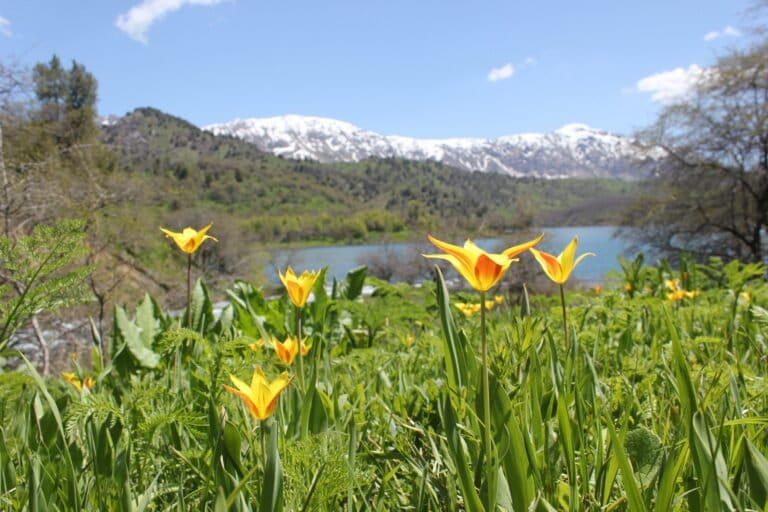
More than half of the world's wild tulip species are currently threatened with extinction, according to an assessment by the IUCN. Brett Wilson, co-founder of the Wild Tulip Specialist Group at the IUCN, explained that the rarity of wild tulips may come as a surprise to many. Of the 62 wild tulip species assessed, 32 are threatened with extinction.
Most of these species, 53 in total, are found in Central Asia, specifically in the Tien Shan and Pamir-Alay mountain systems, which Wilson describes as the most diverse region for tulips on Earth.
The primary threats to wild tulips include livestock overgrazing and climate change. Grazing animals can trample tulip bulbs and consume the flowers before they have a chance to produce seeds. Additionally, a warming and drying climate is pushing mountain-dwelling tulip species to higher elevations, where they have no room to move. Unpredictable weather patterns, such as landslides and floods, can further harm these sensitive plants.
Other dangers include mining, infrastructure development, and the overharvesting of wild bulbs, which mainly affects specific species. Wilson noted that the classic victims of overcollection are the large, showy red-flowered varieties that grow near human settlements, such as the Tulipa fosteriana in Uzbekistan.
Written by urgent.news from Mongabay's reporting — not their text. Machine-written — may contain errors; check the original before relying on it.
This story
This is one outlet's version. Read the fullest account.