Why you should mail your parents a Tailscale node
Learn how to build a remote Tailscale care package with a Raspberry Pi, Apple TV, or Android TV for secure network access, troubleshooting, and backups.
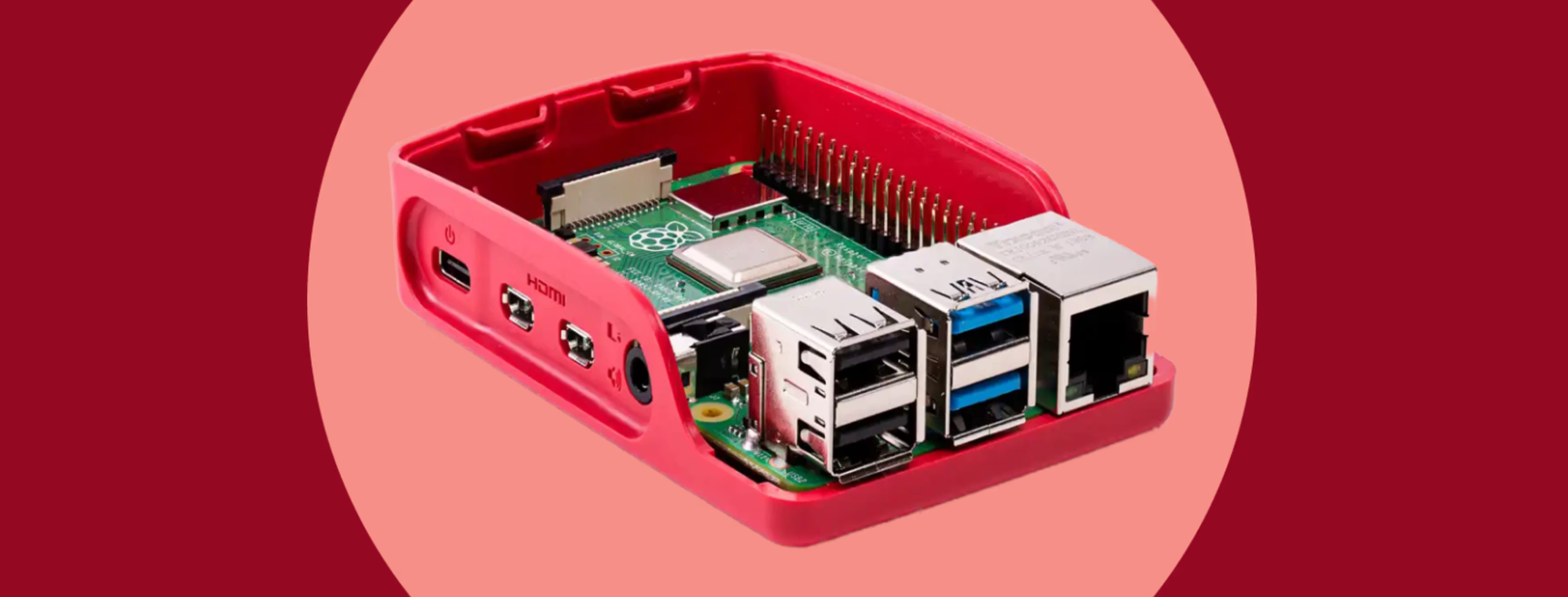
You can install Tailscale across a multitude of platforms, including unexpected places like mailboxes, stoops, or package lockers. By running Tailscale on small devices such as Raspberry Pi, Apple TV, or Android TV, you can troubleshoot devices back home, serve as an exit node for VPN, and provide an off-site backup location. Some Tailscale enthusiasts have even used these devices for more significant purposes, such as aiding family members with dementia or connecting with parents living under restrictive national firewalls.
If your parents or relatives are comfortable installing Tailscale on their computers, you could simply share devices or invite them as users, but most people don't have a continuously running computer at home. For a more reliable solution, consider sending a Tailscale node to them. You can choose between a Raspberry Pi 4B or 5, a thin client running a supported Linux distribution, or an Apple TV or Android TV box.
While a Raspberry Pi offers more versatility and can be managed remotely via SSH, an Apple TV is easier to set up and can provide an exit node and subnet router. An Android TV is a middle ground, requiring more setup than an Apple TV but offering some remote access capabilities. Once you have the device, plug it in with an Ethernet cable and power it using a wall plug.
It's recommended to use a Wi-Fi connection for the initial setup, but avoid running speed tests that could disrupt the Tailscale connection. After installation, you can use Tailscale to access other devices on the faraway network, enabling you to "teleport" your network presence away from home.
Written by urgent.news from HackerNoon's reporting — not their text. Machine-written — may contain errors; check the original before relying on it.