Why Morgan Stanley sees more upside in Hong Kong offices than New York towers
Higher interest rates have weighed on property markets in both Hong Kong and New York, but Morgan Stanley sees greater upside potential in the Asian financial hub – particularly the office segment – in the months ahead, according to its latest report. The US investment bank highlighted the similarities between two of the world’s leading financial centres, pointing out that Hong Kong’s monetary…
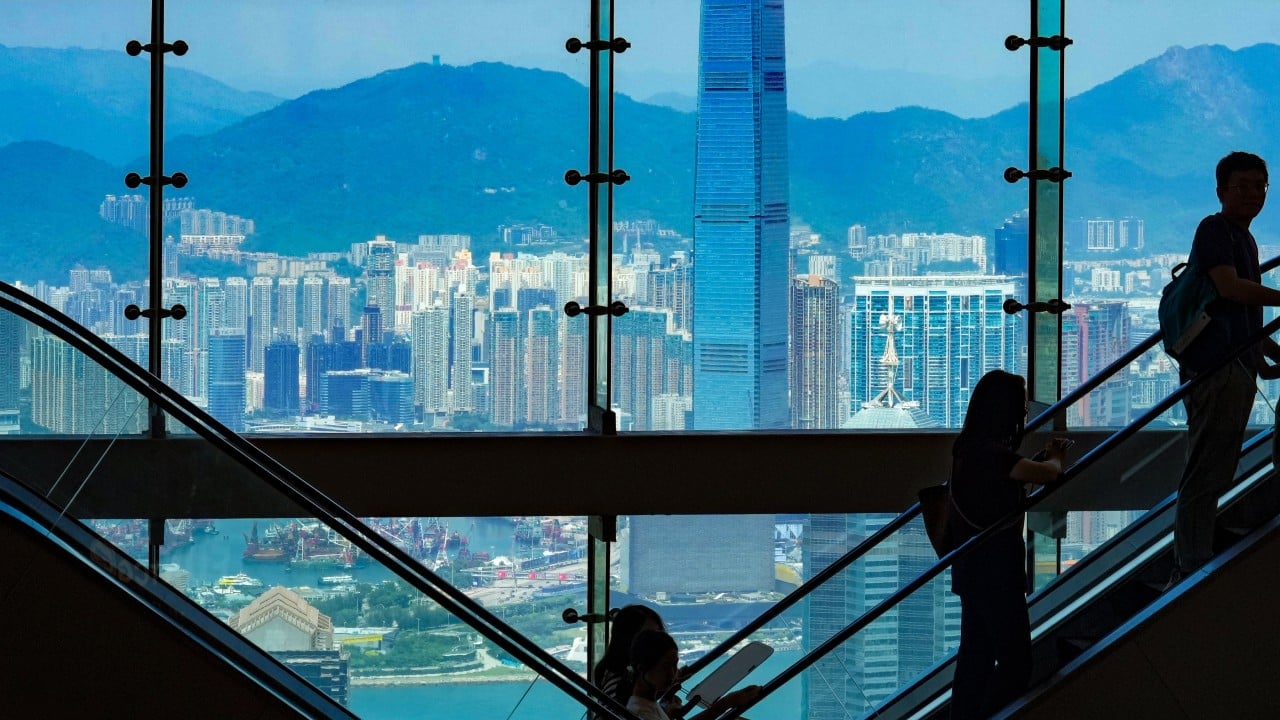
Higher interest rates have impacted property markets in both Hong Kong and New York, yet Morgan Stanley anticipates greater potential for growth in the Asian financial hub, particularly in the office segment, in the coming months, according to the bank's latest report. The investment firm highlighted the similarities between two major global financial centers, noting that Hong Kong's monetary policy closely mirrors that of the US Federal Reserve, while both cities contend with limited land supply, expensive housing, and office demand heavily reliant on the finance sector.
Praveen Choudhary, head of Hong Kong and India property research at Morgan Stanley, explained that "higher rates transmit differently into these two cities." "Scarcity matters more than rates. We prefer Hong Kong landlords over New York City office owners or Hong Kong developers."
The report indicates that the office cycle has turned in both cities after years of high vacancy rates caused by the Covid-19 pandemic. In Manhattan's class A office market, the vacancy rate fell by 2.1 percentage points year-over-year to 10.6 percent in the second quarter of 2026, signaling a return to pre-pandemic levels. Rents, however, increased by 4.3 percent. In Manhattan's office capitalization rate stood at approximately 8.5 percent in the second quarter of 2026, nearing the upper range seen since 2003.
In Hong Kong's prime office market, the vacancy rate decreased to 12.5 percent in August from 13.5 percent a year earlier. Central District led the recovery, with rents rising by 7.3 percent as vacancy fell to 7.8 percent from 11.2 percent. Capital values, though, remained 50 percent below their all-time high.
The report emphasizes that the most significant similarity between the two cities lies within each city's market. Manhattan's strongest submarkets have vacancy rates ranging from 5 to 10 percent, while weaker areas still sit in the mid- to high teens. Hong Kong also demonstrates the same pattern, with Central District tightening first while Kowloon East remains significantly oversupplied.
Morgan Stanley predicts that Hong Kong's office property cycle will follow a similar trajectory to New York's. "Operating fundamentals are recovering faster than asset values in both cities," the report stated. "We believe this setup is particularly relevant for Hong Kong landlords with exposure to prime office."
Written by urgent.news from South China Morning Post's reporting — not their text. Machine-written — may contain errors; check the original before relying on it.
This story
This is one outlet's version. Read the fullest account.