Why isn’t SA reintroducing fuel tax relief measures? Economists say it's not that simple
Economists explain why South Africa has not restored fuel tax relief as petrol and diesel prices hit record highs, warning that the fiscal cost must be weighed against the economic pain.
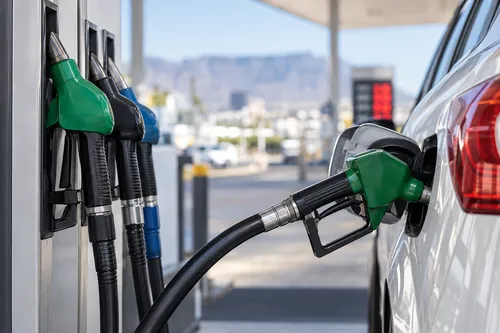
South Africa is currently grappling with a more severe fuel price crisis than the one that occurred in April, as petrol and diesel prices reached record levels. The temporary fuel tax relief measures that were in place between April and June have not been reintroduced. These measures reduced the General Fuel Levy (GFL) by R3 per litre for petrol and up to R3.93 per litre for diesel.
Despite elevated international oil prices due to the ongoing Middle East conflict, South Africans are still fully exposed to the GFL and other levies, which push the petrol tax bill to R6.58 per litre.
Removing these measures from the government's revenue stream is not as simple as it may seem, according to economists consulted ahead of the recent fuel price increase. Patrick Buthelezi, an economist at Sanlam Investments, explained that if the National Treasury were to absorb the shock of the October fuel price increase by cutting the fuel levy, it could cost the fiscus just over R6 billion per month.
However, reintroducing the fuel tax relief measures could undermine fiscal consolidation efforts and potentially weaken South Africa's sovereign credit rating outlook due to uncertainty about the conflict's duration.
Economists such as Hannah Marais, Southern Africa chief economist at Deloitte Africa, and Sanisha Packirisamy, group economist at Momentum, argue that reintroducing the fuel relief measures would not be fiscally prudent. The earlier relief measures were funded through stronger-than-expected tax collections and departmental underspending, but that fiscal buffer has largely been exhausted.
Marais emphasized that the trade-off is between a measurable and immediate fiscal cost and an economic cost that may be larger but takes longer to materialize.
Written by urgent.news from IOL's reporting — not their text. Machine-written — may contain errors; check the original before relying on it.