Why growing trust in digital payments may be leaving Indians more exposed to cybercrime
UPI has become a more trusted and frequently used mode of payment in India; but SPIR 2026 finds a paradox, people who trusted online banking the most and used UPI most often were more likely to have been victims of cybercrime; report shows how fraud networks exploit this trust through deceptive schemes, fake apps and ‘digital arrest’
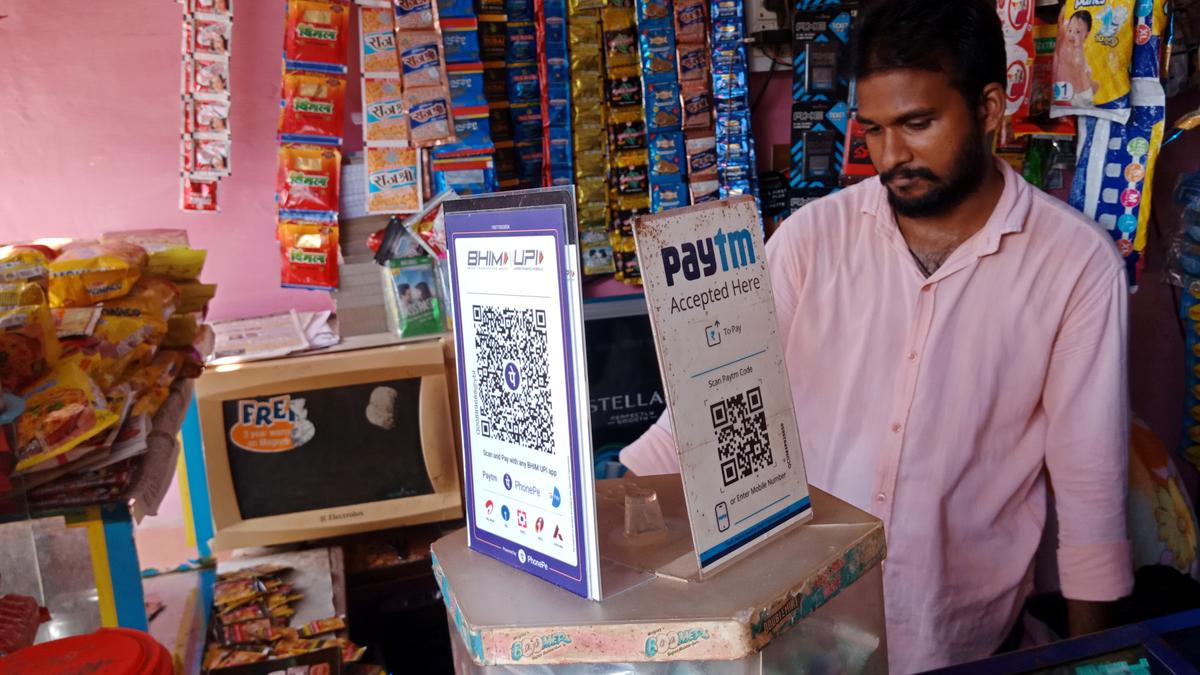
India's rapid adoption of digital payments, particularly Unified Payments Interface (UPI), has transformed daily life and commerce. UPI transactions soared to over 24,000 crore in FY 2025-26, totaling ₹314 lakh crore. With 70% of India's population connected to the internet, it presents an enticing target for cybercriminals. A majority of Indians trust digital payment methods, with UPI ranking highest in safety perception.
However, this trust comes at a cost. SPIR 2026 reveals a striking correlation between trust in online banking and vulnerability to cybercrime. Those who consider online banking modes "very safe" are more likely to have fallen victim to cybercrimes in the past 2-3 years. The rise in cybercrime is fueled by organized fraudsters who sell kits containing SIM cards, bank accounts, and cell phones.
These kits enable them to defraud victims by creating convincing investment apps or holding them digital hostage. Furthermore, some cybercriminals even rent out bank accounts to others to carry out the scams. The SPIR report exposes a paradox where the more people rely on digital payments, the more they trust them, and the more susceptible they become to cybercrime.
Rewritten by urgent.news; may contain errors — check the original.