What prediction markets must fix to remove the “gambling” label
Prediction markets are entering Africa, promising to turn informed conviction into useful signals. But as money, sports and speculation pull in more users globally, the line between market intelligence and gambling is getting harder to defend.
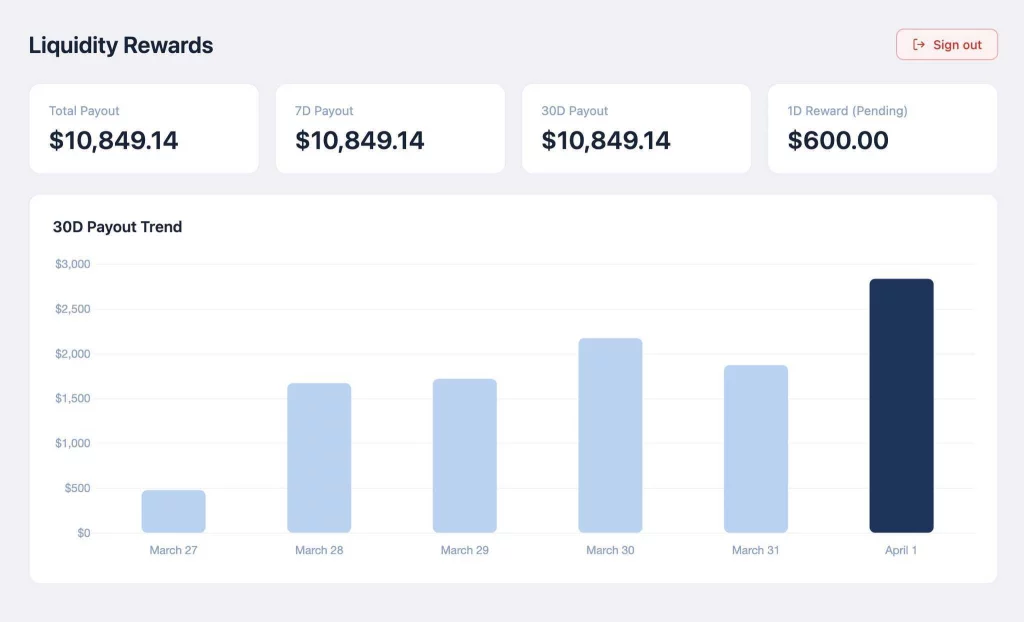
Prediction markets are platforms where users can bet on the outcome of an event, with the market price reflecting the likelihood participants believe in that outcome. These markets were originally designed to turn dispersed knowledge into a signal, as demonstrated by the Iowa Electronic Markets, which accurately predicted election results more frequently than traditional polling in recent elections.
However, modern prediction markets have evolved to include more volatile markets, such as sports, which often attract traders with limited domain knowledge. While some users earn profits through informed analysis, the majority are driven by a desire for quick, unrealistic gains, which can tarnish the reputation of the entire industry.
To improve the perception of prediction markets, it is crucial to attract more sophisticated users who rely on data, probabilities, and domain knowledge to back their beliefs with money, thus increasing the likelihood of accurate price reflection and contributing to a more reliable outcome.
Written by urgent.news from TechCabal's reporting — not their text. Machine-written — may contain errors; check the original before relying on it.