What is pneumonic plague and how dangerous is it?
A 28-year-old lab researcher at a Russian institute dedicated to studying plague and dangerous pathogens died of pneumonia of an “unknown” origin. The Irkutsk Research Anti-Plague Institute operates in Siberia, where several other people are quarantined. Rospotrebnadzor, the Russian agency that oversees infectious disease, has downplayed the link between the researcher’s death and her work, … The…
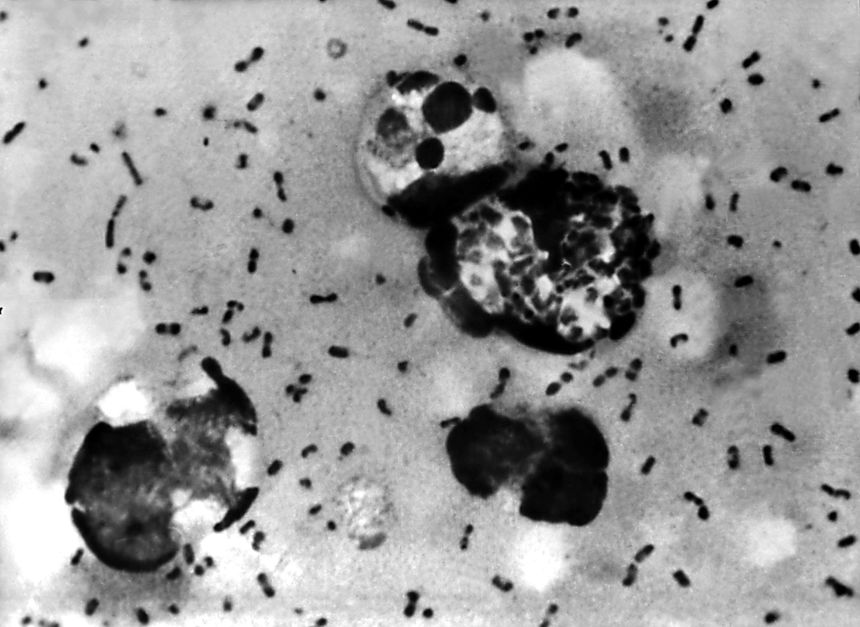
Pneumonic plague is a rare and highly lethal lung infection caused by the bacterium Yersinia pestis. This form of plague is the most dangerous of its kind, according to scientists. It is transmitted through respiratory particles when an infected person coughs or sneezes, or through droplets from infected animals. The last recorded case of pneumonic plague being transmitted from person to person in the United States was in 1924.
Symptoms of pneumonic plague appear within 24 hours of infection and include severe pneumonia, making it difficult to breathe. Other symptoms include fever, chills, headache, body aches, dizziness, weakness, fatigue, nausea, vomiting, and diarrhea. Without prompt treatment, pneumonic plague is almost always fatal.
Treatment for pneumonic plague involves at least 10 to 14 days of antibiotics, such as ciprofloxacin, levofloxacin, moxifloxacin, gentamicin, and streptomycin. If antibiotics are administered within the first 24 hours of infection, the chances of survival are highest. Patients may also receive supportive care, including supplemental oxygen, fluids, and encouragement to rest.
The World Health Organization is monitoring the situation closely, working with Russian health authorities to verify the details of the case and assess any potential public health implications. So far, the WHO spokesperson has stated that the risk to the general population appears to be low.
Written by urgent.news from Egypt Independent's reporting — not their text. Machine-written — may contain errors; check the original before relying on it.