What independence could mean for oil-rich Alberta's economy
Albertans vote this month on staying in Canada or moving ahead to a binding independence referendum.
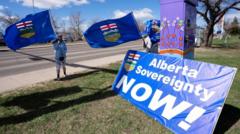
Alberta, Canada's oil-rich province, is facing a pivotal decision in its future as residents prepare to vote on October 19 on the question of independence. The province's economy is touted as one of the most prosperous in Canada, boasting a significant agricultural sector, a young and skilled workforce, and vast oil and gas reserves. However, the debate over independence has centered around the potential economic implications of breaking free from Canada.
One key argument put forth by supporters of independence is that Alberta would be better off financially if it were to become an independent country. They point to the fact that the province has been treated unfairly due to its integration with Canada and argue that a larger share of oil and gas wealth would remain within Alberta's borders instead of being shared with the federal government, thereby saving tens of billions of dollars annually.
On the other hand, provincial Premier Danielle Smith and her government have a more cautious view. They estimate that separation could cost Alberta C$400 billion ($283 billion; £213 billion) in transition costs alone, along with billions more in lost investments and trade due to the political upheaval. A report commissioned by Smith's government predicts the costs of separation could range from C$50 billion to C$170 billion over five years and remains highly uncertain in the long term.
Setting up agencies to manage taxes, national security, and legal systems, developing its own constitution, pension plans, and negotiating the division of federal assets like national parks and military bases would be just some of the challenges Alberta would face. Economists estimate that if Alberta were to become independent, it would likely take on a share of Canada's national debt, adding to its fiscal challenges.
Opinion polls indicate that around 20% to 25% of Albertans plan to vote in favor of a binding separation referendum, with higher support among younger, rural, and conservative voters. This sentiment is rooted in the belief that Alberta has been overlooked and misunderstood by decision-makers in Ottawa and that the province could benefit greatly from being its own entity.
Critics argue that this uncertainty could negatively impact Alberta's fiscal position and reduce the disposable income of its residents by 5.8% on average.
Written by urgent.news from BBC Business's reporting — not their text. Machine-written — may contain errors; check the original before relying on it.