We spent 12 months testing red light masks: Here are 6 that gave us real results (and 2 to skip)
To find the best red light mask, Mashable reviewers spent months using LED face masks from Shark, Therabody, Solawave, and more.
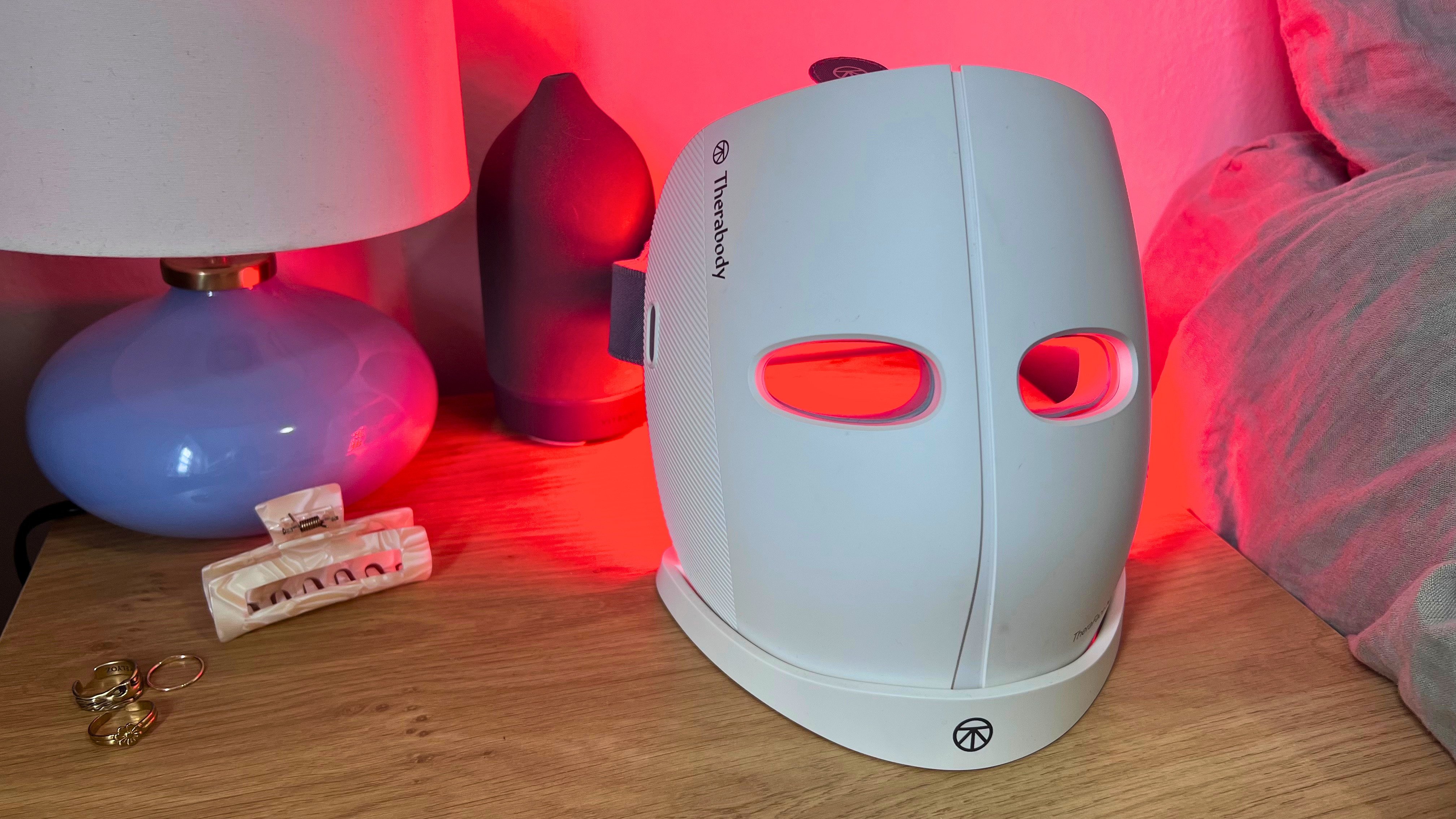
When selecting a red light face mask, first consider the wavelength of light emitted. Effective masks emit light within the therapeutic window of 630 to 633 nm, which can reduce fine lines, dark circles, crow's feet, wrinkles, and improve skin texture, collagen production, and reduce inflammation and redness. Reputable brands will display their mask's specific wavelength ranges prominently.
The dorsal layer of your skin, the dermis, is where red light therapy works, penetrating to stimulate cells to produce collagen and elastin. Near-infrared light, with wavelengths between 830 and 850 nm, penetrates deeper into tissue to help firm skin and heal deep-seated spots. Blue light, with a wavelength of 415 nm, targets acne by killing bacteria that cause breakouts.
Blue and red light therapy combinations can be beneficial. However, consider irradiance, which measures the amount of light energy that reaches your skin per session (expressed as milliwatts per square centimeter), for the mask to be effective. A mask with lower irradiance requires longer sessions to achieve the same energy delivery, which may discourage consistent use.
Bulb count and placement also affect efficacy, particularly for specific facial areas. Masks with evenly distributed bulbs provide better coverage and potentially more consistent results.
Written by urgent.news from Mashable's reporting — not their text. Machine-written — may contain errors; check the original before relying on it.