Vorbereitet für den Ernstfall: Experten drängen auf bessere Abstimmung in der Krise
Warum ist die Abstimmung zwischen Behörden, Bundeswehr und Unternehmen in Krisen eine Herausforderung? Einblicke aus Gesprächen mit Fachleuten.
A critical flaw identified in large-scale crisis scenarios in Germany is the lack of coordination between authorities, regional governments, the German Armed Forces, and operators of critical infrastructure, according to a stocktake by the AFCEA Bonn technical association. The issue lies not in existing laws or individual technical capabilities, but in the absence of binding procedures to integrate information and swiftly clarify responsibilities during emergencies, according to the analysis.
The position paper is based on interviews with 55 experts from authorities, aid organizations, industry, and medical facilities involved in critical infrastructure. The authors do not claim their findings represent the broader population. The example cited is of a food distributor whose stock was included in both military operations plans and civilian supply plans.
The civilian stock plan failed to account for the fact that the same supplies were also appropriated for military use, highlighting the risk of simultaneously planning for scarce resources. Notably, there was no central authority authorized to manage patient control on a national level. Such a system could become necessary in the event of a short-term influx of wounded personnel from a NATO alliance scenario that exceeds the Bundeswehr's capacity to treat them.
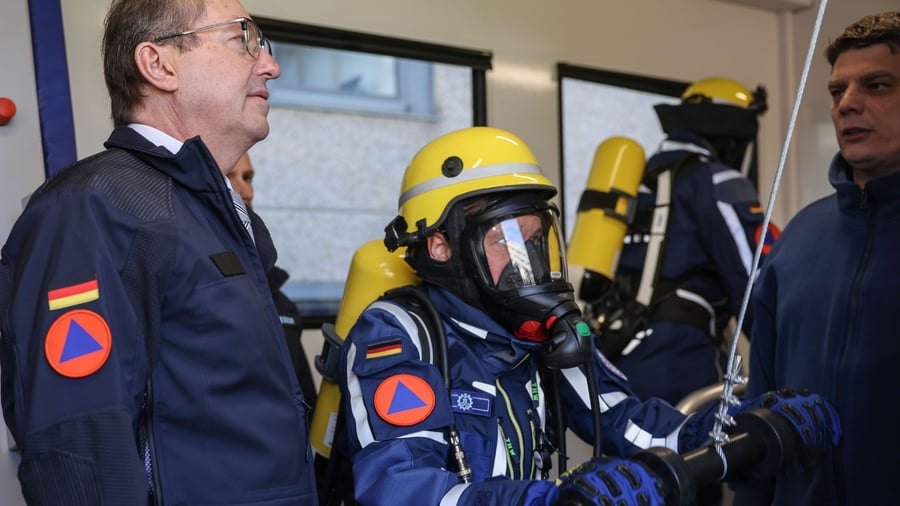
The management of healthcare and medical emergencies primarily falls under state jurisdiction. The association AFCEA Bonn serves as an exchange platform for dialogue among the German Armed Forces, security agencies, administration, academia, and industry. Some employers approached for the stocktake expressed concern that they cannot routinely inquire about which of their employees volunteer with the Technical Assistance Association (THW) or the fire department for emergency work.
They argue that companies need to know which employees could be called upon in a crisis situation. The THW law protects employees from negative consequences in their employment relationship due to their THW service or the service itself.
Written by urgent.news from Handelsblatt's reporting — not their text. Machine-written — may contain errors; check the original before relying on it.