Vance says Iran must cut nuclear enrichment to end war
US vice-president JD Vance says the US remains open to an agreement but requires concrete concessions from Iran on its nuclear programme.
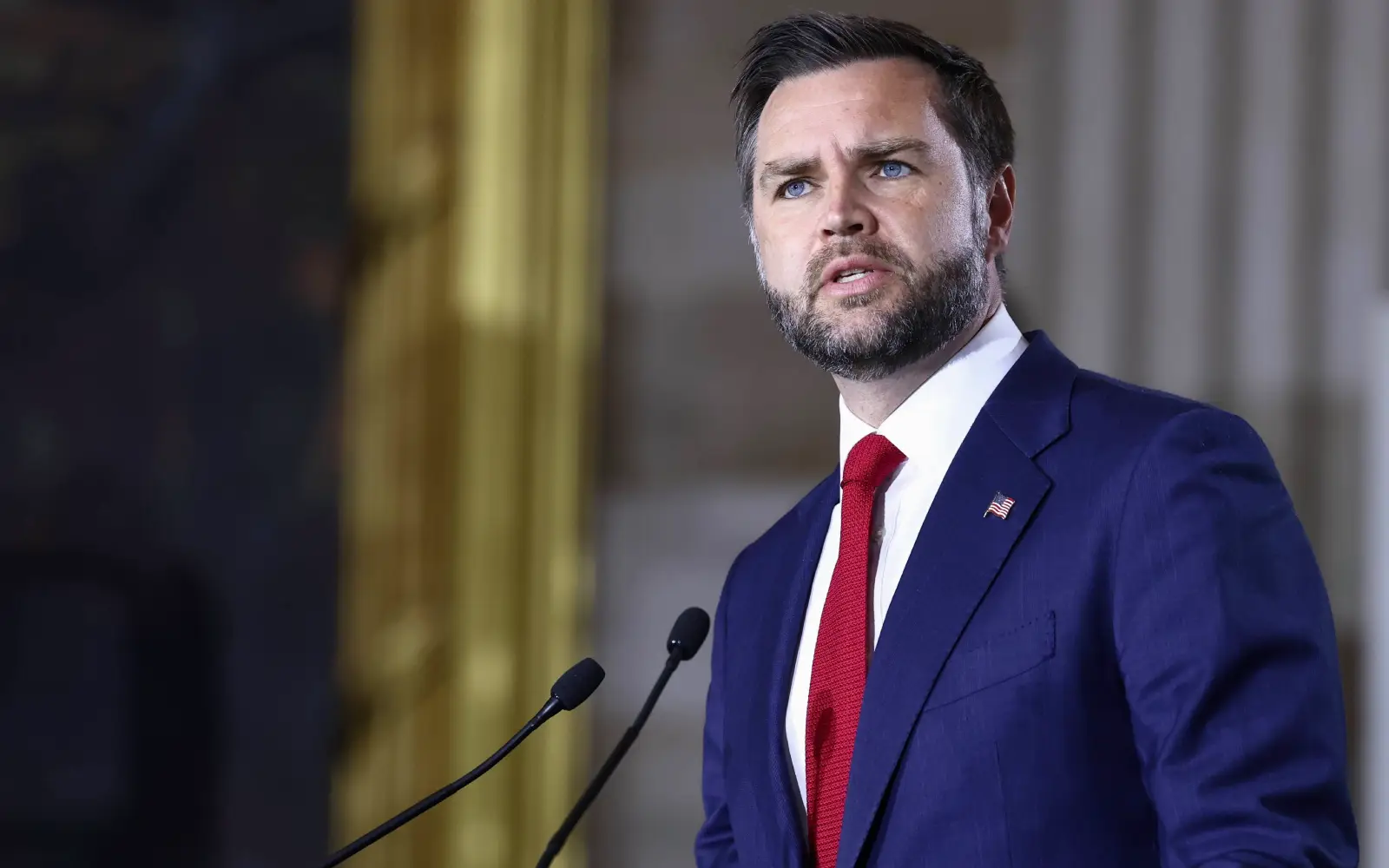
US Vice-President JD Vance has stated that Iran must make significant cuts to its nuclear enrichment capabilities in order to end the ongoing war between the two nations. During an exclusive interview with Reuters, Vance expressed uncertainty about how Iran's decision-making process functions in negotiations. The US vice-president, known for his skepticism towards US involvement in foreign conflicts, has been actively involved in negotiating a settlement to the conflict and brokered a provisional peace agreement in September, which ultimately collapsed.
The war has had a profound impact on global energy markets and has become a political liability for President Donald Trump and other Republicans ahead of the November midterm elections.
Vance emphasized that any potential agreement would necessitate Iran to reduce its nuclear enrichment capacity, rather than merely offering assurances of future nuclear drawdowns. He questioned the necessity of Iran maintaining a 60% enriched fuel level and argued that showing commitment to not building a nuclear weapon would require taking meaningful action on enrichment capacity.
Iran and the US have exchanged proposals in recent weeks to end the war and reopen the Strait of Hormuz, a crucial global energy shipping route. However, US President Trump rejected Iran's latest offer and has warned that military operations could intensify following the midterm elections.
Vance reiterated that the US is open to an agreement but insists on receiving concrete Iranian nuclear concessions. He acknowledged that the US is in talks with Iranian President Masoud Pezeshkian and Foreign Minister Abbas Araqchi, but admitted that it remains unclear how much authority these individuals hold within Iran's power structure.
The recent strikes conducted by the US and Israel at the beginning of the war, which resulted in the death of Supreme Leader Ayatollah Ali Khamenei, further complicates the situation. Vance highlighted that it is still uncertain how Iran's decision-making process works within its power structure.
Trump expressed his frustration with the lack of clarity surrounding Iran's leadership in a recent statement, suggesting that the common problem lies in the contradictory positions and mixed messaging from US officials. Vance confirmed that he has held personal conversations with field commanders to gain insight into battlefield conditions and dismissed concerns about critical munitions shortages.
He stated that while Iranian troops can occasionally strike commercial ships in the Strait of Hormuz, their ability to prevent energy exports through the waterway is limited.
The war, which has already cost the US $3 billion monthly, has become a critical issue in the upcoming midterm elections. Rising energy prices have put pressure on Trump and Republicans in competitive states that will determine the control of Congress. Vance has tried to mitigate criticism of Trump's handling of the conflict, urging voters to support Republicans in the elections without solely focusing on the war issue.
In Alaska, Vance campaigned for Republican Senator Dan Sullivan, who is facing a tough reelection battle against Democratic challenger Mary Peltola. Trump carried Alaska by 13 percentage points in 2024, but the state has become a potential swing state due to rising everyday costs.
Vance has refrained from making any definitive decisions about his future, including whether he will seek the presidency in 2028. He admitted to being a procrastinator and stated that he has not given much thought to the possibility.
Written by urgent.news from Free Malaysia Today's reporting — not their text. Machine-written — may contain errors; check the original before relying on it.
This story
This is one outlet's version. Read the fullest account.
- Vance says Iran must cut nuclear enrichment to end war freemalaysiatoday.com