US Vice President Vance says Iran must cut enrichment to end war
US Vice President JD Vance has said in an exclusive interview with Reuters that Iran must make a meaningful reduction in its nuclear enrichment capacity to satisfy US demands and end the country’s seven-month war, even as Washington was unsure how Tehran makes decisions in negotiations. Vance, a longtime sceptic of US involvement in foreign wars, has taken a leading role in negotiating a…
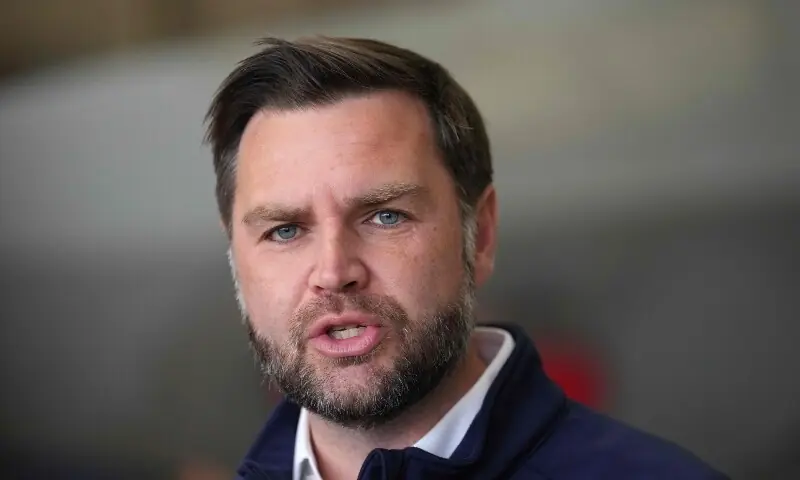
US Vice President JD Vance has insisted that Iran must significantly reduce its nuclear enrichment capacity to resolve the ongoing seven-month conflict and prevent further war. Vance, who has become a key negotiator in the dispute, appeared uncertain about how Iran's leaders make decisions within their complex political structure.
The war has disrupted global energy markets and become a political liability for President Donald Trump and fellow Republicans as they head into November midterm elections. Vance noted that any agreement would necessitate Iran to cut its nuclear enrichment levels, rather than merely assuring future nuclear restraint. "If you don’t want a nuclear weapon, then why do you need 60 per cent enriched fuel?
And if you want to show commitment to not building a nuclear weapon, don’t build highly enriched fuel. That’s a very basic threshold issue," Vance stated. Iran and the US have traded proposals in recent weeks to stop the war and reopen the strategically important Strait of Hormuz. However, Trump rejected Iran's latest offer and has threatened to intensify military operations after the midterms.
Vance emphasized that the United States remains open to an agreement, but insists on tangible Iranian concessions. Washington remains unclear about the decision-making process in Tehran, as Vance acknowledged. The US has been in discussions with Iran's President Masoud Pezeshkian and Foreign Minister Abbas Araghchi, but it remains uncertain how much influence they wield within Iran's power hierarchy.
Separately, Trump confessed that he is unsure who is running Iran. The Foreign Ministry spokesperson claimed that US officials know who their counterparts are and understand Iran's decision-making process, but said the issue lies in the contradictory positions and mixed messaging from US officials. Vance has personally spoken with field commanders to assess battlefield conditions, dismissing concerns over munitions shortages.
Iranian troops can occasionally target commercial ships in the Strait of Hormuz but are largely unable to prevent energy exports through the channel. Vance declined to confirm whether he is leading the peace talks, though he is regularly mentioned as the White House's primary negotiator. "We're certainly involved," Vance said. "Ultimately, the president of the United States is driving things."
The war's $3 billion monthly cost has become a crucial issue on the campaign trail, with rising energy prices putting Republicans on the defensive in competitive states. Vance has tried to downplay criticism of Trump's handling of the conflict and urged voters not to let this issue sway their decision on November's elections. As a potential Republican presidential candidate for 2028, Vance has not yet decided on his future plans, stating he is more of a "procrastinator."
Written by urgent.news from Dawn's reporting — not their text. Machine-written — may contain errors; check the original before relying on it.