University of Regina studies new concussion treatment option: CBD
Concerns about prevention and treatment of concussions have been growing within the last several years. Five to ten per cent of competitive student-athletes will sustain a concussion; this doesn’t include any undiagnosed head injuries. The University of Regina has been working to solve this issue since 2022, when $500,000 was received from the NFL to...
Concussion treatment research: University of Regina explores CBD options
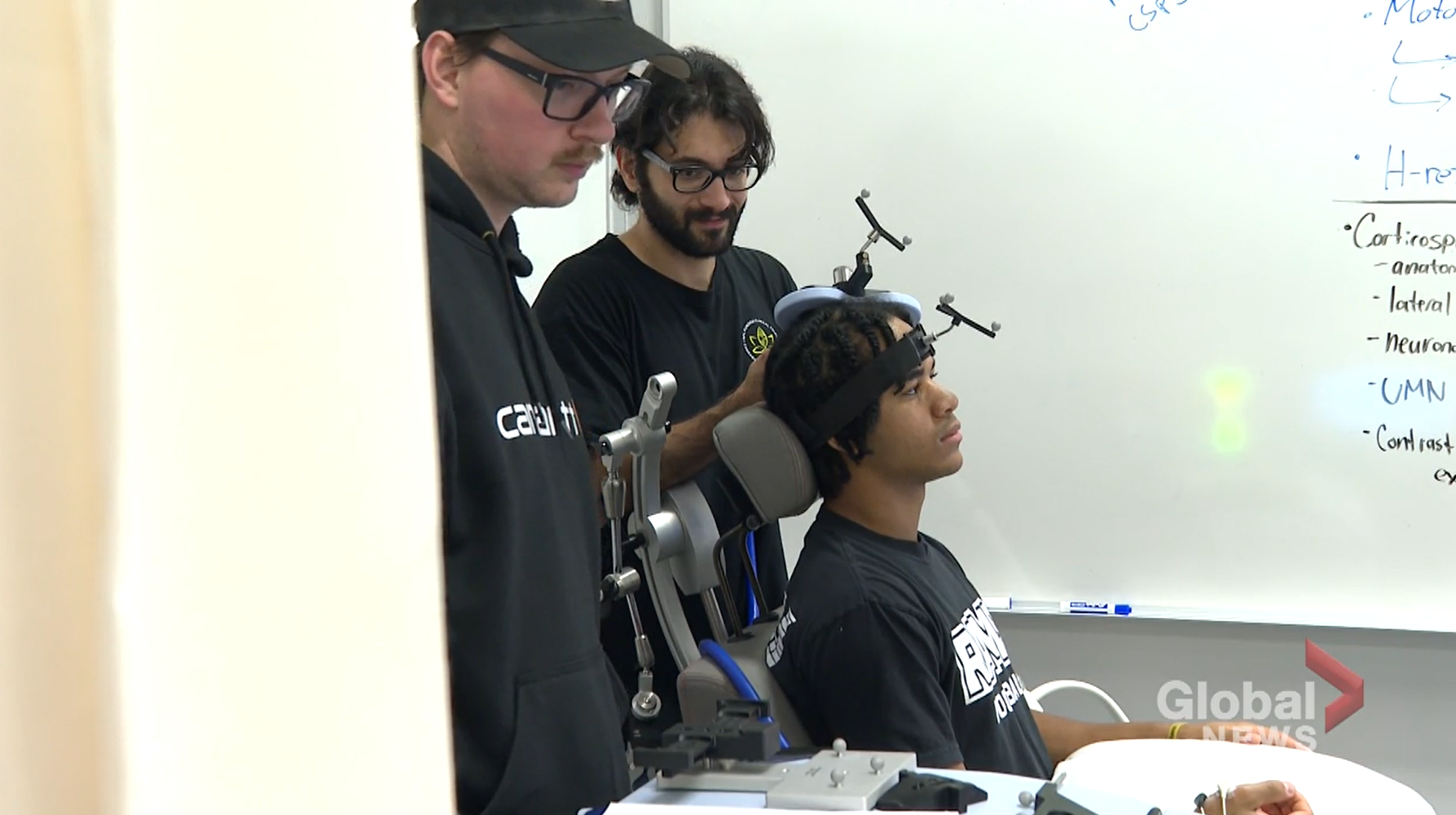
Concussion concerns have intensified in recent years, with five to ten percent of competitive student-athletes experiencing concussions in addition to undiagnosed head injuries. The University of Regina commenced a study in 2022, funded by the NFL, to investigate whether cannabinoids could serve as a safe pain management option for post-concussion syndrome athletes, instead of traditional opioid prescriptions.
Carter Ashman, a rookie on the Regina Rams, is a participant in the University of Regina's study. Ashman expressed hope that the research will lead to better concussion management in his sport, emphasizing the significance of the issue. PhD student Jamie White, who has been working on the study under the supervision of Dr. Patrick Neary for two years, highlighted the increasing interest in cannabinoids for human treatment.
White noted that prominent athletes in the NFL and NBA are also using cannabis, which has sparked a shift towards researching the scientific aspects of the treatment. However, a major concern is the misuse of CBD products, as they may contain trace amounts of THC, an illegal substance under the World Anti-Doping Agency (WADA) regulations. USports does not test for THC, but athletes representing Canada cannot use CBD due to potential cross-contamination.
Kevin Bean, Executive Director of Canada Sport Integrity, stressed the importance of educating athletes about the risks associated with THC consumption, despite advocating for the substance's removal from the prohibited list. Bean indicated that the organization has been lobbying for this change, but the decision lies with the World Anti-Doping Agency, which currently maintains the prohibition.
White echoed Bean's concerns, emphasizing the necessity for athletes to understand the effects and potential benefits of cannabinoids, as well as how to avoid misuse. The field of cannabis science is still emerging, and there is insufficient consistent research to draw definitive conclusions about the effects and benefits of cannabinoids in sports and healthcare.
Written by urgent.news from Global News's reporting — not their text. Machine-written — may contain errors; check the original before relying on it.