Ukraine showed deep-strike drones must work offline. NATO's interested in cheap versions that can swarm airfields.
NATO recently hosted a challenge for defense firms to present systems that can be used to deny enemy airfield operations.
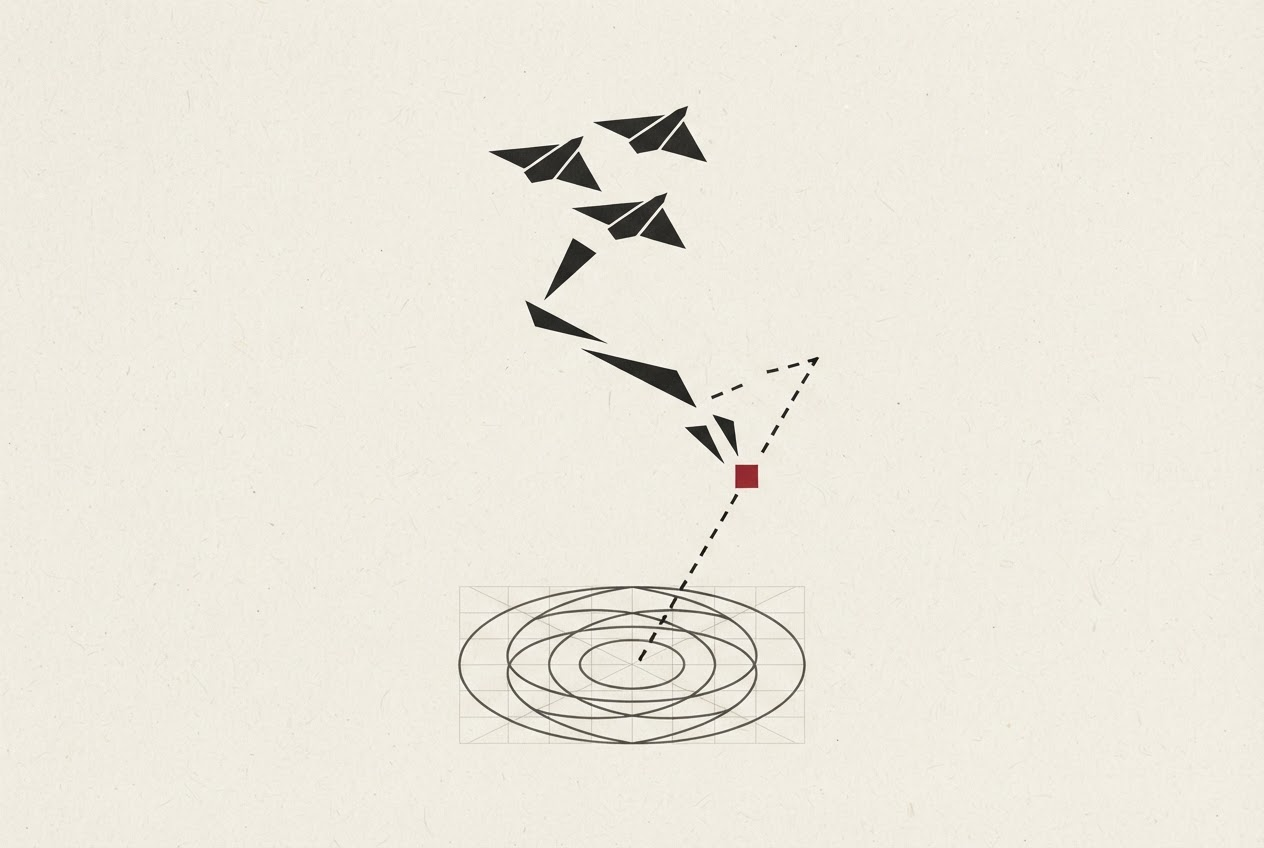
A Czech defense firm recently won a NATO Innovation Challenge by demonstrating that its long-range drones can operate effectively in electronic warfare conditions. Ukraine has successfully employed these MTS-40 drones to strike targets inside Russia at a cost of $90,000 each. The drones utilize artificial intelligence for autonomous flight and optical navigation to cover over 180 miles across the border.
NATO recently initiated a challenge asking Ukrainian and Western firms to showcase how their strike weapons could swarm enemy airfields, preventing enemy operations. The ability to penetrate enemy jamming environments is seen as crucial for modern battlefield weapons. NATO's Innovation Challenge, the first focused on strike capabilities in nearly a decade, emphasizes the need for affordable, scalable, and resilient systems to affect military infrastructure and strengthen deterrence.
The three finalists include LPP Holding's MTS-40 drone, Poland's Supercluster high-altitude balloon, and an unnamed Ukrainian company with an AI-based autonomy system. LPP's long-term goal is to scale up manufacturing and secure deals with NATO militaries, further developing a cruise missile powered by a turbojet engine capable of operating in GPS-denied environments.
Written by urgent.news from Business Insider's reporting — not their text. Machine-written — may contain errors; check the original before relying on it.
Also reported by 3 other outlets
- Russia’s jet drones fly near 600 km/h now. Ukraine is building simulators for the 900 km/h ones it expects next euromaidanpress.com
- EU provides Ukraine 1.2 billion euros for drones and missiles kyivindependent.com
- Unmet EU reform requirements cost Ukraine about 5 billion euros, Zerkal says english.nv.ua