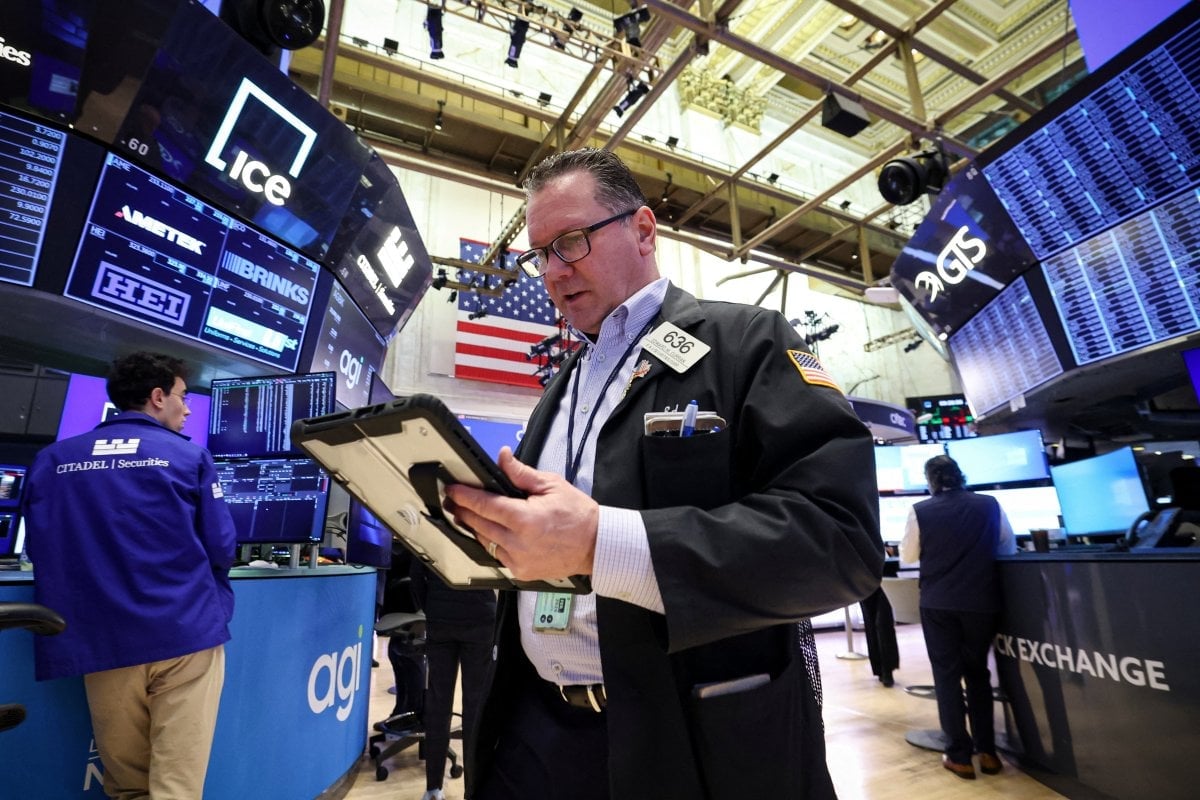
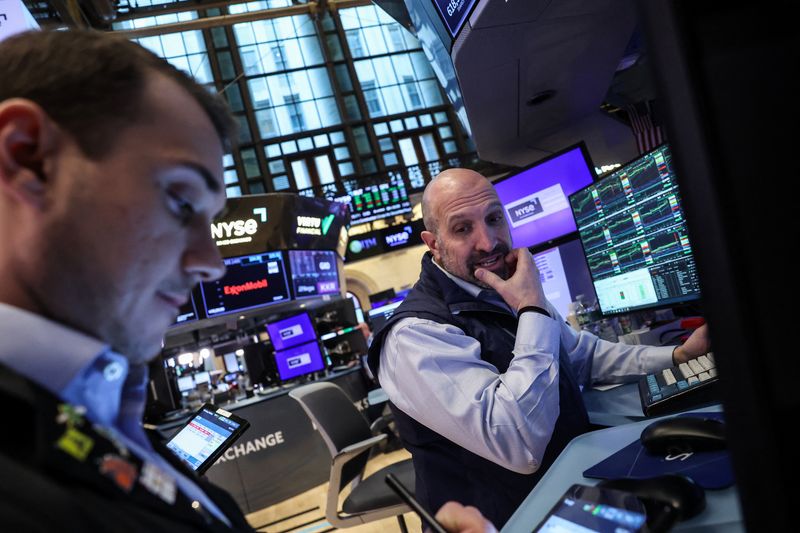
U.S. equities tumble while Treasury yields push higher
US Treasury yields surged on Wednesday, reaching 24-year highs of 5.35% for the 10- and 30-year bonds. This surge indicates that investors are seeking a greater premium on US debt due to concerns over inflation and fiscal policy. The 10-year Treasury yield increased by more than three basis points to 5.31%, boosting the value of the US dollar.
The US Dollar Index gained over 0.47%, reaching 102.32, just short of its year-to-date high of 102.53. The Dollar is currently the strongest currency, followed by the Yen and Swiss Franc, while the Euro is struggling amid fiscal concerns in France. Investors are closely monitoring the release of the Federal Reserve's latest minutes from their September meeting.
It's worth noting that the 10-year bond auction is set to take place, where the US Treasury plans to sell $39 billion in 10-year notes. The yield on the US 10-year T-note has risen by over 60 basis points since the end of July, coinciding with the resumption of hostilities in the Middle East. At present, market expectations suggest that the Federal Reserve will maintain interest rates steady at the October meeting, with only a 18% chance of a rate hike.
However, the likelihood of a rate hike in December remains at 85%, according to Prime Terminal. Interest rates, which banks charge borrowers and pay to savers, are influenced by base lending rates set by central banks to maintain price stability, typically targeting an inflation rate of around 2%. If inflation falls below this target, central banks may lower rates to stimulate lending and boost the economy.
However, if inflation rises significantly above 2%, central banks often raise rates to curb inflation. Higher interest rates generally strengthen a country's currency as they make it more attractive for global investors. Higher interest rates also weigh on the price of gold, as they increase the opportunity cost of holding gold instead of investing in interest-bearing assets or placing money in the bank.
The Fed funds rate is the overnight rate at which US banks lend to each other, set by the Federal Reserve at its FOMC meetings. Market expectations for future Fed funds rates are tracked by the CME FedWatch tool, affecting how financial markets behave in anticipation of Federal Reserve monetary policy decisions.
Rewritten by urgent.news; may contain errors — check the original.
This story
This is one outlet's version. Read the fullest account.