Turning the tide on Massachusetts shellfishing data
MIT researchers built a cloud-based platform to help Massachusetts coastal towns and the state manage shellfishing closures, giving thousands of permit holders a clearer view of where they can fish.
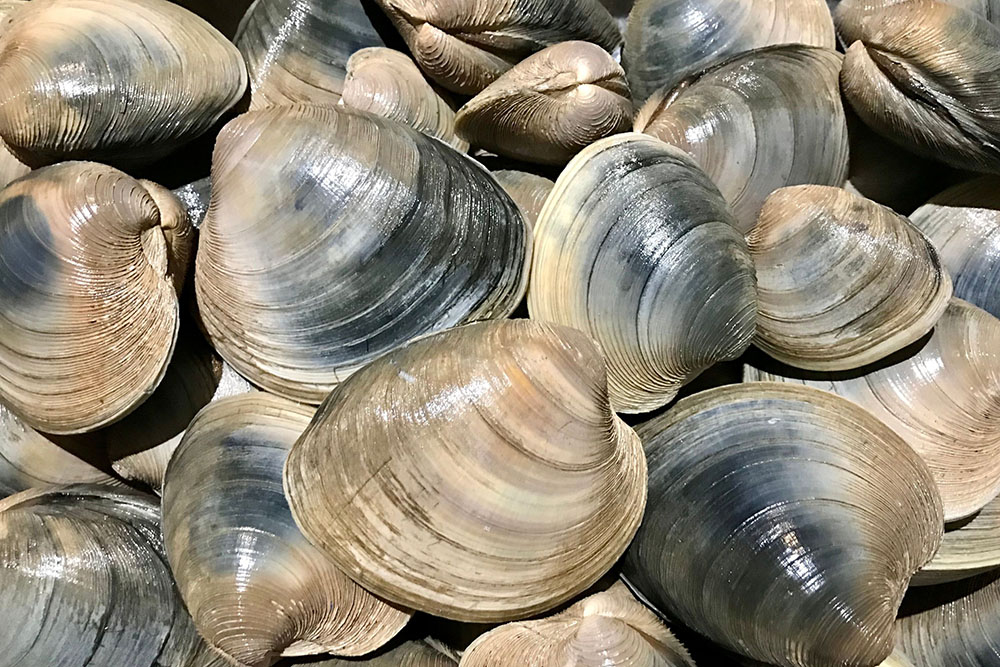
For years, Massachusetts shellfish wardens had to rely on outdated methods to determine whether to close shellfishing areas based on rainfall. This led to inefficient communication and limited access to real-time data. In 2020, MIT Sea Grant researchers started working on a solution, initially focusing on shellfish restoration data scattered across various sources.
They soon realized the need for a centralized system to manage and share information about shellfishing areas, an issue that became particularly critical during the Covid-19 pandemic when demand for recreational shellfishing surged. With support from MIT's Abdul Latif Jameel Water and Food Systems Lab, the researchers developed a web-based platform called Seashell.
This system uses big data, natural resource management, and the blue economy to streamline shellfishery management, food safety, and coastal economies. Seashell integrates data from various sources, including NOAA tide stations, satellite feeds, local weather networks, and DMF's own GIS, and is designed to be easily scalable and exportable.
The system was built collaboratively with Massachusetts towns, including Falmouth, Mashpee, and Nantucket, to ensure it meets the actual needs of the users. Towns and stakeholders were involved in shaping every aspect of the platform, resulting in a user-friendly interface that provides essential information such as whether an area is open, tide levels, and water temperature.
By addressing the limitations of the old system and incorporating real-time data, Seashell aims to improve shellfish safety, support local food security, and enhance the overall efficiency of shellfishing management in Massachusetts.
Written by urgent.news from MIT News Research's reporting — not their text. Machine-written — may contain errors; check the original before relying on it.