Trump’s $70,000 OPT fee proposal for international students explained: What is OPT and who will bear the cost?
DHS says the move is aimed at tackling fraud and abuse, strengthening the integrity of the immigration system and protecting US workers.
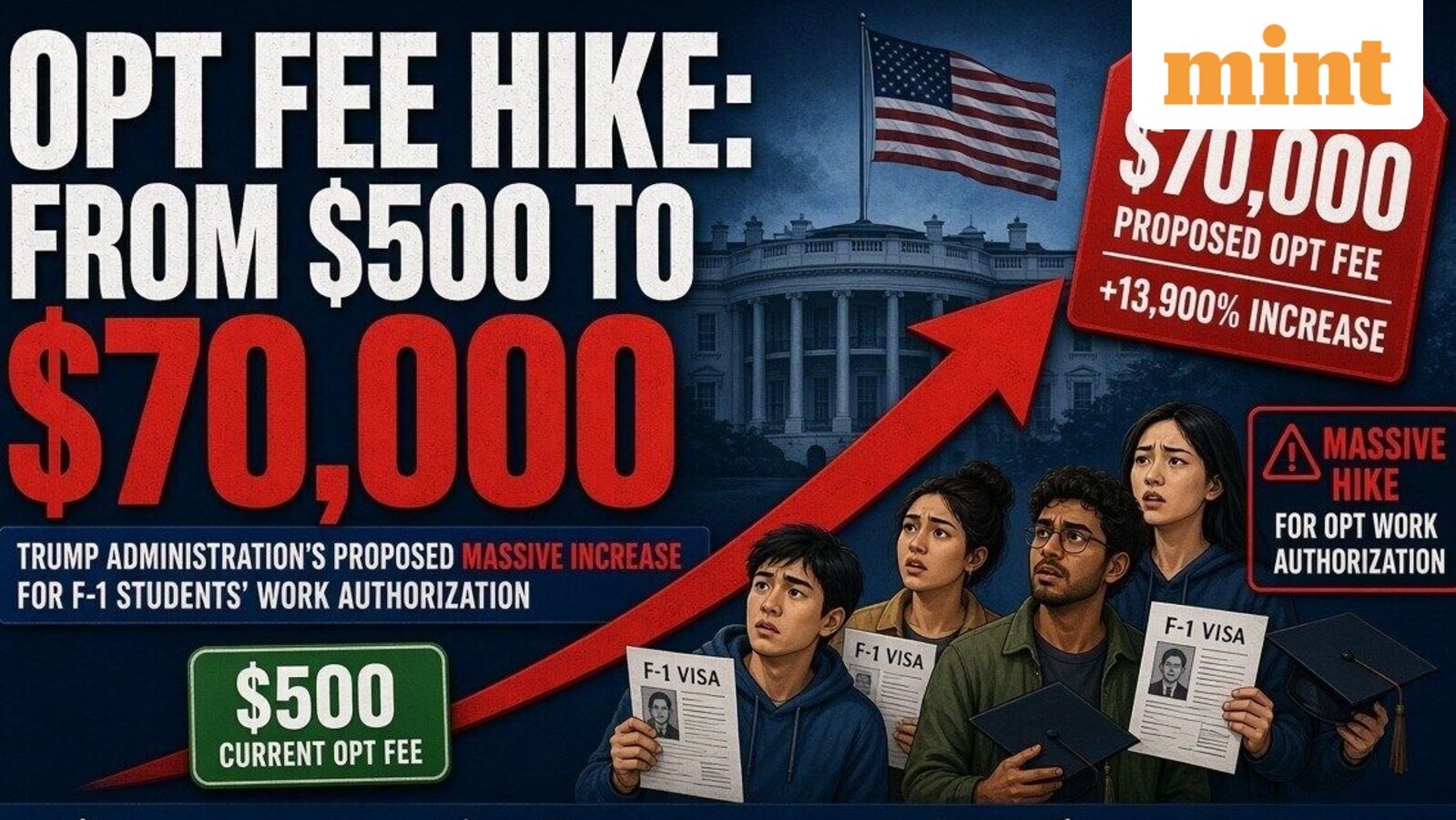
The Trump administration has proposed a $70,000 fee for initial Optional Practical Training (OPT) for international students in the United States. This proposal, announced by the US Department of Homeland Security (DHS), aims to address fraud and abuse, enhance the immigration system's integrity, and safeguard US workers. This analysis breaks down what the proposed fee entails, the OPT program's purpose, and the potential impact on students, employers, and institutions.
Optional Practical Training (OPT) is a temporary employment program designed for eligible F-1 international students studying in the U.S. OPT allows students to work in a field directly related to their major or field of study, bridging the gap between academic education and practical experience. Students can pursue OPT before completing their degrees or after graduation, with up to 12 months of OPT permitted at each educational level.
STEM graduates can even extend their OPT by an additional 24 months, potentially enabling them to remain authorized to work in the U.S. for a more extended period post-graduation.
Currently, F-1 students face a modest $500 fee for OPT, making the proposed $70,000 fee 140 times higher than the current amount. This significant increase presents a substantial financial burden for students seeking additional work training. The proposed fees would apply to both initial and subsequent OPT, creating an even greater financial challenge for students.
The DHS contends that these proposed fees are essential to combat fraud and abuse, strengthen the immigration system, and protect US workers. They have raised concerns about the misuse of the OPT program and the exploitation of certain arrangements by employers and institutions. The department argues that the higher fees would incentivize schools to exercise greater oversight before recommending students for OPT, thereby ensuring that the program is utilized appropriately.
However, the proposed fee's financial impact may ultimately extend beyond students. The fee would require SEVP-certified schools to pay the charge before their designated school official recommends an F-1 student for OPT. This financial burden could ultimately be absorbed by educational institutions, students, and employers, depending on how the costs are managed.
The proposed rule is currently subject to a 30-day public comment period before DHS can finalize it. If finalised, the rule would take effect 60 days later, providing schools, students, and employers with time to adapt to the new requirements.
Written by urgent.news from Live Mint's reporting — not their text. Machine-written — may contain errors; check the original before relying on it.