Trabajo da el primer paso para subir el salario mínimo antes de las elecciones generales
Yolanda Díaz convoca la comisión de expertos este jueves que recomiende una nueva cifra, el paso previo al diálogo con sindicatos y patronales
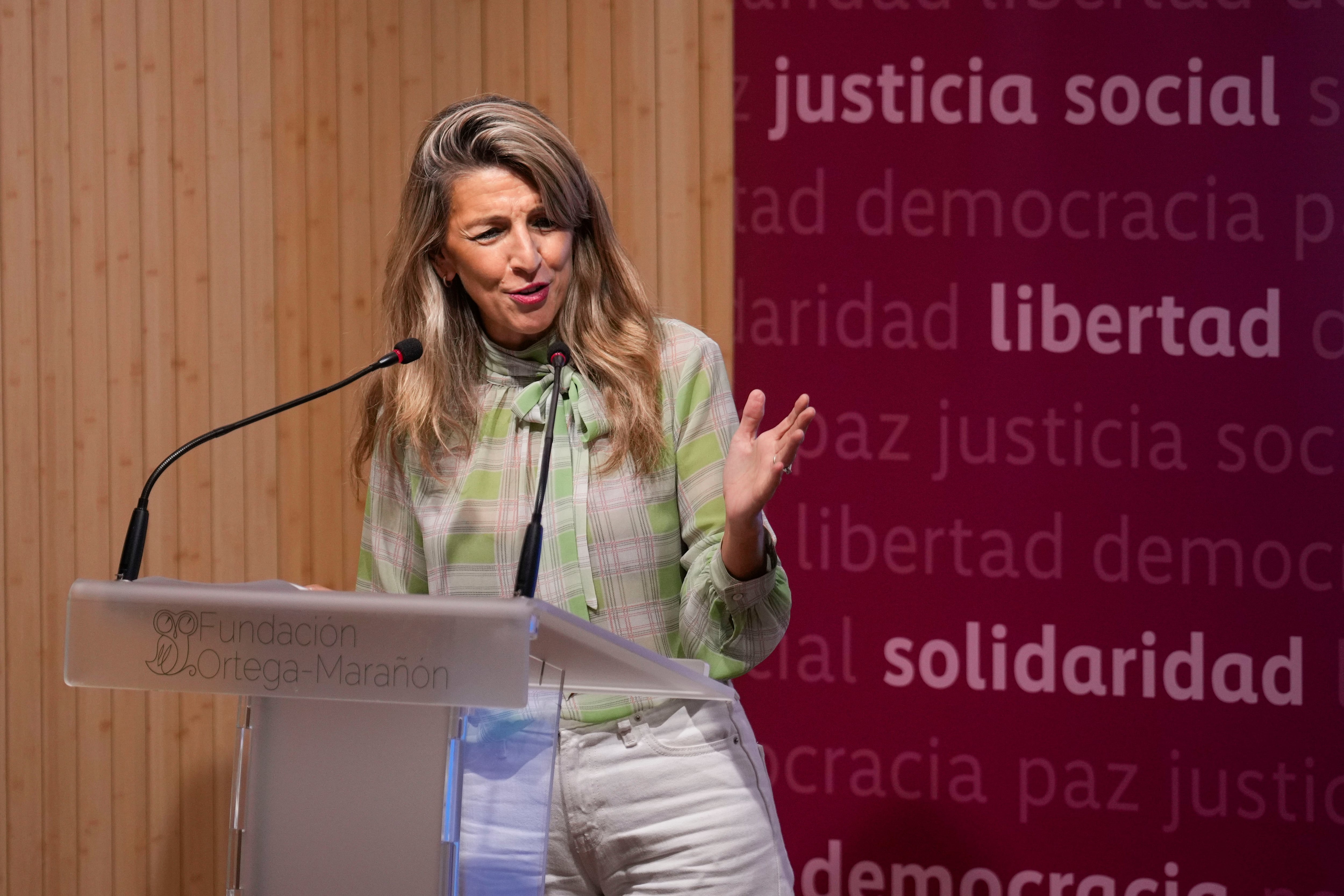
The Ministry of Labor announced on Wednesday that Vice President and Labor Minister Yolanda Díaz will chair the first meeting of the Advisory Commission for the Analysis of the Interprofessional Minimum Wage (SMI) on Thursday. The commission comprises experts who recommend how much the minimum wage should increase to maintain its purchasing power and align with 60% of the net average salary.
This is a preliminary step in negotiations with unions and employers following the general elections on November 29. The Ministry, led by Díaz, aims to raise the minimum wage floor for 2027 before the elections. The current minimum wage is 1,221 euros gross per month, paid in 14 installments, a 3.1% increase from 2025. This rise amounted to 37 euros per month, resulting from an agreement between the Ministry of Labor and unions CCOO and UGT.
The increase was rejected by business associations CEOE and Cepyme, like most of Díaz's wage hikes since becoming minister. Only the initial increase in 2020, from 900 to 950 euros, received their approval. Since Pedro Sánchez became president, the SMI has grown by 66%, from 736 to 1,221 euros. Over the same period (to 2025), prices have risen by 23%, leading to a 40-point gain in purchasing power for the minimum wage.
The latest data from the National Institute of Statistics, from September, shows a 4.9% price increase. If the advisory commission issues a recommendation before the elections, the last inflation data will likely be the advance of October 30, which will likely be higher than the 3.1% average rate according to the latest record. If Labor decrees the minimum wage increase in October or November, it will be much earlier than in recent years.
Historically, this has typically been done in February. Anticipating a pre-election increase due to the election is likely to be criticized by the right and business associations. Unions have been urging Labor to raise the minimum wage this year, rather than waiting for the 2027 increase, given the surge in inflation. Although Díaz's department was initially receptive to the idea, the acceleration of prices in the final months of the year has closed that door, with the warning that they will consider the inflation rate from these months for the 2027 increase.
The last wage hike agreement included a promise from the government to the unions, which is long overdue: to prevent companies from absorbing the SMI increase through the elimination of salary bonuses. The unions signed the previous increase, conditioned to this, but the government insisted they would undertake this change via decree, without parliamentary approval.
The reform still needs to be developed. Unions expect Díaz to not only approve this change but also transfer the reinforcement of the hourly record to the Official Bulletin of the State before the elections. They consider this modification as crucial as the minimum wage increase, and without it, they will not engage in further negotiations with the government.
Rewritten by urgent.news; may contain errors — check the original.