Tiruppur Kumaran: a sacrifice that defied the British Raj
A young man, who fell victim to the police brutality on January 10, 1932, went on to become a symbol of those who laid down their lives for the sake of political freedom of their fellow countrymen.
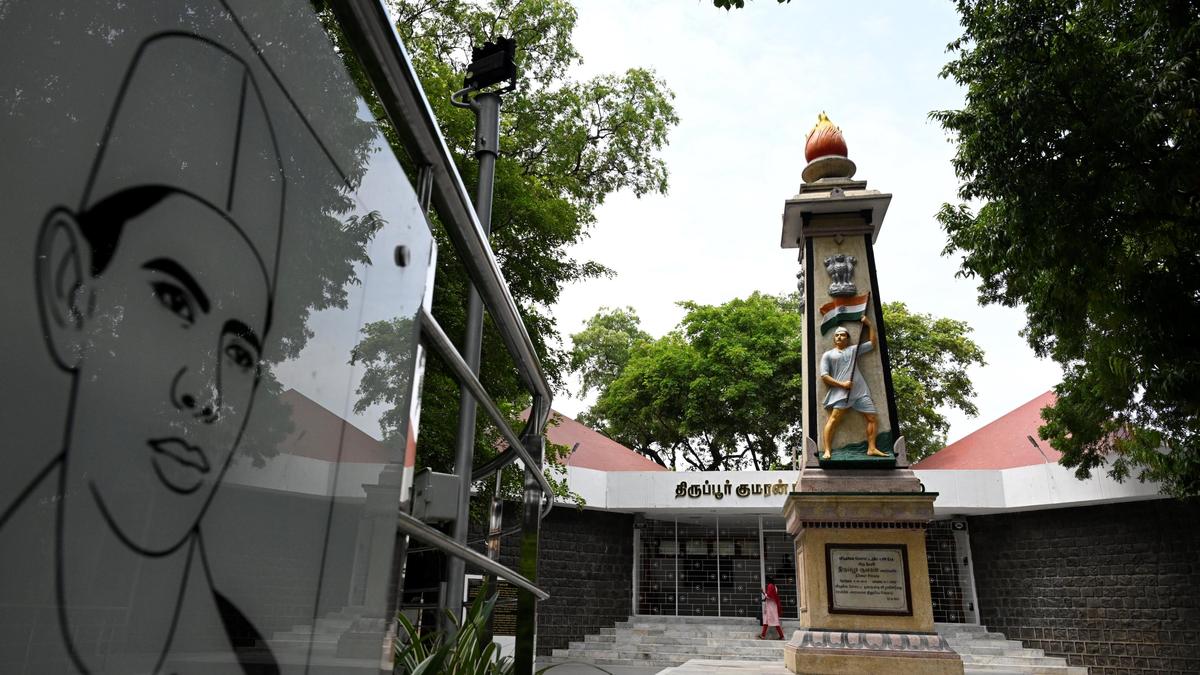
The year 1932 began with ominous news for the freedom fighters of the struggle against the British Raj. With the onset of the Great Depression, a new "national" government took charge in London in August, featuring Ramsay MacDonald and his Labour Party. The Congress, however, faced severe criticism and repression, culminating in the arrest of its leaders, including Gandhi, Nehru, and Rajendra Prasad.
In Tiruppur, Tamil Nadu, the spirit of defiance remained strong among satyagrahis who protested against the use of foreign cloth and liquor. Among them was N. Kumarasami, also known as Tiruppur Kumaran, a young man who held the national flag high despite the brutal attacks of the police. This act of courage led him to be hailed as "Kodi Kaatha Kumaran" (the flag protector).
Born in Chennimalai in 1907, Kumarasami was a weaver by trade and a firm believer in the national movement from a young age. Despite being married and having a mother as his sole support, he continued to participate in protests, including the Salt March in 1930. On the tragic day of January 10, 1932, Kumarasami was among the first to be attacked by the police, suffering a severe brain injury while holding the flag.
Another satyagrahi, R. Raman Nair, also lost his life in the incident. The bravery of Kumarasami and Nair became symbols of the fight for political freedom, etching their names in history as martyrs for the cause.
Written by urgent.news from The Hindu's reporting — not their text. Machine-written — may contain errors; check the original before relying on it.