The War in Iran Will Make It Harder for Americans to Stay Warm This Winter
With no end to the war in sight and an approaching winter that will see a rise in energy demand and costs, policymakers need to move quickly to offer relief to families, writes Sanya Carley.
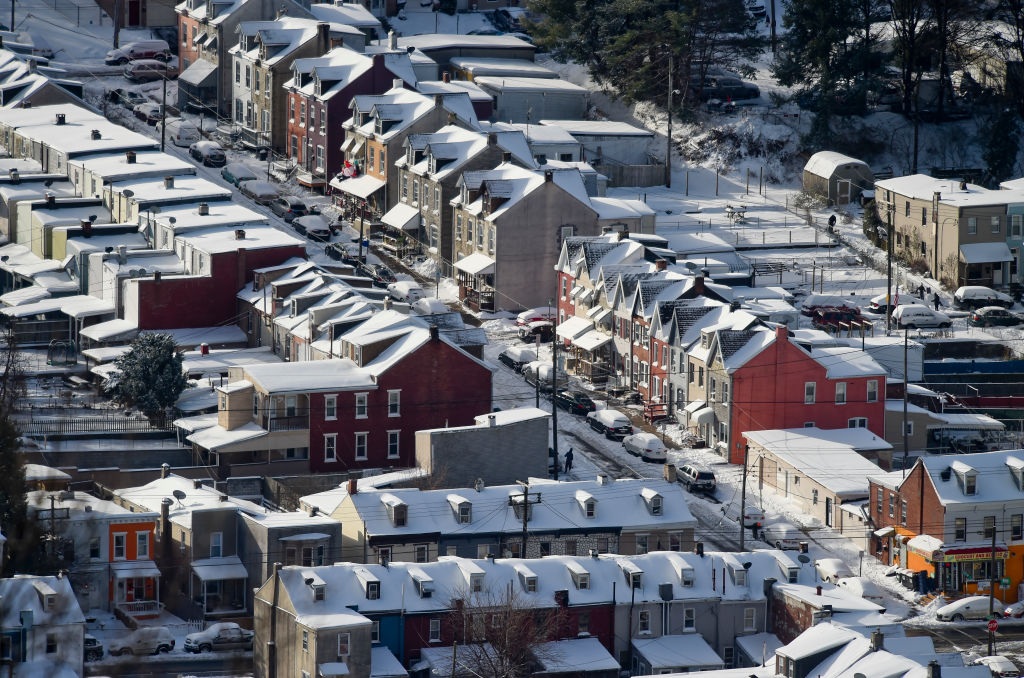
As the ongoing conflict with Iran persists and winter approaches, low-income families across the United States face potential financial strain due to increased utility bills for home heating. Gas prices have risen significantly, with a full 14-gallon tank costing about $62 compared to $44 a year ago, leading to additional annual costs of roughly $912 if the price gap remains unchanged.
However, the impact extends beyond gasoline prices, as the war in Iran is also causing heating costs to soar. The National Energy Assistance Directors Association projects home energy costs to rise by 8.7% this winter, more than double the current inflation rate of 3.4%. Approximately 5 million households, primarily in the Northeast, rely on heating oil, and if families have noticed a substantial increase in their bills over the past five years, they are correct.
Energy costs have already risen nearly 30% on average since 2021, and heating oil prices are expected to increase by over 31% this winter due to the sharp rise in prices caused by the war in Iran. Families already struggling to make ends meet will face the most significant financial burden, potentially being forced to make life-or-death decisions.
Cold homes can elevate blood pressure, and increase the risk of heart attacks and strokes, particularly among older adults. Furthermore, higher oil prices affect various sectors of the economy, leading to increased costs for groceries, clothing, and household essentials. A recent poll conducted by CNBC found that 63% of U.S. adults are living paycheck-to-paycheck, and for households already stretching every dollar, there may be no room left for discretionary spending.
When families cannot afford heat, they are forced to make dangerous compromises, such as keeping their homes uncomfortably cold or using unsafe methods like running space heaters, burning trash, or sitting in running cars in enclosed spaces. These choices can expose families to serious harm. In a study conducted during the first year of the pandemic, more than half of low-income households employed survival-focused strategies to stay warm.
Some resort to dangerous methods to keep themselves and their families warm, while others may take on debt or forgo medical care or food to pay their bills. These actions can have long-lasting consequences, as debts incurred during a period of high energy costs will need to be repaid with interest and fees, leaving less money available for other necessities or emergencies.
Utility disconnections may also occur once winter protections no longer apply. The war in Iran is expected to intensify these hardships, as households have limited control over their heating systems, and many cannot afford upgrades or replacements. The situation is further compounded by the fact that more than three-quarters of Americans believe the war is not worth the financial burden it is causing.
Families struggling to afford energy bills may receive relief through government programs like the Low Income Home Energy Assistance Program, but currently, this program only reaches a small fraction of those in need. As the war continues and the approaching winter brings higher energy demand and costs, policymakers must take immediate action to provide relief to families.
Americans deserve solutions that account for future challenges and include diversifying energy sources, so that no future conflicts or shocks to fossil fuel supplies can jeopardize the United States' ability to afford necessities.
Written by urgent.news from Time's reporting — not their text. Machine-written — may contain errors; check the original before relying on it.