‘The secret world of secondaries’: How a niche area of finance is emerging as a new liquidity engine in the Gulf
As global and regional liquidity tightens, a nascent Gulf secondary market is giving investors, founders, and early backers a new route to monetisation
The Gulf's secondary market has been steadily evolving into a vital liquidity conduit for investors amid the slowdown in traditional exit options like IPOs. This market involves the buying and selling of pre-existing investments in private equity and venture capital funds, making it difficult to track due to its private nature. Bloomberg's electronic markets data shows a significant uptick in Gulf secondary-market activity, growing from $22 billion in 2022 to $40 billion in 2025, while issuance rose from $246 billion to $452 billion over the same period.
Trade sizes have also increased, from around $500,000 to $900,000. Kholoud Alharbi, a senior partner at Endeavor Saudi Arabia, explains that secondary transactions have been occurring for some time, but many have been overlooked in traditional exit data. The region's startups have raised $3.8 billion across 688 deals in 2025, a 74% year-on-year increase, according to Magnitt.
However, the average time between VC investments and exits has expanded to six years in MENA, suggesting a need for more patient capital. M&A remains the main exit route, with 46 deals across the Middle East last year, while technology IPOs are scarce due to high profitability requirements. This liquidity gap is driving the emergence of specialized secondary funds to provide earlier liquidity and reduce longer exit horizons.
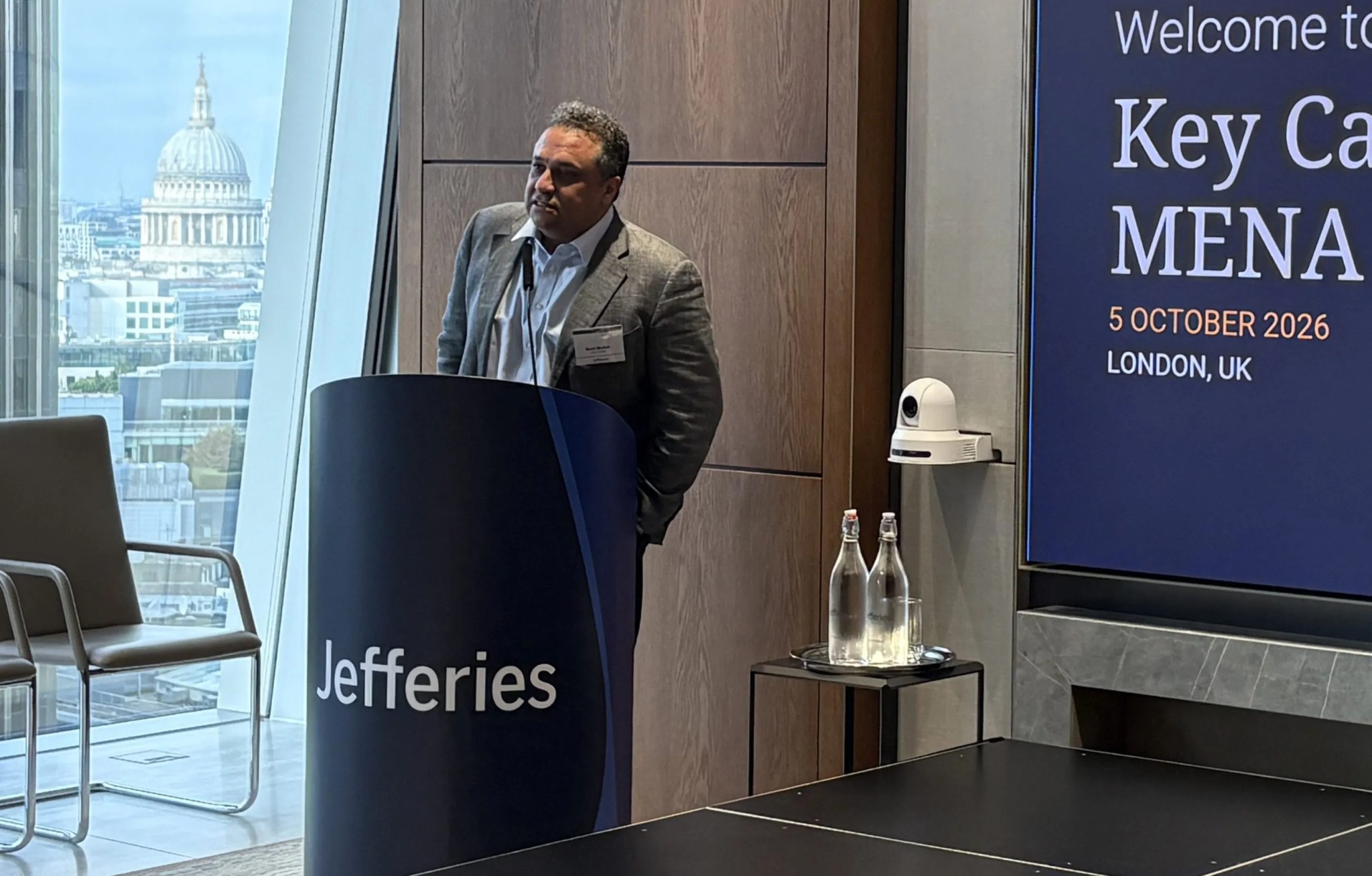
Basil Moftah, co-founder of Key Capital, an Abu Dhabi-based VC secondaries asset manager, launched the fund to address this gap. Key Capital has entered a partnership with SHUAA Capital to promote the VC secondaries market across MENA and EMEA. The fund targets high-growth technology companies, investing in secondary stakes directly from current shareholders, bypassing the company's capitalization table.
Moftah says the company is focusing on the UAE and Saudi Arabia, with fintech being the most sought-after sector, and prefers companies with a revenue of over $25 million, ideally up to $100 million, and a growth rate of 30% to 50% year-on-year. These companies may not yet be profitable but are expected to become profitable soon and hold leading positions in their sectors.
Key Capital benefits from purchase discounts averaging 35% to 45% to net asset value, compared to 5-15% for high-quality buyout funds in the U.S. The fund is attracting interest from Gulf sovereigns, institutional investors, and family offices, many of whom have already invested in U.S. secondaries.
Written by urgent.news from Fortune's reporting — not their text. Machine-written — may contain errors; check the original before relying on it.