The monsoon is not the solution — Vasanthi Ramachandran
OCTOBER 7 — The haze began on August 1. On September 4, Serian, Sarawak recorded an Air Pollutant Index of 519, pr...
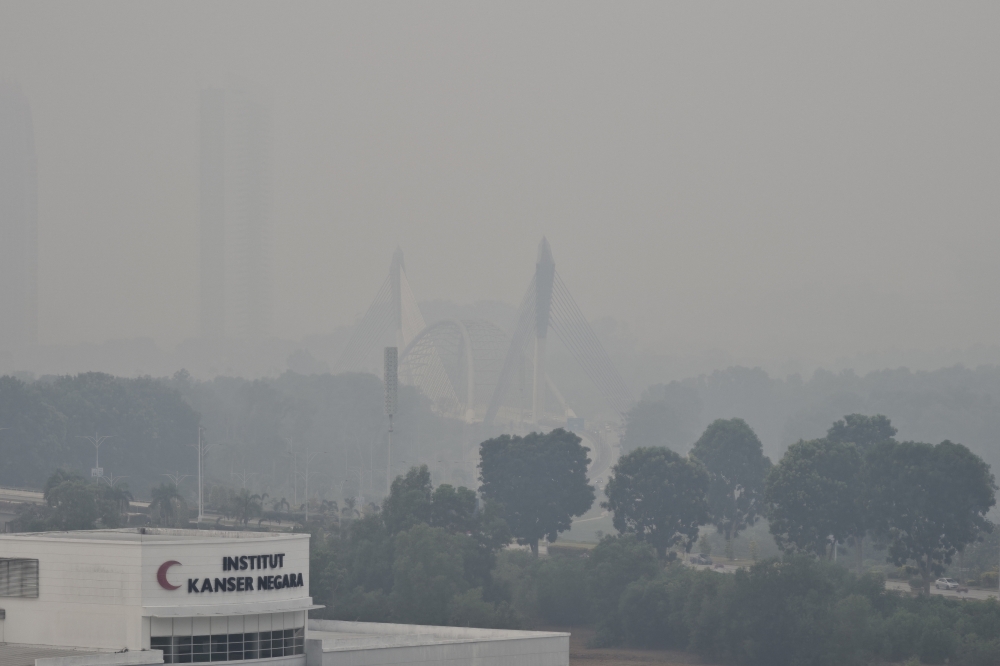
On October 7, Malaysia faced the recurring issue of transboundary haze, with Putrajaya once again bracing for the monsoon as a potential relief. The haze, originating primarily from fires in Indonesia, poses a significant challenge to regional cooperation and accountability. Despite numerous agreements and commitments, the problem persists, revealing a fundamental challenge in obtaining evidence across sovereign borders.
The Asean Agreement on Transboundary Haze Pollution, signed in 2002, has yet to produce a consistent solution. While all member states have ratified the agreement, its effectiveness remains limited due to jurisdictional constraints. Malaysia and other Asean countries grapple with proving the origin of fires, identifying responsible entities, and implementing effective enforcement measures.
Indonesia's role in addressing the haze problem is complex and requires careful consideration. While the country has taken action against fires and suspected offenders, the scale and complexity of the issue involve various factors, including peatlands, land-use practices, and prolonged dry conditions. Establishing accountability for a specific company behind a fire often demands evidence that lies outside Malaysia's jurisdiction.
The recurring haze crisis underscores the need for enhanced collaboration and a more robust legal framework. Malaysia is exploring Singapore's Transboundary Haze Pollution Act as a potential model and has established a special committee to bolster its response to transboundary haze. Additionally, proposals for a regional Sustainable Haze Fund are being discussed, with further deliberations anticipated at upcoming Asean meetings.
However, the real challenge lies in translating cooperation into a system that can effectively prevent fires, establish responsibility, and deliver accountability when air pollution transcends borders. While Malaysia recognizes the gap between rhetoric and action, the onus remains on national authorities to lay the groundwork before the next episode of haze. The clear months should be dedicated to preparation, monitoring, data sharing, and preserving evidence to strengthen the region's collective response.
Written by urgent.news from Malay Mail's reporting — not their text. Machine-written — may contain errors; check the original before relying on it.