The future of ‘wayang kulit’ hinges on preserving tradition while embracing change
KOTA BHARU, Oct 8 — The story of a Kelantan Peranakan Chinese family preserving the heritage of wayang kulit, the...
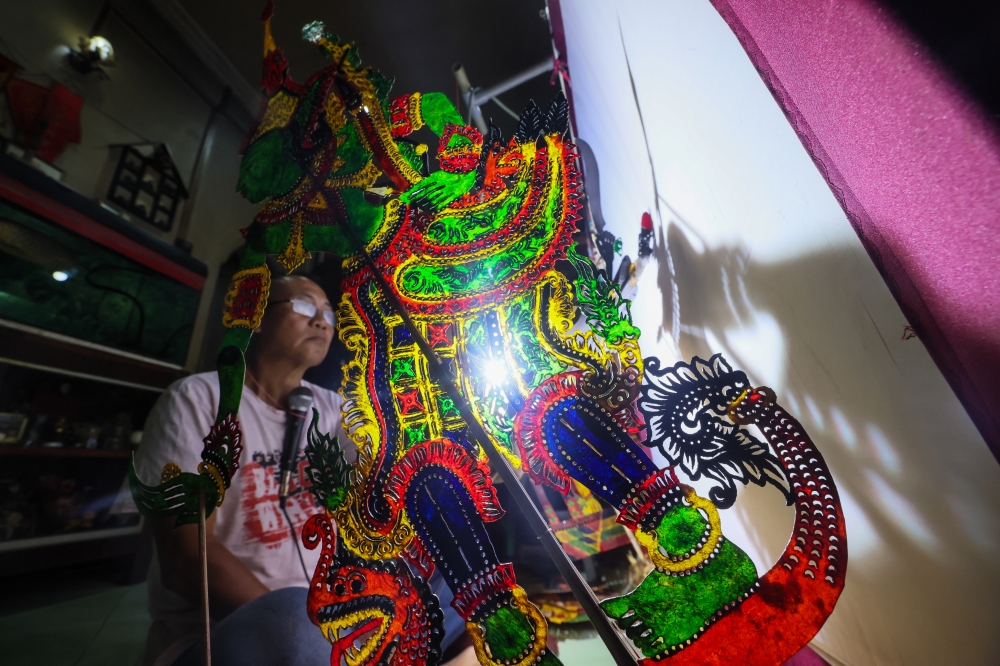
The future of the traditional art of wayang kulit in Malaysia hinges on striking a balance between preserving its rich heritage and embracing necessary changes. This delicate task involves keeping the art form alive in a rapidly evolving world that is increasingly reliant on technology, shifting lifestyles, and changing preferences of younger generations.
Mohd Aswawi Isa, a senior lecturer at Universiti Malaysia Kelantan’s Faculty of Creative Technology and Heritage, emphasizes that wayang kulit should not be seen solely as entertainment. Instead, it is a cultural repository that encompasses music, carving, language, storytelling, and Malay community culture. To survive, wayang kulit needs to be preserved and strengthened in line with contemporary needs, he argues.
In the past, wayang kulit performances brought communities together as villagers worked collectively to build performance spaces and prepare food. However, this spirit of togetherness has faded as society becomes ever more detached from traditional culture, according to Mohd Aswawi.
The biggest challenge facing wayang kulit, he says, is not just the lack of young practitioners but also the negative perceptions among certain sections of society. Some believe wayang kulit has no future, is a waste of time, and cannot provide a sustainable livelihood. Others even consider the traditional art to be haram (forbidden under Islamic law) for religious reasons.
Such perceptions have caused practitioners to become disheartened and abandon the art altogether, although it is not considered haram as long as performances adhere to Syariah principles and do not include elements contradictory to Islamic teachings.
Another challenge is the dwindling number of dalang (master puppeteers) who can adapt stories to contemporary issues, as well as a shortage of musicians and traditional musical instrument makers. Without continuous efforts, there is a risk that wayang kulit may eventually exist only as digital recordings on platforms such as YouTube, Mohd Aswawi warns.
Kelantan Department of Culture and Arts director Rohaniza Abdullah shares this concern and describes the state's development of wayang kulit as rather bleak despite various conservation efforts. She attributes this bleak outlook to several constraints, including limited performance opportunities, a shortage of young practitioners, and a small number of active wayang kulit groups.
Pija Titir Mas Wayang Kulit Association chairman Mohammad Hafiza Che Ya, known as Pak Chu, echoes these concerns. He cites difficulties in obtaining performance permits and a shortage of new practitioners as the main challenges to ensuring the traditional art's continued survival. Despite strong public interest, obtaining performance permits from authorities has become increasingly difficult compared to the past.
To address these challenges, Pak Chu advocates for better ways of incorporating wayang kulit into contemporary developments without losing its original identity. He suggests that wayang kulit performances should be adapted to current issues and presented in a way that appeals to modern audiences while preserving the art's authentic essence.
Meanwhile, UMK has introduced innovations to speed up puppet-making and make it more efficient. By using a computer numerical control (CNC) laser cutter, the process can be reduced from three to four months to about a week without altering the original design. These efforts aim to keep wayang kulit relevant and ensure its survival in the face of changing times.
Written by urgent.news from Malay Mail's reporting — not their text. Machine-written — may contain errors; check the original before relying on it.