The cruelty of a beloved American pastime
This story is part of a series supported by Animal Charity Evaluators, which received a grant from EarthShare. When I was a kid, my family would occasionally go fishing on small row boats on the lakes of Montgomery County, Maryland. The point wasn’t to catch fish to eat — we always released them — but […]
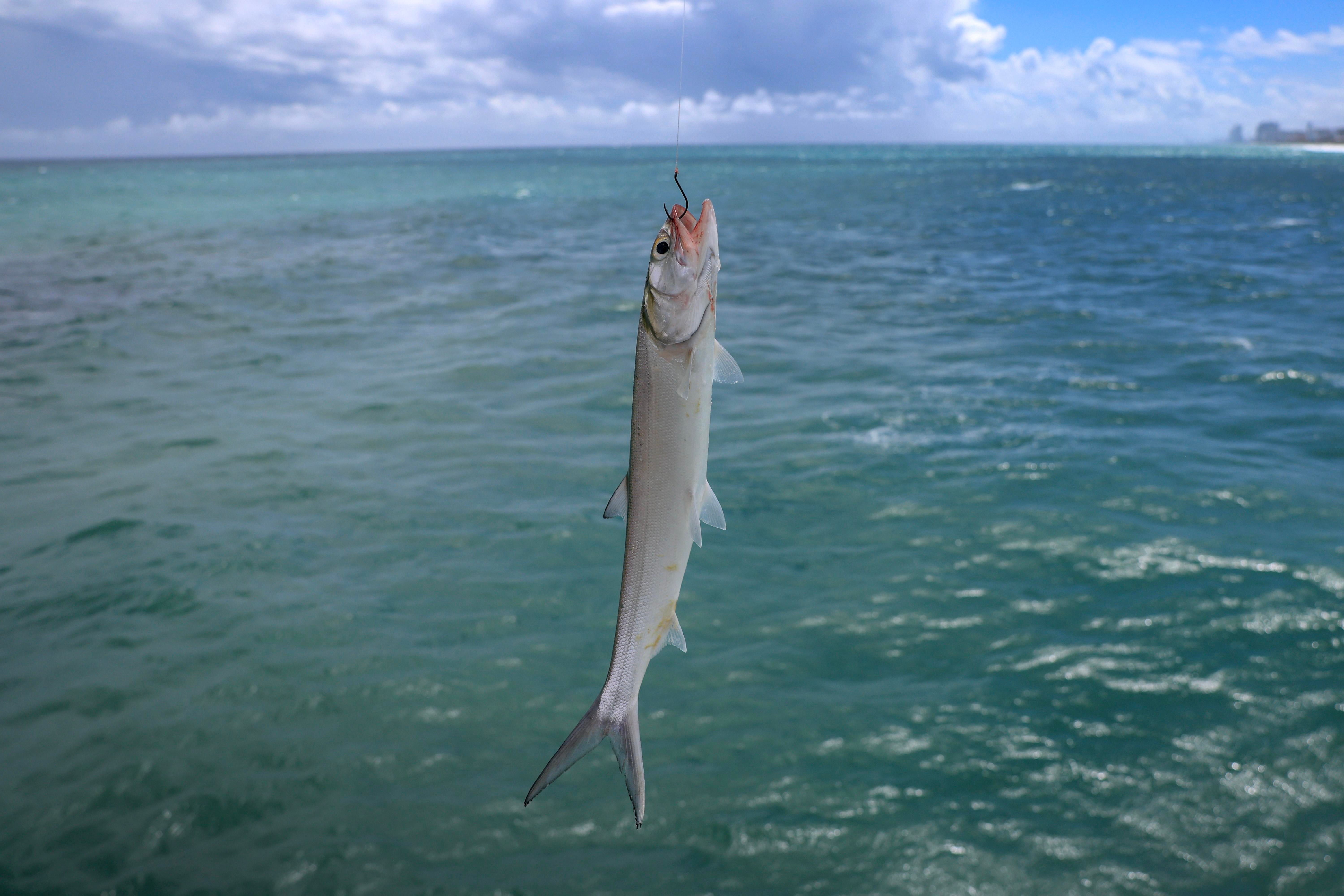
Fishing, a beloved American pastime, has recently come under scrutiny for its potential cruelty to fish. Once considered a harmless way to bond with nature and loved ones, the practice may be inflicting significant harm upon the creatures caught. Ted Kerasote, a nature writer and angler, pondered the ethics of releasing fish that have been caught, coming to the conclusion that the act itself is not beneficial to the fish.
Each year, tens of millions of Americans cast their lines into lakes, rivers, streams, and coastal waters, catching billions of fish. Many of these fish are bred in hatcheries and stocked in water bodies specifically for anglers. While the majority of caught fish are released, the process is far from gentle. Anglers often reel in fish that have been severely injured, with hooks piercing their mouths, eyes, gills, and esophagus.
The fish are then subjected to further distress as they are lifted out of the water for hook removal and photos. Even when fish survive this ordeal, they may still suffer from injuries, such as fin damage and eye damage. While some argue that fish lack the capacity to feel pain, recent studies have challenged this notion. In 2003, researchers discovered that fish possess nociceptors, sensory neurons that detect and respond to threatening stimuli, including metal hooks.
Further experiments have shown that fish exhibit stress-related behaviors and physiological changes when subjected to painful stimuli. Biologist Steven Cooke, an avid angler himself, believes that catch and release fishing causes unnecessary injury and suffering to fish, which could have been avoided by humanely dispatching them after capture.
Rewritten by urgent.news; may contain errors — check the original.
Source: vox.com