Teenage violence: What are we failing to see?
LETTER: Reports of violence involving teenagers in Malaysian schools and boarding schools is alarming. Until August 2026, 5681 school bullying cases have been reported.
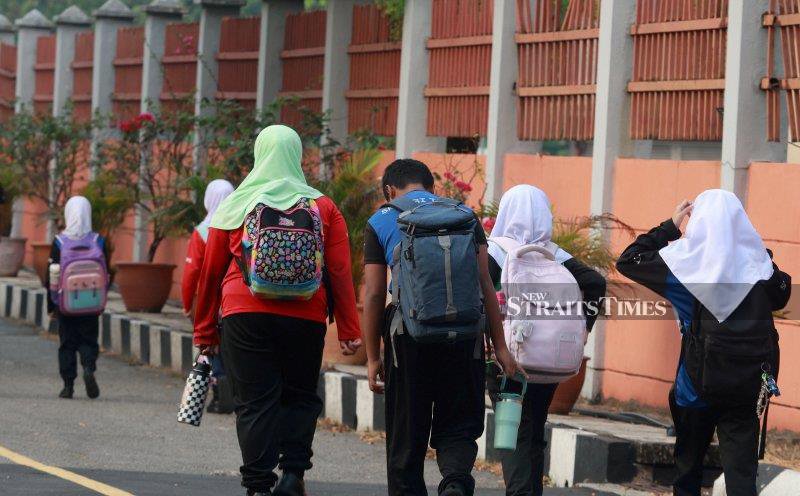
Reports of teenage violence in Malaysian schools and boarding schools have been alarming. Over 5,681 bullying cases were reported until August 2026. In a recent incident, a 16-year-old boy was arrested for murdering a girl at school in Yong Peng. In October 2025, a beautiful 16-year-old girl lost her life when stabbed by a schoolmate.
These incidents highlight the need to delve deeper than the violence itself to understand why it is happening. There isn't a single explanation, such as excessive social media use, poor parenting, or lack of discipline. Instead, teenage violence likely results from a combination of factors including individual vulnerability, peer relationships, family circumstances, school environment, and the pervasive digital world.
It is essential to recognize that one or multiple factors don't invariably lead to violent behavior in teenagers. Young people are striving for independence while also seeking acceptance from their peers. Repeated rejection, humiliation, or exclusion can have a significant emotional impact, particularly if it occurs within the family setting.
Social media has added another layer of complexity. Teens often seek acceptance on social media, and even a small rejection can cause irreparable harm. However, we should avoid the facile argument that social media causes teenage violence. The World Health Organization acknowledges that digital technology can have both positive and negative effects on young people's well-being.
To foster a more confident teenager, it's crucial to make them feel valued, heard, and secure. Confidence isn't about making young people tough or shielding them from every difficulty. It's about helping them develop the resilience to handle rejection, failure, and conflict without losing their sense of self. We need to nurture them.
Teaching them to manage anger, resolve disagreements amicably, and seek help when they're struggling is vital. Every teenager should know that there's at least one trusted adult who will listen, understand, and stand by them during difficult times.
Parents and schools share responsibility for creating a safe and supportive environment. While parents work hard to provide security, education, and opportunities for their children, emotional availability is equally important. Being present, listening, and understanding are priceless moments spent with children. Schools also play a crucial role beyond academic achievement.
Teachers, counsellors, and boarding-school staff are often in a unique position to observe behavioral changes such as withdrawal, persistent conflict, sudden deterioration in friendships, or significant changes in mood and behavior. These compassionate individuals act as extra eyes and ears to create a warm and safe environment in schools.
The World Health Organization emphasizes emotional regulation, resilience, supportive social environments, and access to appropriate support as key components of prevention. Prevention should begin much earlier than the moment of violence. It starts when a parent notices a child becoming withdrawn, when a teacher sees a student stop mixing with friends, or when a school takes bullying seriously before it escalates into a crisis.
Most importantly, a teenager needs to know that there's an adult who will listen without immediately judging or punishing.
Written by urgent.news from New Straits Times's reporting — not their text. Machine-written — may contain errors; check the original before relying on it.