هوش مصنوعی از چتبات بیرون آمد و وارد ابزارهای روزمره شد
تا همین یکدو سال پیش «کار با هوش مصنوعی» برای بیشتر ما یعنی باز کردن یک چتبات و تایپ کردن پرامپت. مدل جواب میداد، ما کپی میکردیم و در جای دیگری استفاده میکردیم؛ یک رفتوبرگشت دستی و خستهکننده. حالا این تصویر در حال عوض شدن است: هوش مصنوعی دارد مستقیم وارد ابزارهایی میشود که هر روز بازشان میکنیم — ایمیل، تقویم، سندهای کاری و پیامرسانها. بهجای اینکه ما به سراغ AI برویم، AI به سراغ محیط کار ما میآید.…
Artificial intelligence has emerged from chatbots and infiltrated everyday tools, according to recent developments. In the past, interacting with AI meant opening a chatbot and typing a prompt. The model responded, and humans copied and used it elsewhere—a simple copy-paste routine that was tedious. However, the landscape is changing.
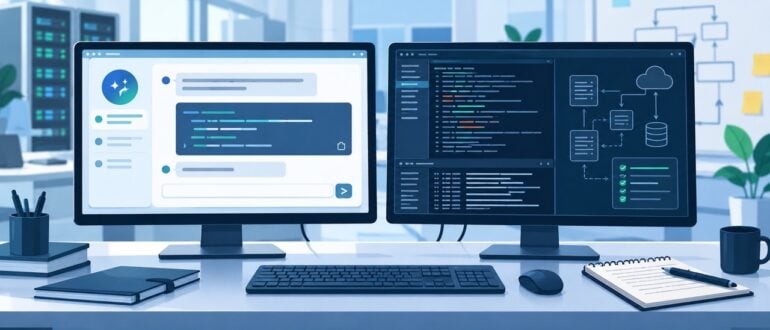
AI is now being directly integrated into tools we use daily—emails, calendars, work documents, and newsletters. Instead of seeking AI, AI is now seeking out our work environments. This makes sense as the real value of language models lies in their contextual awareness: your emails, files, and calendar. Within the same tool, the model understands what you're discussing, eliminating the need to explain repeatedly.
A prime example of this trend is Claude joining Google Workspace, where the AI assistant is now alongside Gmail, Docs, and Drive. Fully articulating the implications of this shift, Claude's role in Google Workspace involves more than just providing a stronger model. It's about integrating AI deeper into everyday tools, keeping users engaged within their ecosystems.
In summary, the future of artificial intelligence may be less like a separate website and more like an invisible layer embedded within all our tools—an evolution just beginning.
Written by urgent.news from Dev.to's reporting — not their text. Machine-written — may contain errors; check the original before relying on it.