Sports Bill: Where does ministerial power stop?
The new law strengthens the minister and sports commissioner, but leaves a crucial question over where regulatory power should stop.
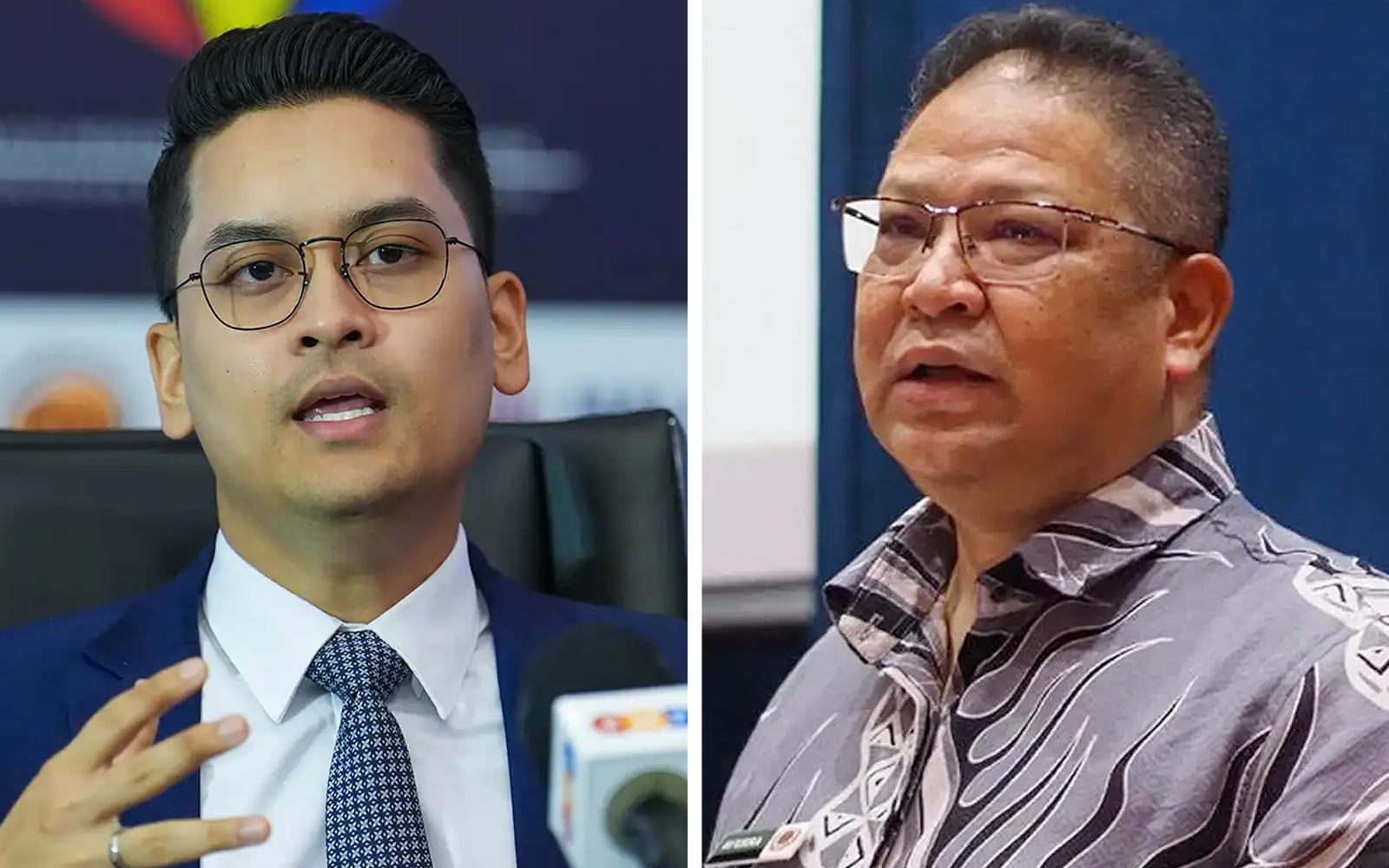
The Sports Development (Amendment) Bill 2026 has sparked debate over the extent of ministerial power granted to the youth and sports minister. While the Bill aims to strengthen sports governance, concerns have been raised about the potential for the minister to exercise sweeping authority over sports bodies. Section 41A of the Bill allows the minister to declare a sports body unlawful if it is used for purposes harmful to national security, public order, or morality.
The minister would then cancel the registration of the sports body after consultation with the sports commissioner. The minister, Dr Taufiq Johari, has emphasized that this provision is not a blank cheque and that disagreement with the government or internal disputes would not, by themselves, justify action. However, critics argue that the provision still relies on existing laws and is subject to judicial review.
The sports commissioner, who is appointed by the minister, plays a crucial role in regulating sports bodies. Under the Bill, registered sports bodies would need the commissioner's approval for changes to their name, address, or constitution. The commissioner also has the power to direct amendments to bring a constitution into line with the law.
This creates a structure where both the minister and the commissioner have significant authority over sports bodies, with little clear separation between them. While the commissioner's role is intended to be stronger, the minister retains the power to take the most serious actions against a sports body. This raises the question of who should ultimately regulate Malaysian sport – the political ministry or an independent sporting regulator?
One possible solution could be to make the sports commissioner more institutionally independent from the minister, with clearer safeguards around appointments, tenure, removal, and appeals. Another important aspect to examine is the potential implications of Section 41A. Deregistration of a sports body can have far-reaching consequences, including the vesting of assets in the director-general of insolvency and the potential for the body to be wound up and its debts settled.
While such drastic measures may be necessary in extreme cases, Parliament should ensure that the limits of this power are clearly defined in law. Issues such as the threshold for deregistration, the evidence required, and the opportunity for a sports body to defend itself against allegations need to be addressed to prevent arbitrary enforcement.
The football citizenship scandal highlighted during the debate underscores the importance of scrutinizing the broader governance issues in Malaysian sport, rather than solely focusing on the power of the minister. The government's commitment to better governance and accountability in sport is commendable, but the effectiveness of the new structure will ultimately depend on how well it balances the power of the minister and the independence of the sports commissioner.
Rewritten by urgent.news; may contain errors — check the original.
This story
This is one outlet's version. Read the fullest account.
- Sports Bill: Where does ministerial power stop? freemalaysiatoday.com