Sjekk hva statsbudsjettet betyr for deg
Gode og dårlige nyheter for din lommebok!
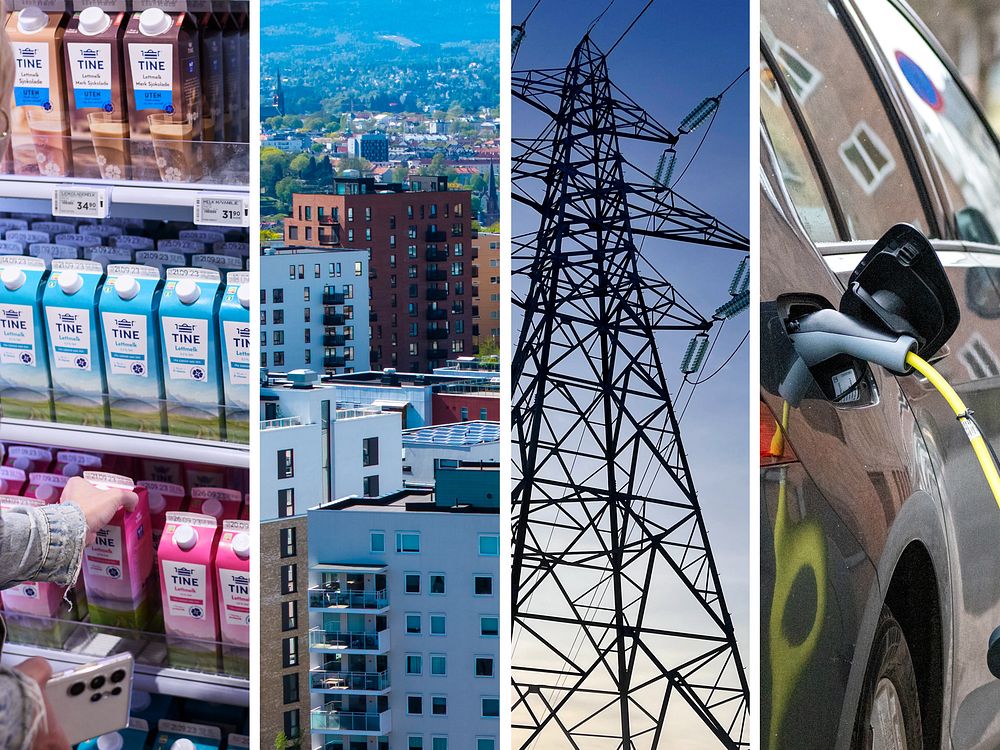
The Norwegian government has unveiled its proposed budget for 2027, aiming to address the country's financial landscape. The government, led by Finance Minister Jens Stoltenberg from the Norwegian Labour Party (Ap), has presented a proposal that could significantly impact individuals' finances. However, it is not guaranteed that the government's proposal will be approved as it stands; it must first be debated by the Storting (Norwegian Parliament), where the Labour Party will need to negotiate with other parties.
The proposed budget emphasizes the importance of controlling inflation, with the goal of keeping annual price increases around 2%. However, in recent years, prices have risen much more than this target. If the government spends too much money, it may lead to higher prices, negating any financial benefits. This is why the government is trying to keep expenditures under control.
The government anticipates that prices in 2027 will increase by 2.7%, which is higher than the inflation target. Most wages in Norway are determined through negotiations, but politics can influence these negotiations. Consequently, inflation and wage growth are closely linked. For ordinary wage earners, the best outcome would be for wages to increase more than prices, giving them greater purchasing power.
The Norwegian Central Bank (Norges Bank) sets the country's interest rate, which directly affects the interest rates banks offer to customers. The Bank's mission is to maintain inflation at around 2%. As long as price increases exceed this target, the Bank is likely to maintain high interest rates.
Written by urgent.news from E24 Norway's reporting — not their text. Machine-written — may contain errors; check the original before relying on it.