Sitzung im Kanzleramt: Koalition ringt nach Wahl-Schock um Reformen
Union und SPD wollen sich im Koalitionsausschuss über das weitere Vorgehen im Reformprozess verständigen. Aber auch die Nachwehen der Landtagswahlen werden eine Rolle spielen.
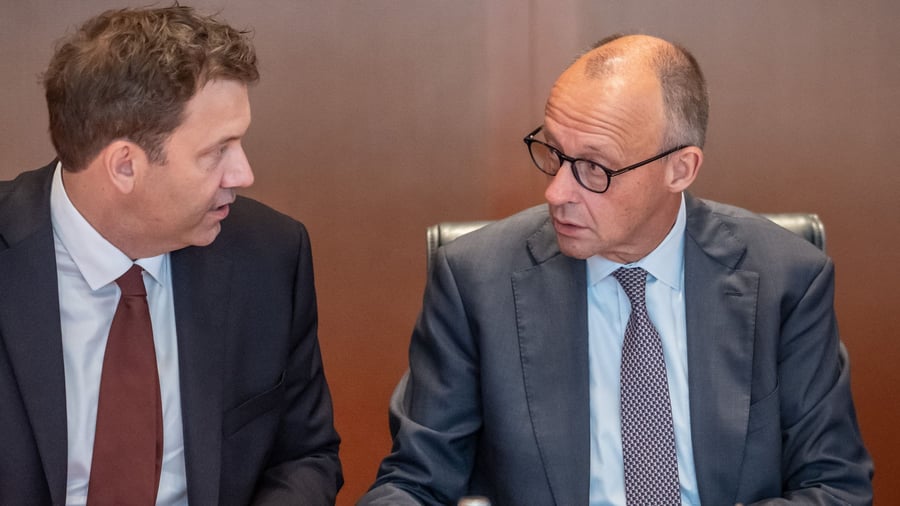
The coalition government is struggling to agree on reforms following the shock of the state elections. The Union and SPD leaders met at the Chancellery to discuss the next steps for their reform package, which includes changes to pensions, taxes, care and the labor market. However, no concrete decisions were expected on contentious projects.
Instead, they aimed to finalize a timeline for implementing the July decisions on pensions, taxes, and the labor market by the end of the year. The election shock overshadowed the meeting, particularly in Saxony-Anhalt where an AfD politician was elected as Landtag president in a secret vote, suspected of receiving support from the CDU.
This has led to unrest within the SPD, with the Bundestag faction staging a protest against cooperation with the AfD in front of the Bebelplatz, the site of Nazi book burnings. The SPD accused the government of not learning from history and repeating it. In the Union, there was anger over the possibility of a coalition with the left in Berlin, which the Union views as anti-Semitic and left-extremist.
The CSU's Alexander Hoffmann warned the SPD to hold itself accountable to the coalition partner's "constitutionally hostile" and "democratic hostile" stance. The Union and SPD are also debating whether to take content-related consequences from the state elections, with the SPD demanding changes to the reform package and the Union sticking to its original plan.
Some key issues up for discussion include the implementation of tax increases, such as higher taxes on sugary drinks, tobacco, plastic, and cryptocurrency, as well as stricter tax measures. The Union opposes these measures, claiming the Chancellery is slowing down the zinc tax draft. Meanwhile, the SPD feels betrayed if all tax increases are consistently rejected, demanding an explanation of how the budget will be funded.
Additionally, the debate focuses on the pension reform, with the Union expecting the government to quickly present its pension reform proposal. However, Chancellor Friedrich Merz and the Union want to continue with the current plan. The pension reform's key point, abolishing the former pension without deductions after 45 years of contributions, is a point of contention, particularly for the SPD's election winner in Mecklenburg-Vorpommern.
Written by urgent.news from Handelsblatt's reporting — not their text. Machine-written — may contain errors; check the original before relying on it.