SC bars forced conversion of dissolution pleas into khula
Recognises 'shiqaq' as independent ground for dissolution where serious marital rupture persists
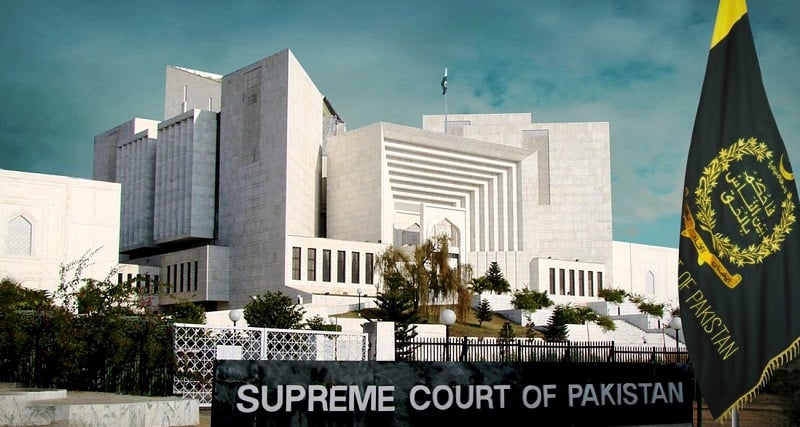
The Supreme Court has ruled that family courts cannot convert a woman's plea for dissolution of marriage into a decree of khula without her explicit and voluntary consent, as doing so could unlawfully strip her of her right to dower. In a five-member bench decision, the court held that when a marriage has become irretrievably broken, it can be dissolved on the grounds of irreconcilable discord, known as shiqaq, under Section 2(ix) of the Dissolution of Muslim Marriages Act, 1939.
The bench's ruling was made while deciding cases concerning Zainab Bibi and Iram Naz Begum, both of whom had sought dissolution on the grounds of cruelty but could not be released from their dower rights. The court stressed that neither spouse should be deprived of lawful rights or burdened with a stigma without a solid legal foundation and evidence.
The court emphasized the distinction between statutory dissolution based on cruelty and khula, a separate right allowing a woman to release herself from the marital bond when further cohabitation becomes intolerable. The judgment cited earlier cases, such as Khurshid Bibi, Saima Khan, and Dr Faryal Maqsood, to support its position that a dissolution claim does not automatically convert into khula without the woman's clear and voluntary election.
The court also highlighted the financial implications of the distinction, noting that Section 5 of the Act preserves a woman's right to dower when her marriage is dissolved under the Act, while khula typically involves the surrender or return of the wife's benefit. The bench did not dismiss the dissolution cases outright, examining whether another legal ground existed based on the available evidence.
They focused on Section 2(ix), which permits dissolution on any other valid ground recognized under Muslim law. The court found that shiqaq, meaning a serious and ongoing discord or rupture between spouses, could meet this residuary provision if its factual requirements were met and reconciliation had failed. Although the court acknowledged that shiqaq should not be confused with every marital disagreement or incompatibility, it stressed that when genuine, serious, and continuing rupture occurs, and reconciliation efforts have failed, shiqaq could be recognized under Muslim law.
Rewritten by urgent.news; may contain errors — check the original.